




Pretty!
"I was a bit unsure on this plant but its really pretty and looks great."


At Plants for all Seasons, we stand behind the quality and vitality of every plant we deliver, which is why we proudly offer a Live Delivery Guarantee. This commitment means that we guarantee your plants will arrive at your doorstep in healthy, thriving condition. We understand the importance of receiving your plants in the best possible state, ready to enhance your space from the moment they arrive. With Plants for all Seasons's Live Delivery Guarantee, you can shop with complete peace of mind, knowing that your green investments are protected from our nursery to your doorstep.

Due to the sensitive and breakable nature of our products, it's understandable that damages may occur despite our meticulous packaging methods. If you find that your plant or pot has arrived in a less than satisfactory condition, please reach out to us at hello@plantsforallseasons.co.uk within a month of your delivery date. When contacting us, please provide your order reference, alongside a photo clearly showing the damaged item and its packaging, including the delivery label. We are committed to resolving such issues by offering a refund or a replacement, depending on the availability of the item in question.
We are unable to accept returns that are not related to damage because plants are inherently perishable and delicate. It's also worth noting that the plant you receive may slightly differ from the images displayed on our website. This variation is natural, given that each plant is unique and subject to seasonal growth changes.

At Plants for all Seasons, we recognise the critical role our courier partners play in ensuring the safe and secure delivery of your plants. We collaborate exclusively with leading courier services, renowned for their reliability and exceptional handling practices, to ensure your plants arrive in perfect condition. Our partners are carefully selected based on their commitment to timely deliveries and their proven track record in transporting delicate items with the utmost care.

At Plants for all Seasons, our commitment to the environment extends to every aspect of our operations, especially in how we deliver your plants. We take pride in our bespoke, eco-friendly packaging, meticulously designed for the safe transport of live plants. Our innovative packaging solutions are crafted from sustainable materials, ensuring that your plants are not only secure but also that their journey from our nursery to your home treads lightly on the earth. This thoughtful approach minimises stress on the plants and reduces waste, aligning with our mission to promote a greener, more sustainable future.
 Ask Leafy.AI
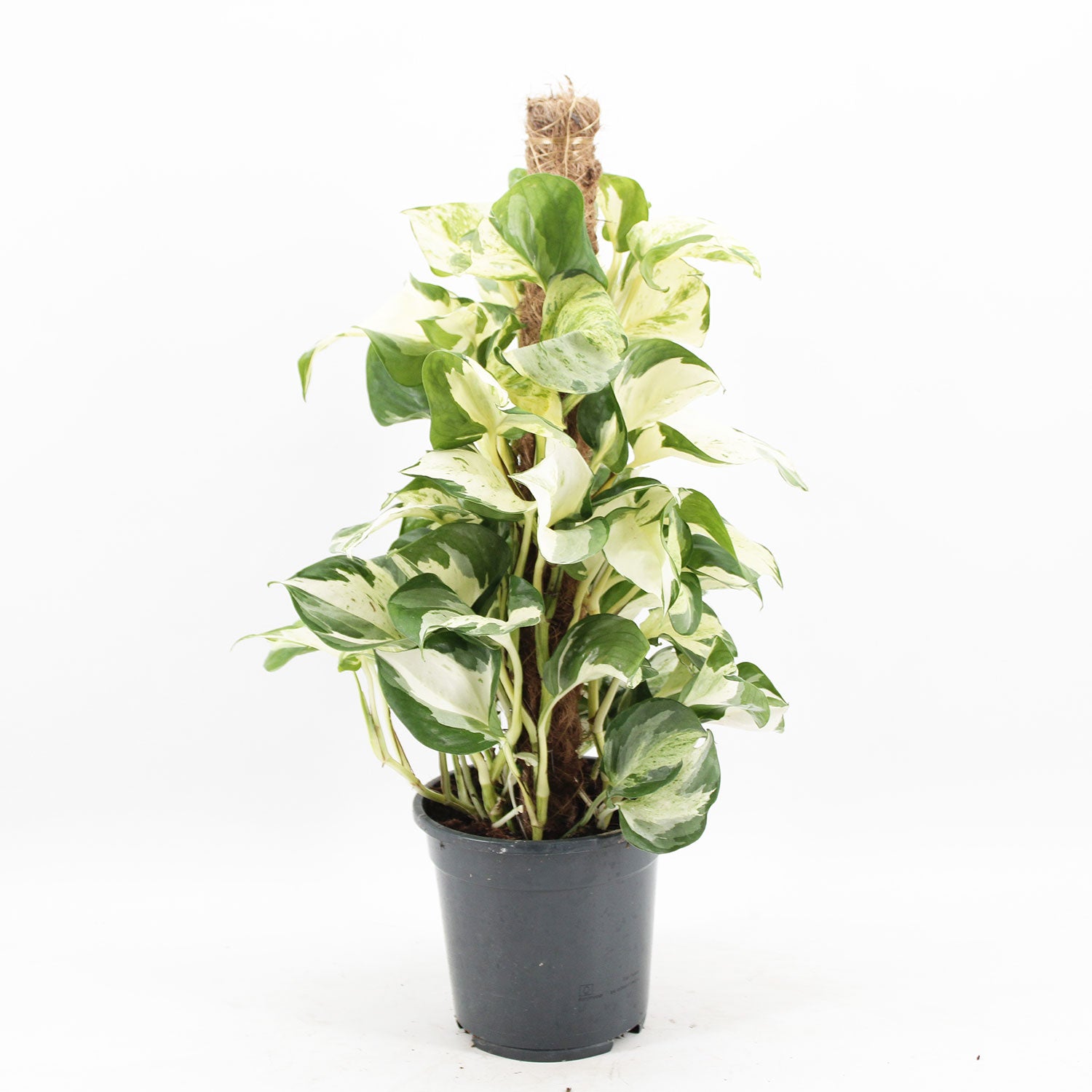
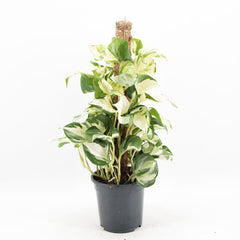
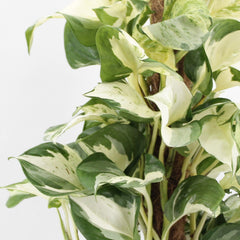
Epipremnum aureum ‘Manjula’, also known as the Manjula Pothos or Happy Leaf Pothos, is a stunning and rare cultivar of the classic Epipremnum aureum, developed at the University of Florida. It’s celebrated for its uniquely shaped leaves and beautifully marbled variegation that make every leaf look like a hand-painted work of art.
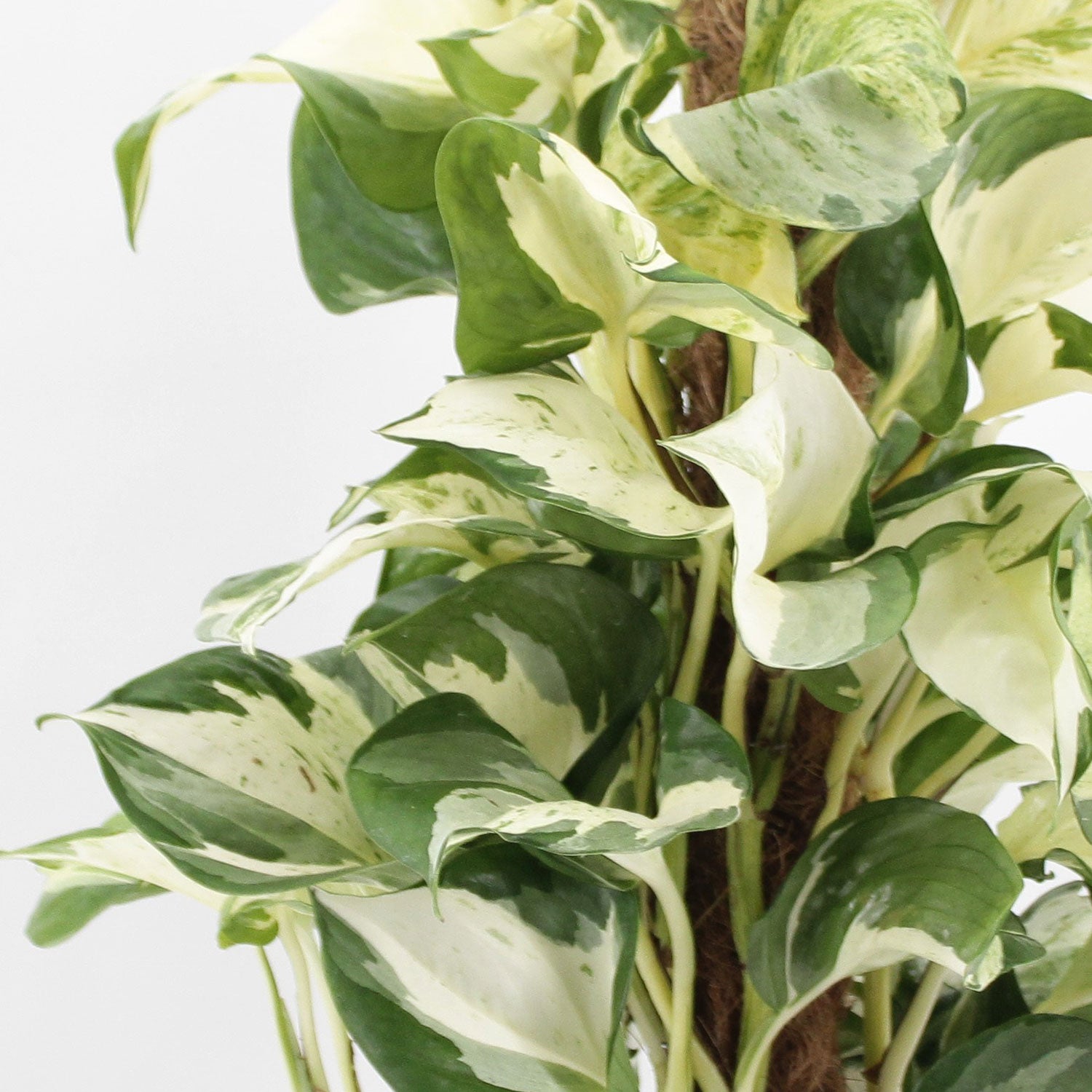
Each heart-shaped leaf features a flowing mix of cream, white, silvery-green, and chartreuse tones, splashed and swirled across a deep green base. The edges of the leaves are gently wavy, adding texture and movement to its trailing vines. Unlike some other variegated pothos varieties, ‘Manjula’ has stable variegation, ensuring each new leaf carries its own distinctive pattern.
Graceful and eye-catching, this variety brings elegance and brightness to any interior, whether grown as a hanging plant or trained vertically up a moss pole.
Thrives in bright, indirect light. Too little light may cause the variegation to fade, while strong direct sunlight can burn the pale areas of the leaves. A position near an east- or north-facing window is ideal.
Water when the top 2–3 cm of soil feels dry. Keep the soil lightly moist but never soggy. Overwatering can lead to root rot, while prolonged dryness may cause the edges of variegated leaves to brown. Reduce watering in winter.
Temperature: Prefers warmth, 18–28°C. Avoid cold draughts and temperatures below 15°C.
Humidity: Enjoys moderate to high humidity (50–70%). Mist occasionally or place near a humidifier to maintain lush foliage.
Use a chunky, free-draining aroid mix – peat-free compost combined with orchid bark, perlite, and coco coir works best. Repot every 1–2 years in spring to refresh the mix and provide room for growth.
Feed every 4–6 weeks during spring and summer with a balanced, diluted liquid fertiliser. Stop feeding in autumn and winter.
Prune vines as needed to control shape or encourage bushier growth. Remove any yellow or damaged leaves at the base. Propagate easily from stem cuttings in water or soil to create new plants.
A moderately fast-growing trailing or climbing plant that can reach 1–2 metres indoors. The wavy, marbled leaves stay compact and decorative even as the plant matures.
Loss of variegation: Insufficient light.
Yellowing leaves: Overwatering or poor drainage.
Brown tips: Low humidity or inconsistent watering.
Pests: Occasionally mealybugs or spider mites.
Developed at the University of Florida, Epipremnum ‘Manjula’ is one of the most decorative pothos cultivars ever created. Its unique blend of colours and rippled leaf edges set it apart from similar varieties like ‘Marble Queen’ or ‘N’Joy’. Easy to care for and endlessly ornamental, it’s an ideal choice for both beginners and collectors who want a touch of tropical artistry in their home.
Like all pothos varieties, it’s also known for its air-purifying qualities, helping to remove toxins from indoor environments.
✅ Quick Care Summary
Light: Bright, indirect; tolerates medium light
Water: Lightly moist; allow topsoil to dry slightly
Temperature: 18–28°C; protect below 15°C
Humidity: Moderate to high (50–70%)
Soil: Chunky, free-draining aroid mix
Feed: Every 4–6 weeks in spring/summer
Growth: Trailing or climbing vine, 1–2 m; cream, green, and white marbled leaves with gently wavy edges
⚠️ Toxicity Note: Like all Epipremnum species, ‘Manjula’ is toxic if ingested. Keep out of reach of pets and children.
🌿 Styling Tip:
Display your Epipremnum ‘Manjula’ in a hanging basket where its marbled vines can cascade beautifully, or let it climb a moss pole to showcase its wavy, patterned leaves at eye level.
Overall rating: 5.0 / 5 from 2 reviews.
Review topics: [].
"I was a bit unsure on this plant but its really pretty and looks great."
"This plant and the other one I received at the same time were, as always, in impeccable condition, super healthy and absolutely stunning specimens. I cannot rate this company enough, I have bought many plants from them this year and every single one has been better than the other, some of the best specimens in my collection especially the more mature ones I have got them all from here. Can’t rate the company higher! Amazing"
ONLY
84
LEFT
🌱 FREE WITH ORDERS OVER £50

By Plants for all Seasons
A plant care expert that gives clear, friendly advice for all your houseplants and garden plants – tailored to UK conditions. Perfect for beginners and seasoned growers alike.
Terms of Use