





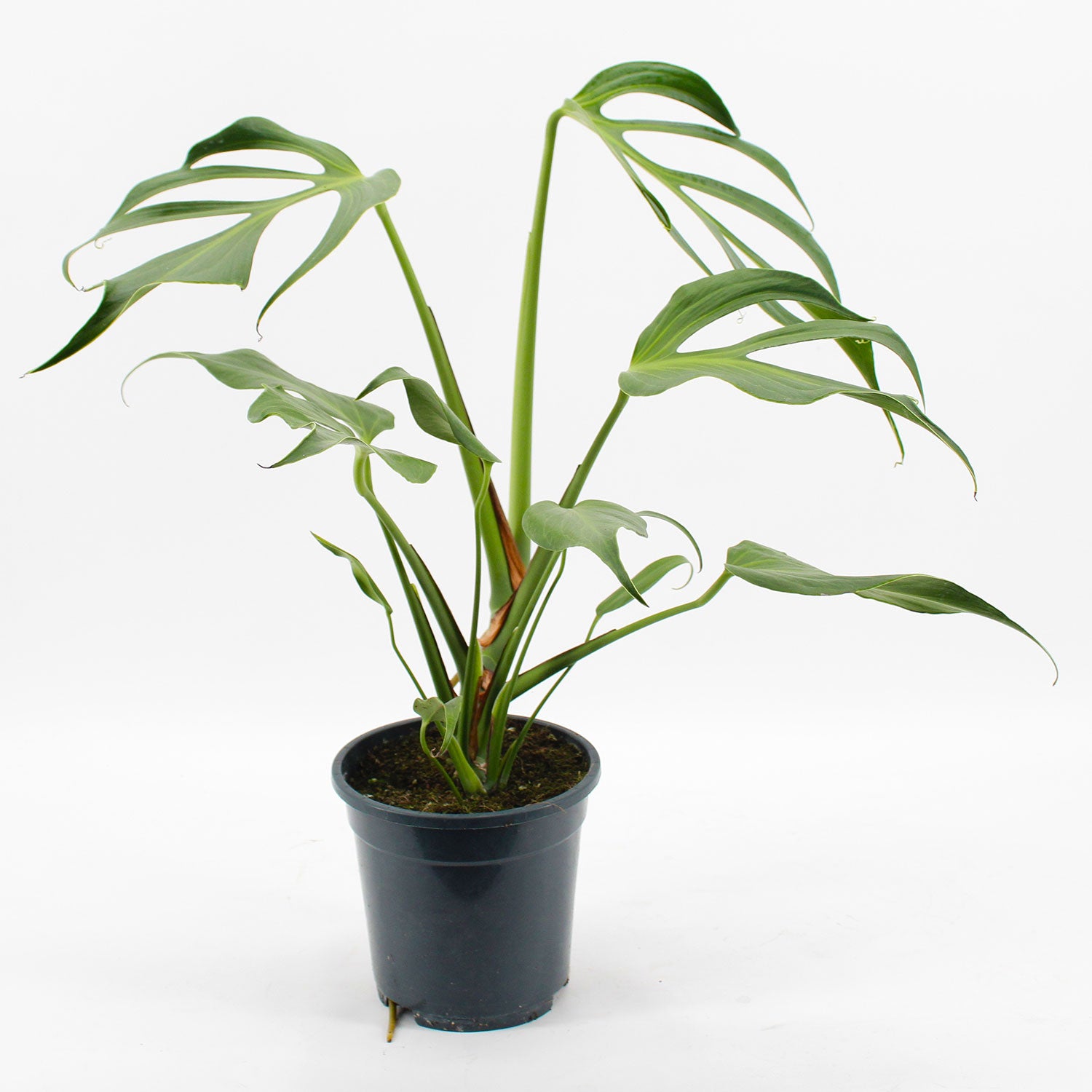
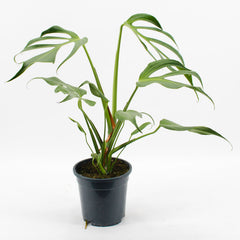
30 - 40cm Mature Monstera Burle Marx Flame 17cm Pot
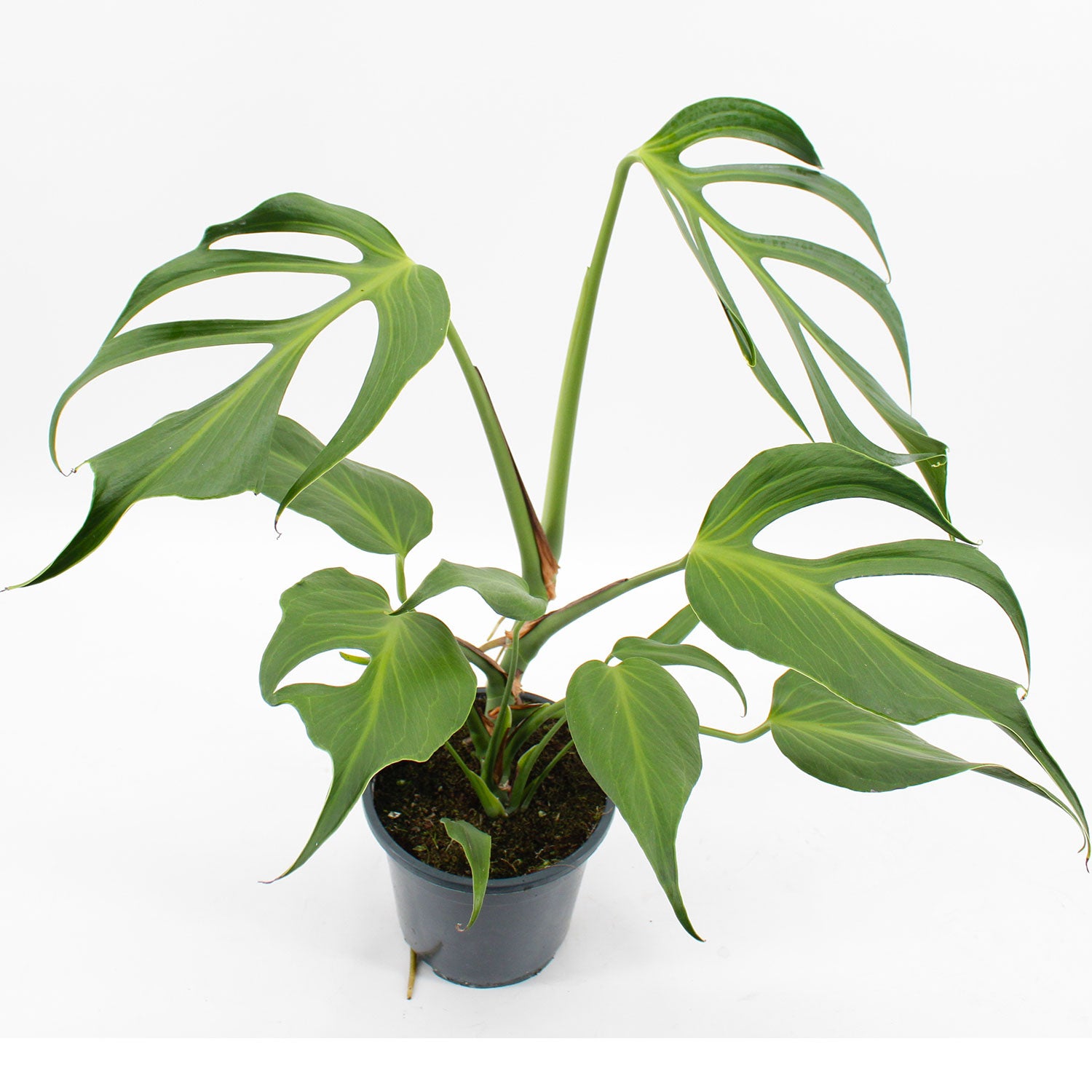
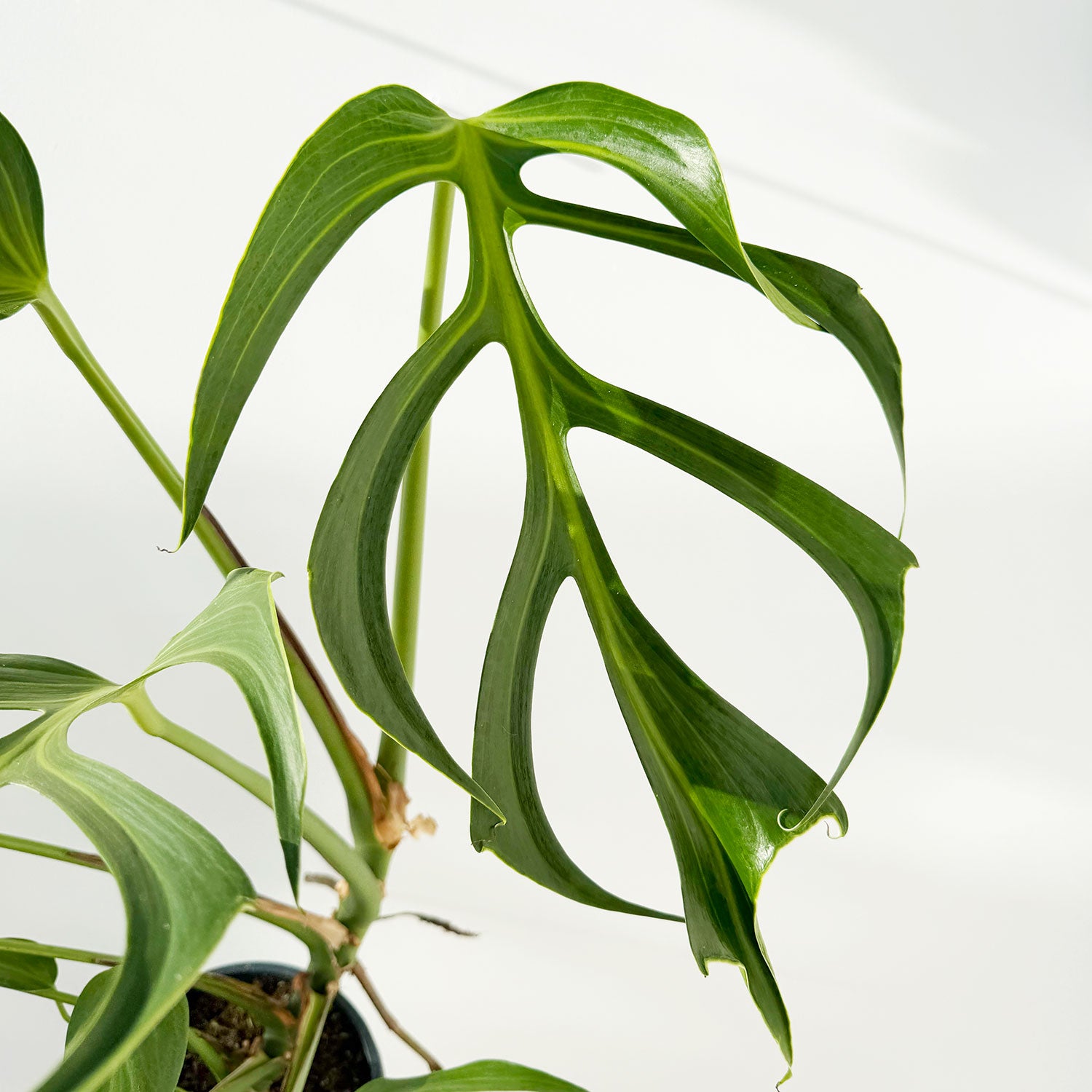
The Mature Monstera Burle Marx Flame is a spectacular collector's plant, instantly recognisable by its extraordinary deeply divided foliage. While young Burle Marx Flame plants begin life with relatively simple leaves, mature specimens develop increasingly dramatic fenestrations, with narrow sections...
- £40.00
£64.99- £40.00
- Unit price
- per

Live Delivery Guarantee
At Plants for all Seasons, we stand behind the quality and vitality of every plant we deliver, which is why we proudly offer a Live Delivery Guarantee. This commitment means that we guarantee your plants will arrive at your doorstep in healthy, thriving condition. We understand the importance of receiving your plants in the best possible state, ready to enhance your space from the moment they arrive. With Plants for all Seasons's Live Delivery Guarantee, you can shop with complete peace of mind, knowing that your green investments are protected from our nursery to your doorstep.

30 Days Returns
Due to the sensitive and breakable nature of our products, it's understandable that damages may occur despite our meticulous packaging methods. If you find that your plant or pot has arrived in a less than satisfactory condition, please reach out to us at hello@plantsforallseasons.co.uk within a month of your delivery date. When contacting us, please provide your order reference, alongside a photo clearly showing the damaged item and its packaging, including the delivery label. We are committed to resolving such issues by offering a refund or a replacement, depending on the availability of the item in question.
We are unable to accept returns that are not related to damage because plants are inherently perishable and delicate. It's also worth noting that the plant you receive may slightly differ from the images displayed on our website. This variation is natural, given that each plant is unique and subject to seasonal growth changes.

Safe and Secure Delivery
At Plants for all Seasons, we recognise the critical role our courier partners play in ensuring the safe and secure delivery of your plants. We collaborate exclusively with leading courier services, renowned for their reliability and exceptional handling practices, to ensure your plants arrive in perfect condition. Our partners are carefully selected based on their commitment to timely deliveries and their proven track record in transporting delicate items with the utmost care.

Bespoke Eco Packaging
At Plants for all Seasons, our commitment to the environment extends to every aspect of our operations, especially in how we deliver your plants. We take pride in our bespoke, eco-friendly packaging, meticulously designed for the safe transport of live plants. Our innovative packaging solutions are crafted from sustainable materials, ensuring that your plants are not only secure but also that their journey from our nursery to your home treads lightly on the earth. This thoughtful approach minimises stress on the plants and reduces waste, aligning with our mission to promote a greener, more sustainable future.
🚚 Delivered in 2–3 working days
£6.99 delivery — add as many plants as you like for one delivery fee.

 Ask Leafy.AI
The Mature Monstera Burle Marx Flame is a spectacular collector's plant, instantly recognisable by its extraordinary deeply divided foliage. While young Burle Marx Flame plants begin life with relatively simple leaves, mature specimens develop increasingly dramatic fenestrations, with narrow sections of foliage extending from the central midrib to create the distinctive flame-like appearance that gives this Monstera its name.
At maturity, the transformation is remarkable. The leaves become elongated and highly dissected, with deep cuts reaching towards the midrib and creating an almost skeletal, architectural appearance. The foliage is a rich green with a thicker, firmer texture than many familiar Monstera varieties.
Named after renowned Brazilian landscape architect and plant collector Roberto Burle Marx, the Burle Marx Flame has long been considered one of the more unusual and desirable Monsteras in cultivation. Its precise botanical origins remain somewhat mysterious, adding to its reputation among serious aroid collectors.
This is a climbing Monstera, so providing a moss pole, coir pole or other sturdy vertical support is highly recommended. Allowing the plant to climb encourages stronger growth and helps it maintain the larger, increasingly dramatic foliage for which mature specimens are prized. It is naturally slower growing than many common Monsteras, making each new mature leaf particularly rewarding.
A mature Burle Marx Flame makes an exceptional statement plant. Its unusual silhouette works particularly well as a focal point in a bright room, plant room or established tropical collection, where the intricate foliage can be appreciated properly.
Please note: Each plant is a living, individual specimen, so the exact number, size and degree of fenestration of the leaves will naturally vary from plant to plant.
Light
Give your Monstera Burle Marx Flame plenty of bright, indirect light. Good light is particularly important with a mature specimen because it helps support the production and maintenance of its large, dramatically fenestrated foliage.
Position it close to a bright window where it receives plenty of natural light without being exposed to prolonged harsh midday or afternoon sun. A small amount of gentle morning or evening sunlight is generally well tolerated.
In lower-light conditions the plant may continue to survive, but growth can slow considerably and subsequent leaves may be smaller or less dramatically divided. A suitable grow light can be particularly useful during the darker UK autumn and winter months.
Watering
Allow the upper 3–5cm of the potting mix to dry before watering again. Check the compost with your finger rather than watering according to a fixed weekly schedule, as the amount of water the plant uses will change depending on light levels, temperature, pot size and the season.
When watering, thoroughly soak the growing medium until excess water drains freely from the bottom of the pot. Allow it to drain completely and never leave the plant standing in water.
Reduce watering during autumn and winter when temperatures and light levels fall and the plant is growing more slowly.
Signs of overwatering can include:
- Yellowing leaves
- Persistently wet compost
- Soft or deteriorating roots
- A decline in otherwise healthy foliage
Signs that the plant may be too dry can include:
- Drooping or curling foliage
- Dry, crispy leaf edges
- Very dry compost pulling away from the pot
Good drainage is especially important. Burle Marx Flame is much more forgiving of becoming slightly dry than remaining constantly waterlogged.
Humidity
Burle Marx Flame appreciates moderate to high humidity, with approximately 60% or above providing excellent growing conditions. It can adapt to normal household conditions, but maintaining higher humidity can help support healthy foliage and reduce dry or crispy leaf edges.
For a mature plant, a humidifier is generally the most effective way of maintaining consistent humidity if your home is particularly dry.
Good airflow remains important alongside humidity. Avoid keeping the plant permanently damp or positioning it in a stagnant environment.
Temperature
Keep your Burle Marx Flame somewhere warm and relatively stable. An indoor temperature of approximately 18–27°C is ideal.
Protect it from cold draughts, sudden temperature changes and direct heat from radiators or heaters. Avoid allowing temperatures to fall below approximately 15°C for extended periods.
During winter, take particular care with plants positioned directly beside windows, where overnight temperatures can be significantly colder than the rest of the room.
Soil
A mature Burle Marx Flame needs an airy, free-draining aroid mix that provides a balance between moisture retention and excellent root aeration.
A suitable mixture can contain:
- Houseplant compost or coco coir
- Orchid bark
- Perlite or pumice
- A small amount of horticultural charcoal or similar coarse material
The finished mixture should feel loose and chunky rather than dense and compacted. Water should pass through it readily while enough moisture remains around the roots for the plant to absorb.
Always use a pot with adequate drainage holes.
Climbing Support
Providing support is particularly important for a mature Burle Marx Flame.
This is naturally a climbing Monstera and will benefit enormously from a sturdy moss pole, coir pole or similar vertical support. Secure the main stem gently to the support and encourage aerial roots towards it.
Allowing the plant to climb gives it a more natural growth habit and can help encourage increasingly impressive mature foliage.
Avoid repeatedly removing aerial roots unless necessary. Where possible, guide them towards the support or growing medium.
Feeding
Feed regularly during the active growing season, usually spring through to early autumn.
A balanced liquid houseplant or foliage fertiliser can be applied approximately every 4–6 weeks, following the manufacturer's recommended dilution rate. Reduce or stop feeding during winter if the plant's growth slows significantly.
Avoid applying excessive fertiliser in an attempt to speed up growth. Burle Marx Flame is naturally relatively slow growing, and excessive feeding can lead to a build-up of fertiliser salts around the roots.
Repotting
Mature specimens don't need to be repotted simply because a certain amount of time has passed. Instead, look at the condition of the root system.
Consider repotting when:
- Roots are densely circling the inside of the pot
- Large numbers of roots are emerging from the drainage holes
- Water passes through unusually quickly because the pot is almost entirely filled with roots
- Growth has slowed despite otherwise good conditions
When repotting, move up by one sensible pot size rather than placing the plant into a dramatically larger container. An oversized pot holds considerably more wet compost around the roots and can increase the risk of overwatering.
Spring and early summer are generally the best times to repot.
Leaf Care
Those spectacular mature leaves have a large surface area and can gradually collect dust.
Gently wipe both sides of the foliage periodically using a soft, damp cloth. Keeping the leaves clean allows you to appreciate their intricate shape while also making it easier to spot pests before an infestation becomes established.
Take particular care when moving or cleaning a mature plant. The narrow sections of highly fenestrated leaves can be easier to damage than the solid leaves of juvenile plants.
Pruning
Very little routine pruning is required.
Remove individual leaves once they have completely yellowed or become badly damaged, cutting them cleanly with sterilised secateurs.
If the plant becomes too tall for its space, the main climbing stem can be cut back. However, because Burle Marx Flame is comparatively slow growing, consider carefully before removing established mature growth.
Common Problems
Yellow leaves
Frequently associated with excessive watering, particularly when the compost remains wet for extended periods. Check the root zone and allow the growing medium to dry appropriately between waterings.
Brown or crispy leaf edges
Can indicate low humidity, inconsistent watering or excessive fertiliser salts.
Small or less fenestrated new leaves
Check light levels and climbing support. Insufficient light or allowing the plant to trail rather than climb can limit mature leaf development.
Very slow growth
Some patience is normal – Burle Marx Flame is naturally slower growing than many commonly available Monsteras. However, extremely slow or stalled growth can also result from insufficient light, low temperatures or problems with the root system.
Pests
Keep an eye out for common houseplant pests including:
- Spider mites
- Thrips
- Mealybugs
- Scale insects
Regularly inspect the undersides of the leaves, stems and new growth. Isolating and treating an affected plant early is considerably easier than dealing with a well-established infestation.
Toxicity
Like other Monsteras, Burle Marx Flame should not be eaten. The plant contains calcium oxalate crystals which can cause irritation if chewed or ingested.
Keep it away from pets and young children who are likely to chew plants, and consider wearing gloves when pruning or handling cut stems if you have sensitive skin.
Mature Burle Marx Flame Care at a Glance
Light: Bright, indirect light
Water: Allow the upper 3–5cm of soil to dry before watering thoroughly
Humidity: Prefers 60%+
Temperature: Ideally around 18–27°C
Soil: Chunky, airy and free-draining aroid mix
Feeding: Every 4–6 weeks during active growth
Growth habit: Climbing
Support: Moss pole or sturdy climbing support highly recommended
Growth rate: Slow to moderate
Difficulty: Intermediate
Pet safe: No
At Plants for all Seasons, we take pride in our eco-friendly approach to packaging. Our custom-made plant boxes are designed with both the environment and your plants' wellbeing in mind. Here’s what makes our packaging special:
Upright and Fresh: Our innovative design ensures that your plants remain upright and fresh during transit. Specially engineered compartments and supports within the box prevent movement and damage, so your plants arrive in perfect condition.
100% Recyclable: Our plant boxes are fully recyclable, ensuring that after they have served their purpose, they can be responsibly disposed of without harming the planet.
Made from Recycled Materials: Sustainability is at the core of our values. That’s why our packaging is crafted from recycled materials, reducing waste and promoting a circular economy.
Winter Shipping: We offer additional heat packs in winter to keep your plants nice and warm on their travels. Add one heat pack per plant when checking out in winter months.
By choosing our products, you are not only enhancing your home with beautiful plants but also contributing to a greener, more sustainable future
Check out our YouTube video to see exactly how we pack for safe delivery.
Upright and Fresh: Our innovative design ensures that your plants remain upright and fresh during transit. Specially engineered compartments and supports within the box prevent movement and damage, so your plants arrive in perfect condition.
100% Recyclable: Our plant boxes are fully recyclable, ensuring that after they have served their purpose, they can be responsibly disposed of without harming the planet.
Made from Recycled Materials: Sustainability is at the core of our values. That’s why our packaging is crafted from recycled materials, reducing waste and promoting a circular economy.
Winter Shipping: We offer additional heat packs in winter to keep your plants nice and warm on their travels. Add one heat pack per plant when checking out in winter months.
By choosing our products, you are not only enhancing your home with beautiful plants but also contributing to a greener, more sustainable future
Check out our YouTube video to see exactly how we pack for safe delivery.
Tropical Glasshouse Nursery: Our plants are nurtured in our tropical glasshouse nursery located in Lincolnshire, where we maintain an average temperature of 16°C. We do not use cold warehouses, ensuring optimal conditions for plant health.
Plastic Nursery Pots: All our plants are supplied in practical plastic nursery pots. If you prefer a more decorative option, we offer a range of stylish pots available for purchase separately.
Non-Consumable: Please note that our plants are intended for ornamental purposes only unless specifically stated as edible. Ensure you check product descriptions carefully if you are looking for edible varieties.
Variable Heights: The height of our plants can vary by approximately +/- 10%. This natural fluctuation ensures you receive a unique and healthy specimen. Plants are measured from the floor to the top of the plant.
Plant Pot Sizes: Pot sizes may vary by approximately +/- 1cm. To ensure a proper fit, we recommend selecting a decorative pot that is 1-2cm larger than the stated plant pot size. For instance, if you purchase a plant in a 17cm pot, a 18 - 19cm decorative pot would be ideal.
Quarantining: All our houseplants are regularly sprayed with a preventative systemic bug treatment. We do our best to ensure a bug free growing environment however sometimes these can unfortunately be missed, as such we always recommend quarantining plants when they first enter your home and checking them upon arrival for bugs.
Plastic Nursery Pots: All our plants are supplied in practical plastic nursery pots. If you prefer a more decorative option, we offer a range of stylish pots available for purchase separately.
Non-Consumable: Please note that our plants are intended for ornamental purposes only unless specifically stated as edible. Ensure you check product descriptions carefully if you are looking for edible varieties.
Variable Heights: The height of our plants can vary by approximately +/- 10%. This natural fluctuation ensures you receive a unique and healthy specimen. Plants are measured from the floor to the top of the plant.
Plant Pot Sizes: Pot sizes may vary by approximately +/- 1cm. To ensure a proper fit, we recommend selecting a decorative pot that is 1-2cm larger than the stated plant pot size. For instance, if you purchase a plant in a 17cm pot, a 18 - 19cm decorative pot would be ideal.
Quarantining: All our houseplants are regularly sprayed with a preventative systemic bug treatment. We do our best to ensure a bug free growing environment however sometimes these can unfortunately be missed, as such we always recommend quarantining plants when they first enter your home and checking them upon arrival for bugs.
