




Amazing packaging
"This survived a brutal journey in the post .the side of the box was caved in but the plants were in perfect condition because it had been packed so well !! Many thanks!"


At Plants for all Seasons, we stand behind the quality and vitality of every plant we deliver, which is why we proudly offer a Live Delivery Guarantee. This commitment means that we guarantee your plants will arrive at your doorstep in healthy, thriving condition. We understand the importance of receiving your plants in the best possible state, ready to enhance your space from the moment they arrive. With Plants for all Seasons's Live Delivery Guarantee, you can shop with complete peace of mind, knowing that your green investments are protected from our nursery to your doorstep.

Due to the sensitive and breakable nature of our products, it's understandable that damages may occur despite our meticulous packaging methods. If you find that your plant or pot has arrived in a less than satisfactory condition, please reach out to us at hello@plantsforallseasons.co.uk within a month of your delivery date. When contacting us, please provide your order reference, alongside a photo clearly showing the damaged item and its packaging, including the delivery label. We are committed to resolving such issues by offering a refund or a replacement, depending on the availability of the item in question.
We are unable to accept returns that are not related to damage because plants are inherently perishable and delicate. It's also worth noting that the plant you receive may slightly differ from the images displayed on our website. This variation is natural, given that each plant is unique and subject to seasonal growth changes.

At Plants for all Seasons, we recognise the critical role our courier partners play in ensuring the safe and secure delivery of your plants. We collaborate exclusively with leading courier services, renowned for their reliability and exceptional handling practices, to ensure your plants arrive in perfect condition. Our partners are carefully selected based on their commitment to timely deliveries and their proven track record in transporting delicate items with the utmost care.

At Plants for all Seasons, our commitment to the environment extends to every aspect of our operations, especially in how we deliver your plants. We take pride in our bespoke, eco-friendly packaging, meticulously designed for the safe transport of live plants. Our innovative packaging solutions are crafted from sustainable materials, ensuring that your plants are not only secure but also that their journey from our nursery to your home treads lightly on the earth. This thoughtful approach minimises stress on the plants and reduces waste, aligning with our mission to promote a greener, more sustainable future.
 Ask Leafy.AI
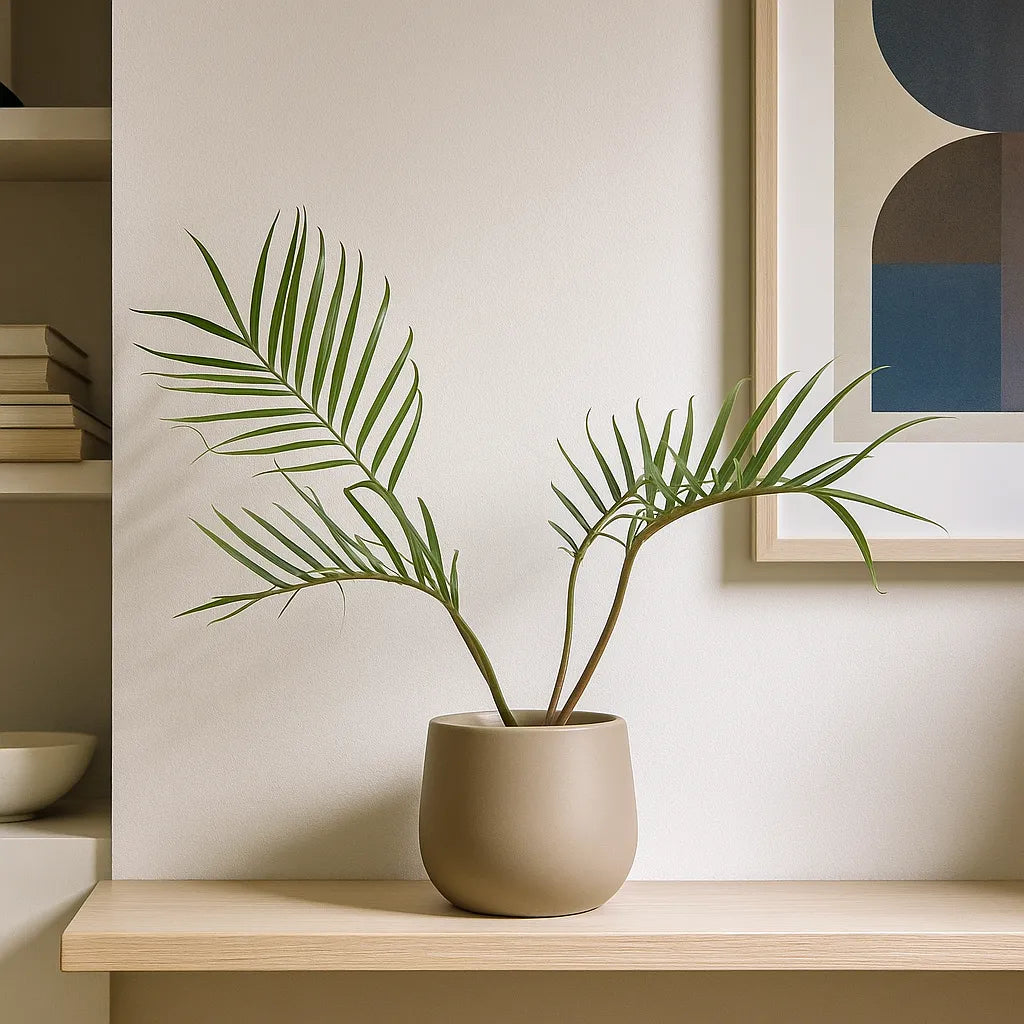
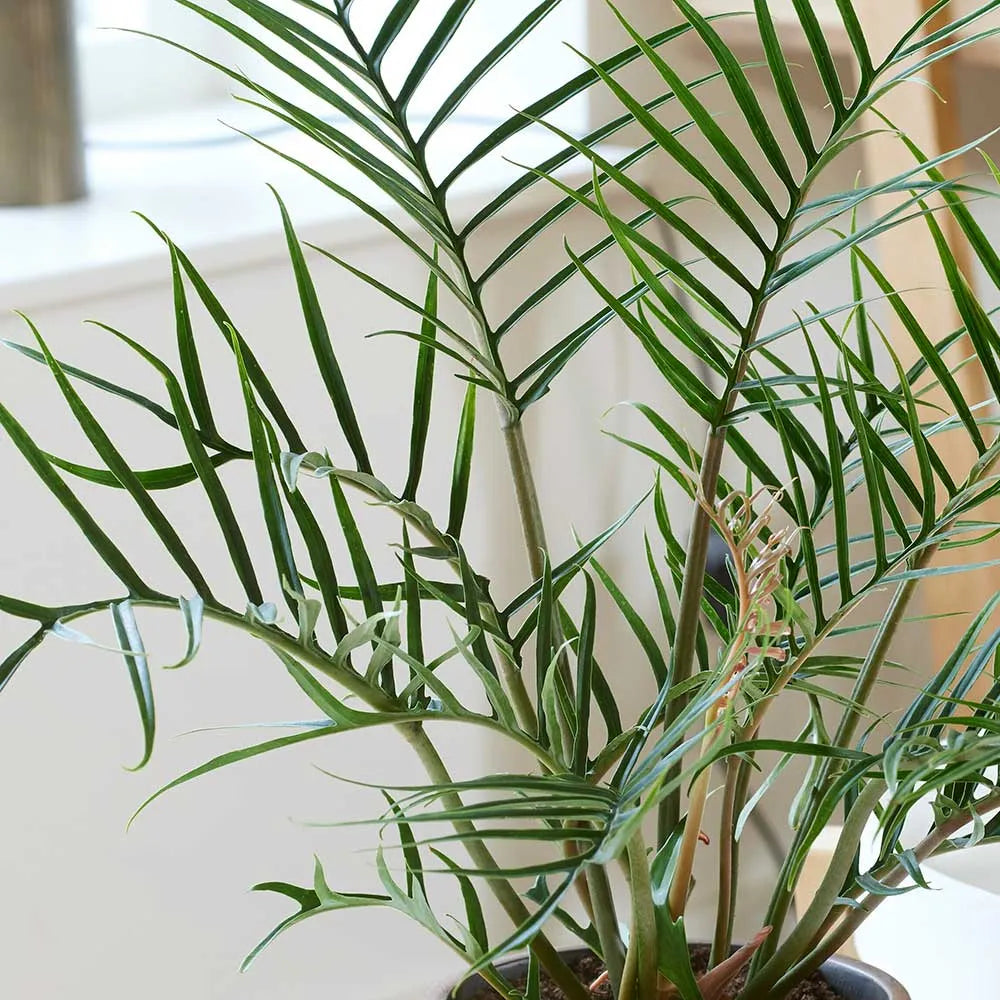
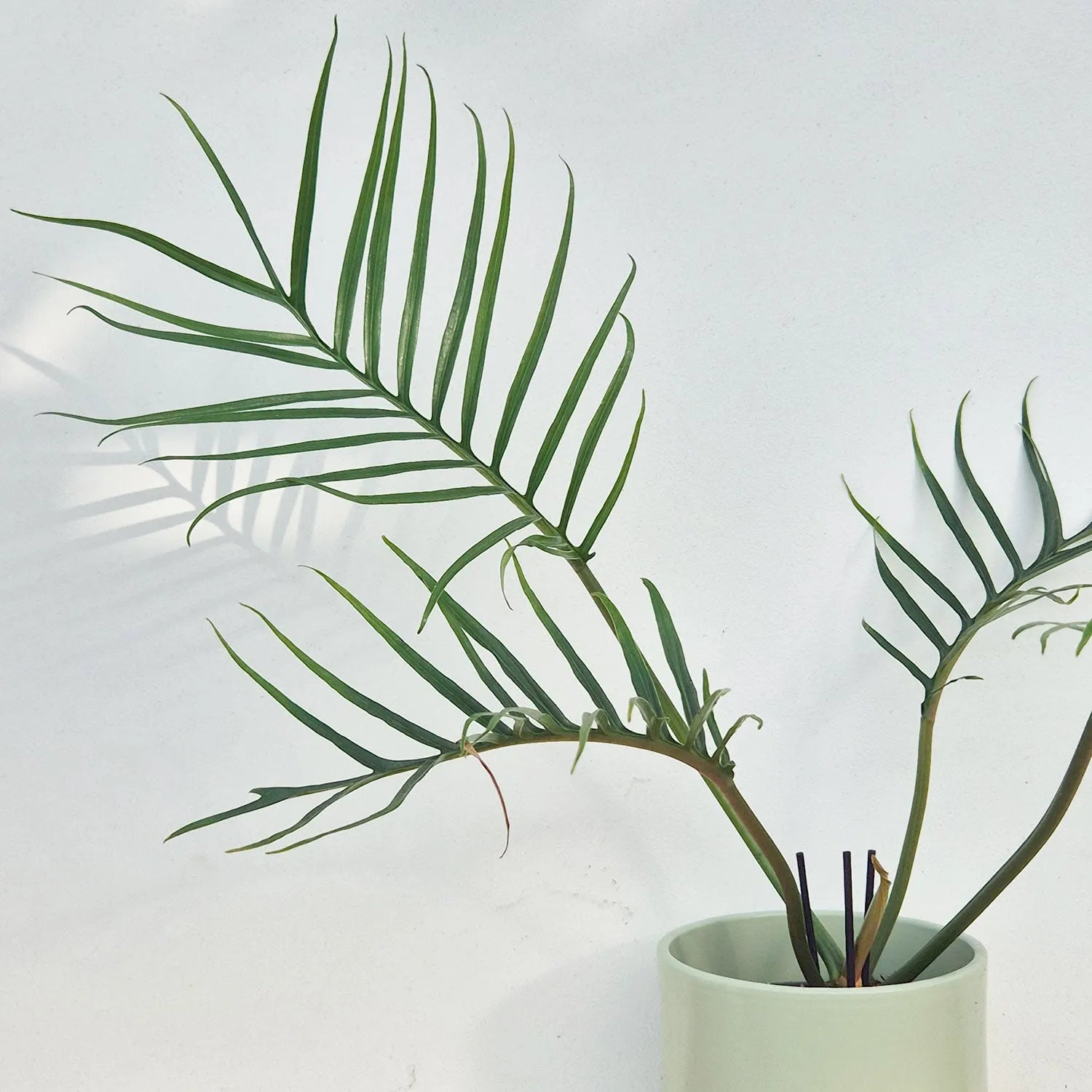
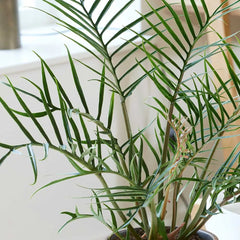
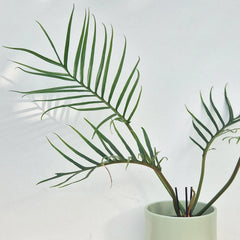
Philodendron tortum is a rare and striking tropical species known for its deeply lobed, skeletal foliage that gives it a sculptural, almost architectural elegance. Native to the tropical rainforests of northern Brazil, this climbing aroid belongs to the Araceae family and stands out for its unusual leaf shape — a dramatic departure from the broad, heart-shaped leaves typically associated with Philodendrons.
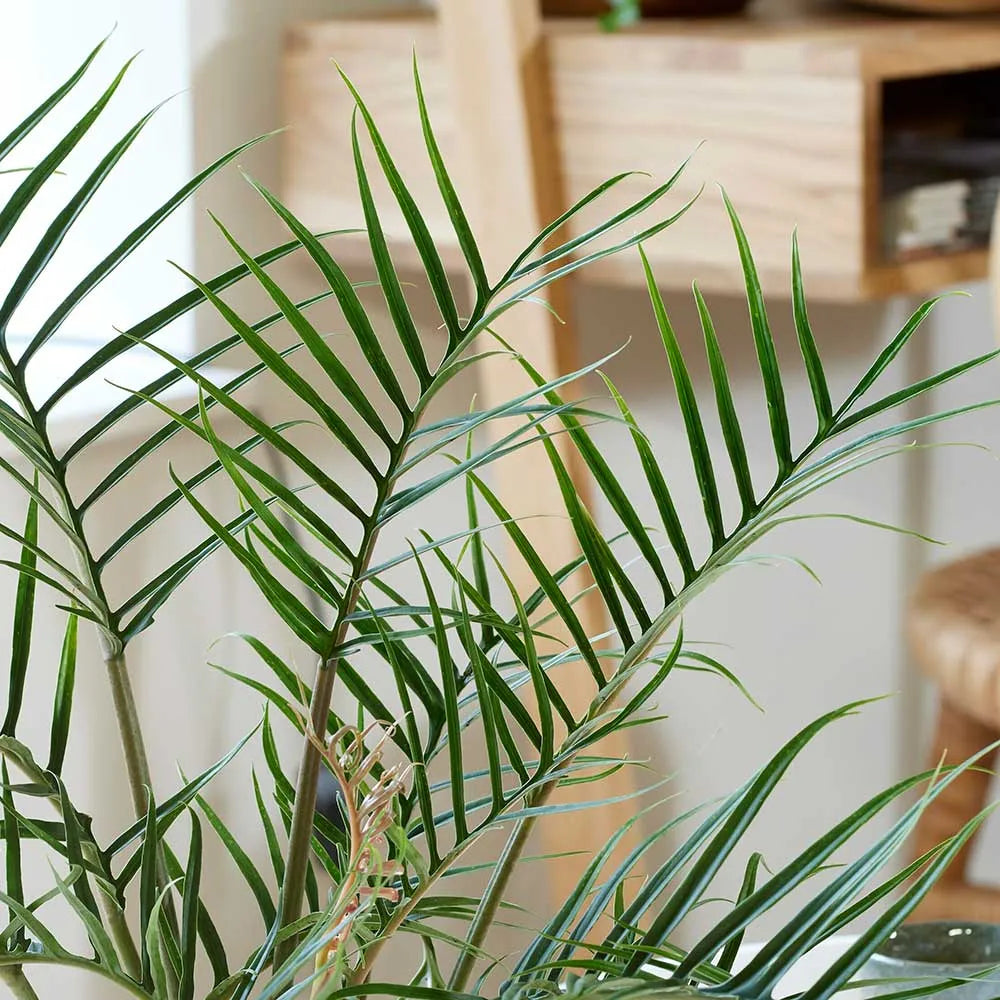
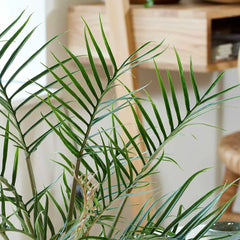
Each mature leaf is finely divided, resembling the fronds of a fern or the bones of a feather, with slender, finger-like lobes radiating from a central midrib. The young leaves unfurl in soft copper tones before maturing into a rich, glossy green. With its airy form, Philodendron tortum adds movement, texture, and intrigue to any indoor plant collection — a true living sculpture that embodies the spirit of the rainforest canopy.
Exotic yet surprisingly easy to care for, this plant is a collector’s dream and a statement piece for modern, tropical, or minimalist interiors alike.
Thrives in bright, indirect light. Too much direct sunlight can scorch the delicate lobes, while too little light will cause leggy growth and smaller leaves. East- or north-facing windows are ideal, or filtered light through sheer curtains in brighter rooms.
Keep the soil lightly moist but never soggy. Water when the top 2–3 cm of soil feels dry to the touch, allowing excess to drain completely. Overwatering can lead to root rot, while underwatering may cause leaf curl or crisping. In winter, reduce watering slightly but don’t let the soil dry out entirely.
Temperature: Prefers warmth between 18–28 °C and should be protected from cold drafts or sudden temperature changes. Avoid letting it drop below 15 °C.
Humidity: High humidity (60–80%) helps maintain lush, glossy foliage. Mist regularly, use a humidifier, or position the plant near others to create a humid microclimate.
Use a well-draining, airy aroid mix — a blend of compost, perlite, orchid bark, and coco coir works best. This mimics its natural epiphytic growing conditions, providing moisture while keeping roots well-aerated. Repot every 1–2 years in spring to refresh the soil and promote new growth.
Feed every 4–6 weeks in spring and summer with a diluted, balanced liquid fertiliser formulated for foliage plants. Avoid over-fertilising, as salt build-up can damage the fine roots. Suspend feeding in autumn and winter.
Remove any older or damaged leaves near the base to encourage healthy new growth. Wipe the slender leaves gently with a soft, damp cloth to remove dust and highlight their intricate texture. Rotate the plant regularly for even light exposure and balanced growth.
A moderately fast grower, Philodendron tortum can reach 1.5–2 metres in height when supported. As a natural climber, it benefits from a moss pole, coir totem, or trellis to support upward growth. Mature plants produce larger, more intricate leaves with increased lobing and spacing, enhancing their sculptural beauty.
Yellow leaves: Overwatering or poor drainage.
Brown edges: Low humidity or inconsistent watering.
Leggy growth: Insufficient light.
Pests: Occasionally affected by thrips or spider mites — treat with neem oil or insecticidal soap.
Philodendron tortum was discovered in the Amazonian regions of Brazil, where it grows as an epiphyte clinging to trees in humid rainforest environments. Its name, tortum, refers to the twisting, contorted nature of its mature leaves, which gives the plant its distinct, skeletal appearance.
In addition to its ornamental value, it helps purify indoor air, filtering toxins and contributing to a healthier living environment. Symbolically, Philodendrons represent abundance, renewal, and tropical vitality — qualities that tortum expresses through its graceful, ever-unfurling foliage.
Overall rating: 4.0 / 5 from 3 reviews.
Review topics: [].
"This survived a brutal journey in the post .the side of the box was caved in but the plants were in perfect condition because it had been packed so well !! Many thanks!"
"For what I paid, I would expect better. The plant, though lovely, had broken leaves - in particular, a new growth. While advertised as 40-50cm it just about scraped 40. All of this would be fine but not worth £36.99."
"Extremely quick service with the most care taken packaging the plant I have ever experienced. A lot smaller than the image shows, but a very healthy plant with lots of new growth and a great root system. Definitely recommend!"
ONLY
89
LEFT
🌱 FREE WITH ORDERS OVER £50

By Plants for all Seasons
A plant care expert that gives clear, friendly advice for all your houseplants and garden plants – tailored to UK conditions. Perfect for beginners and seasoned growers alike.
Terms of Use