




beautiful variegation
"gorgeous plant with new growth and healthy roots. arrived in perfect condition with excellent packaging."






At Plants for all Seasons, we stand behind the quality and vitality of every plant we deliver, which is why we proudly offer a Live Delivery Guarantee. This commitment means that we guarantee your plants will arrive at your doorstep in healthy, thriving condition. We understand the importance of receiving your plants in the best possible state, ready to enhance your space from the moment they arrive. With Plants for all Seasons's Live Delivery Guarantee, you can shop with complete peace of mind, knowing that your green investments are protected from our nursery to your doorstep.

Due to the sensitive and breakable nature of our products, it's understandable that damages may occur despite our meticulous packaging methods. If you find that your plant or pot has arrived in a less than satisfactory condition, please reach out to us at hello@plantsforallseasons.co.uk within a month of your delivery date. When contacting us, please provide your order reference, alongside a photo clearly showing the damaged item and its packaging, including the delivery label. We are committed to resolving such issues by offering a refund or a replacement, depending on the availability of the item in question.
We are unable to accept returns that are not related to damage because plants are inherently perishable and delicate. It's also worth noting that the plant you receive may slightly differ from the images displayed on our website. This variation is natural, given that each plant is unique and subject to seasonal growth changes.

At Plants for all Seasons, we recognise the critical role our courier partners play in ensuring the safe and secure delivery of your plants. We collaborate exclusively with leading courier services, renowned for their reliability and exceptional handling practices, to ensure your plants arrive in perfect condition. Our partners are carefully selected based on their commitment to timely deliveries and their proven track record in transporting delicate items with the utmost care.

At Plants for all Seasons, our commitment to the environment extends to every aspect of our operations, especially in how we deliver your plants. We take pride in our bespoke, eco-friendly packaging, meticulously designed for the safe transport of live plants. Our innovative packaging solutions are crafted from sustainable materials, ensuring that your plants are not only secure but also that their journey from our nursery to your home treads lightly on the earth. This thoughtful approach minimises stress on the plants and reduces waste, aligning with our mission to promote a greener, more sustainable future.
 Ask Leafy.AI
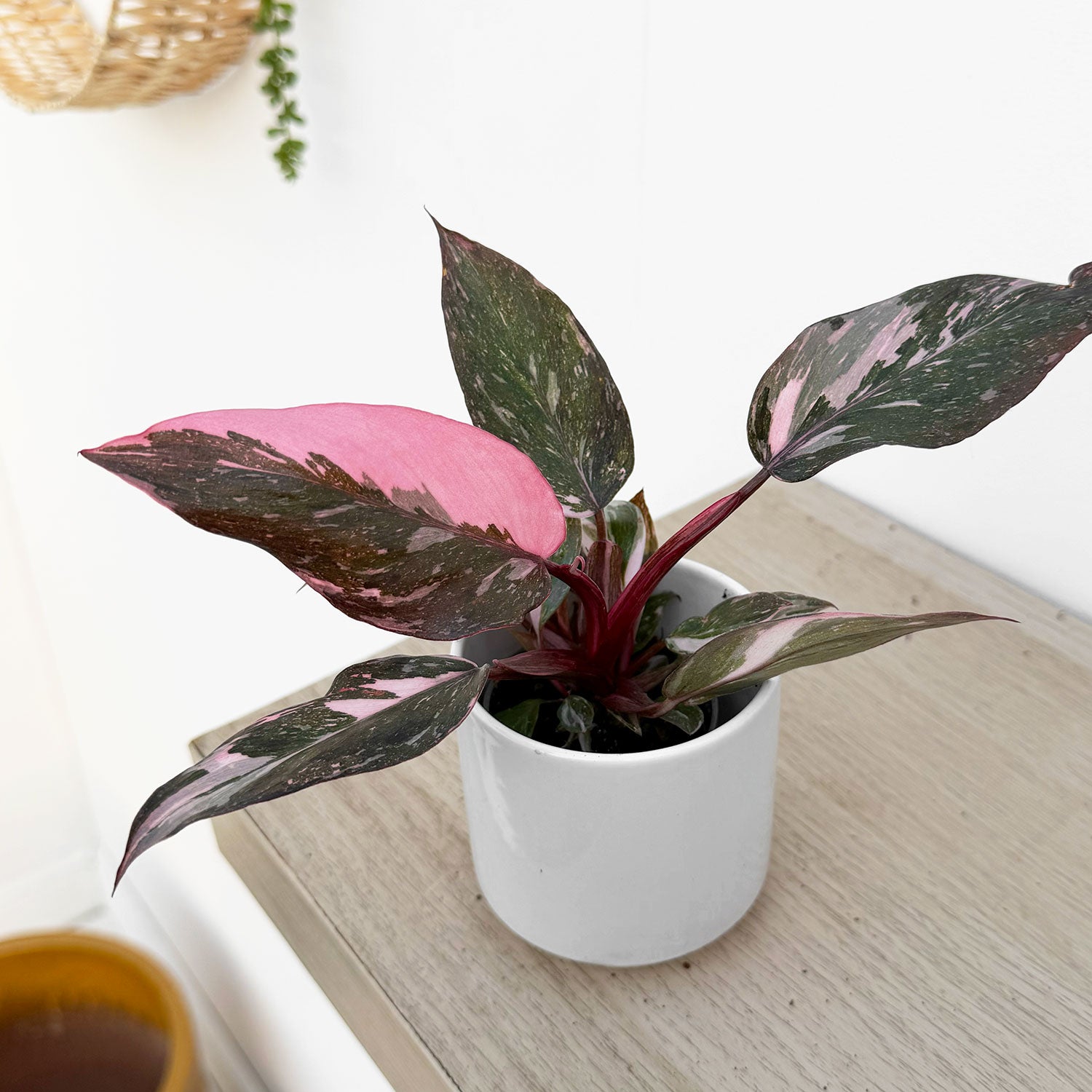
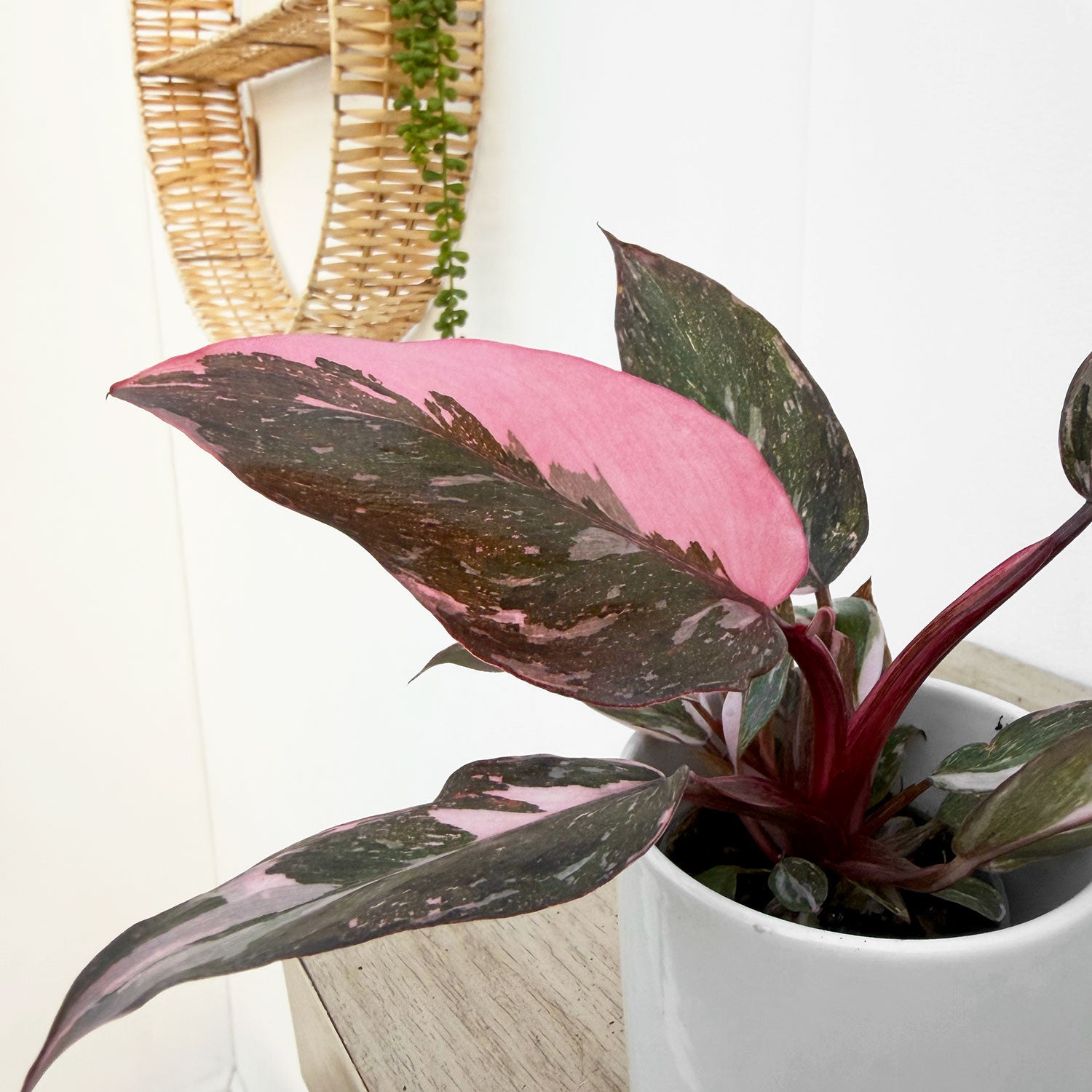
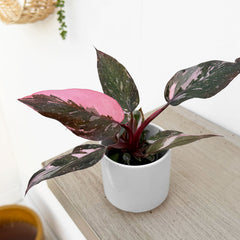
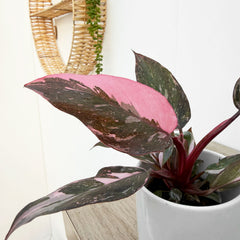
Philodendron erubescens ‘Pink Princess’ (Highly Variegated / Marble Form) is a truly exceptional tropical aroid prized for its luxurious marbled pink variegation and dark, velvety foliage. Considered the crown jewel of the Philodendron genus, this rare form exhibits a higher concentration of pink than typical specimens, often with large splashes, marbling, or even half-moon patterns across the leaves.
Each leaf is a living work of art — a dramatic blend of deep chocolate-green, jet black, and bubblegum-pink marbling. Unlike standard Pink Princess plants, the highly variegated or marble form features unpredictable streaks and patches of colour that may range from soft pastel blush to intense magenta. The petioles and undersides of the leaves often show a warm pink hue, further enhancing its tropical allure.
Compact, elegant, and mesmerising in detail, Philodendron ‘Pink Princess’ (Marble Variegata) is a collector’s masterpiece — a plant that combines rarity, refinement, and botanical artistry in perfect balance.
Thrives in bright, indirect light, which helps maintain the intensity of its pink variegation. Too little light may cause the plant to revert to green, while excessive direct sunlight can scorch the pale areas. Position it near a bright east- or west-facing window with filtered light for best results.
Keep the soil lightly moist but not waterlogged. Water when the top 2–3 cm of soil feels dry to the touch. Overwatering can cause root rot and fade the variegation, while underwatering may result in drooping or crisp leaf edges. In winter, allow the soil to dry slightly more between waterings.
Temperature: Prefers warmth between 20–28 °C; avoid cold draughts and temperatures below 16 °C.
Humidity: Requires high humidity (60–80%) to prevent crisping on variegated sections. Mist regularly, use a humidifier, or grow in a greenhouse cabinet for optimal leaf quality and colour saturation.
Use a well-draining, airy aroid mix — equal parts compost, orchid bark, perlite, and coco coir. This ensures moisture retention with proper aeration. Repot every 1–2 years in spring, taking care not to disturb the roots unnecessarily. A clear pot can help monitor root health and moisture levels.
Feed every 4–6 weeks during spring and summer with a diluted, balanced liquid fertiliser or an aroid-specific formula. Avoid over-fertilising, as this can damage sensitive variegated tissue. Stop feeding in autumn and winter when growth slows.
Remove green-dominant leaves to encourage variegated regrowth, as Pink Princess can revert over time. Trim dead or damaged foliage at the base to maintain a neat appearance. Wipe leaves gently with a damp cloth to keep their marbled texture gleaming and free of dust. Rotate the plant periodically to ensure balanced light exposure and even variegation development.
A moderate grower, Philodendron ‘Pink Princess’ (Marble Form) can reach 60–90 cm in height indoors when staked or supported. The variegation pattern on each new leaf is unique and unpredictable — some entirely marbled, others beautifully half-pink or streaked. With maturity and consistent light, the pink hues often become richer and more defined.
Green leaves only: Insufficient light or lack of variegation in new growth.
Brown patches: Overwatering or leaf burn from direct sunlight.
Crisp edges: Low humidity or dryness on pink sections.
Pests: Occasionally thrips or mealybugs; treat promptly with neem oil or insecticidal soap.
Philodendron erubescens originates from the rainforests of Colombia and Costa Rica, where it climbs trees under dappled light. The ‘Pink Princess’ cultivar was developed through selective propagation, and the highly variegated marble form represents the most vibrant and sought-after expression of this genetic mutation.
This plant’s captivating variegation occurs due to a natural lack of chlorophyll in certain leaf cells, producing its vivid pink tones. Because of this, it grows more slowly than standard green Philodendrons, making every new leaf a celebrated event for collectors. Like other Philodendrons, it also contributes to air purification, filtering indoor toxins while adding an unmistakable touch of tropical luxury.
Light: Bright, indirect light; avoid direct sun
Water: Keep soil lightly moist; allow top 2–3 cm to dry between watering
Temperature: 20–28 °C; avoid below 16 °C
Humidity: High (60–80%)
Soil: Airy, well-draining mix – compost, bark, perlite, coco coir
Feed: Every 4–6 weeks in spring/summer
Growth: Upright climbing habit, 60–90 cm; deep green leaves with bright pink marbling and burgundy petioles
⚠️ Toxicity note: Contains calcium oxalate crystals and is toxic if ingested. Keep out of reach of pets and children.
Display Philodendron ‘Pink Princess’ (Highly Variegated / Marble Form) in a sleek white or rose-gold planter to accentuate its vibrant pink variegation. Place it on a plant stand or let it climb a moss pole to showcase its large, marbled leaves. For a cohesive aesthetic, pair it with darker tropicals such as Philodendron ‘Rojo Congo’ or Anthurium ‘Dark Phoenix’, allowing the pink tones to take centre stage. In any collection, this plant is the undeniable focal point — a living piece of botanical art.
Overall rating: 4.285714 / 5 from 14 reviews.
Review topics: [].
"gorgeous plant with new growth and healthy roots. arrived in perfect condition with excellent packaging."
"The plants that were received were in very good condition. Very happy with the purchase."
"Love the color of the leaves , very unusual. Excellent service and prompt delivery!"
"Beautiful plant, arrived in excellent condition."
"So cute"
"Great plant very healthy, amazing variegation"
"Looks healthy with more leaves than I expected, with a good amount a variegation."
"Received one with absolutely no pink at all at first, paid a lot for a plant with no variegation which was a little annoying. It has a tiny bit of pink now but definitely not highly variegated. No answer from customer service either."
"A stunning plant! Planted it next to my other pink princess. You can really tell the difference between variegation. Can't wait to see how big it'll get :D (unsure how to add a photo)"
"This one turned up nicely with no damage, and whilst I know that variegation can vary, if I’ve paid for a “Highly variegated” plant, I can’t of expect more variegation that I received, especially for the price of £20 for a 6cm pot. The majority of the leaves had minimal variegation."
ONLY
15
LEFT
🌱 FREE WITH ORDERS OVER £50

By Plants for all Seasons
A plant care expert that gives clear, friendly advice for all your houseplants and garden plants – tailored to UK conditions. Perfect for beginners and seasoned growers alike.
Terms of Use