





Amazing quality
"Superb packaging and quality plants"


At Plants for all Seasons, we stand behind the quality and vitality of every plant we deliver, which is why we proudly offer a Live Delivery Guarantee. This commitment means that we guarantee your plants will arrive at your doorstep in healthy, thriving condition. We understand the importance of receiving your plants in the best possible state, ready to enhance your space from the moment they arrive. With Plants for all Seasons's Live Delivery Guarantee, you can shop with complete peace of mind, knowing that your green investments are protected from our nursery to your doorstep.

Due to the sensitive and breakable nature of our products, it's understandable that damages may occur despite our meticulous packaging methods. If you find that your plant or pot has arrived in a less than satisfactory condition, please reach out to us at hello@plantsforallseasons.co.uk within a month of your delivery date. When contacting us, please provide your order reference, alongside a photo clearly showing the damaged item and its packaging, including the delivery label. We are committed to resolving such issues by offering a refund or a replacement, depending on the availability of the item in question.
We are unable to accept returns that are not related to damage because plants are inherently perishable and delicate. It's also worth noting that the plant you receive may slightly differ from the images displayed on our website. This variation is natural, given that each plant is unique and subject to seasonal growth changes.

At Plants for all Seasons, we recognise the critical role our courier partners play in ensuring the safe and secure delivery of your plants. We collaborate exclusively with leading courier services, renowned for their reliability and exceptional handling practices, to ensure your plants arrive in perfect condition. Our partners are carefully selected based on their commitment to timely deliveries and their proven track record in transporting delicate items with the utmost care.

At Plants for all Seasons, our commitment to the environment extends to every aspect of our operations, especially in how we deliver your plants. We take pride in our bespoke, eco-friendly packaging, meticulously designed for the safe transport of live plants. Our innovative packaging solutions are crafted from sustainable materials, ensuring that your plants are not only secure but also that their journey from our nursery to your home treads lightly on the earth. This thoughtful approach minimises stress on the plants and reduces waste, aligning with our mission to promote a greener, more sustainable future.
 Ask Leafy.AI
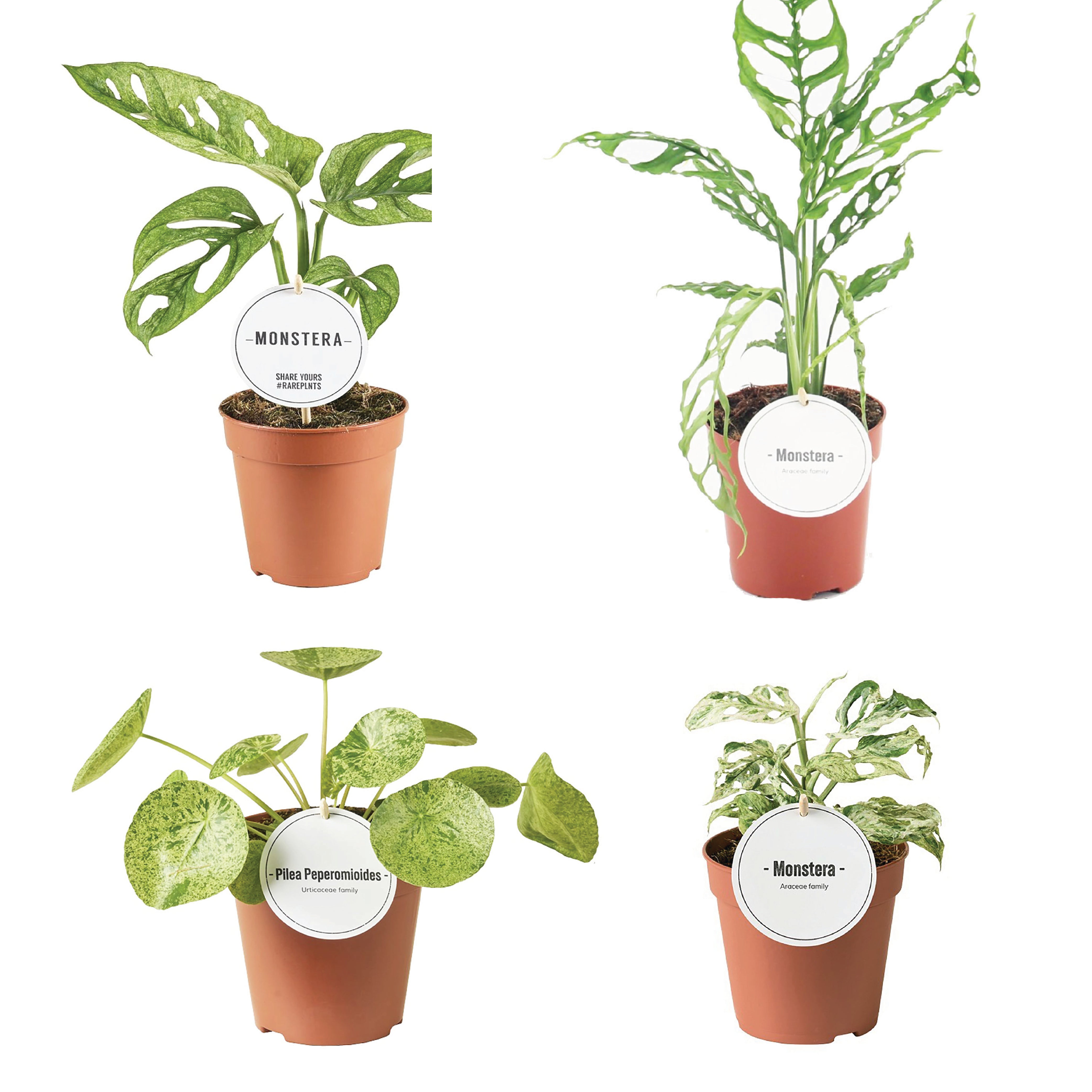
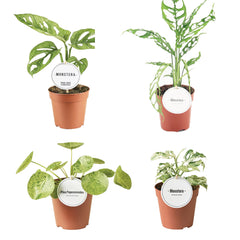
Bring some seriously special foliage into your collection with this Rare House Plant Bundle, featuring four distinctive collector plants chosen for their unusual leaves, variegation and individual character.
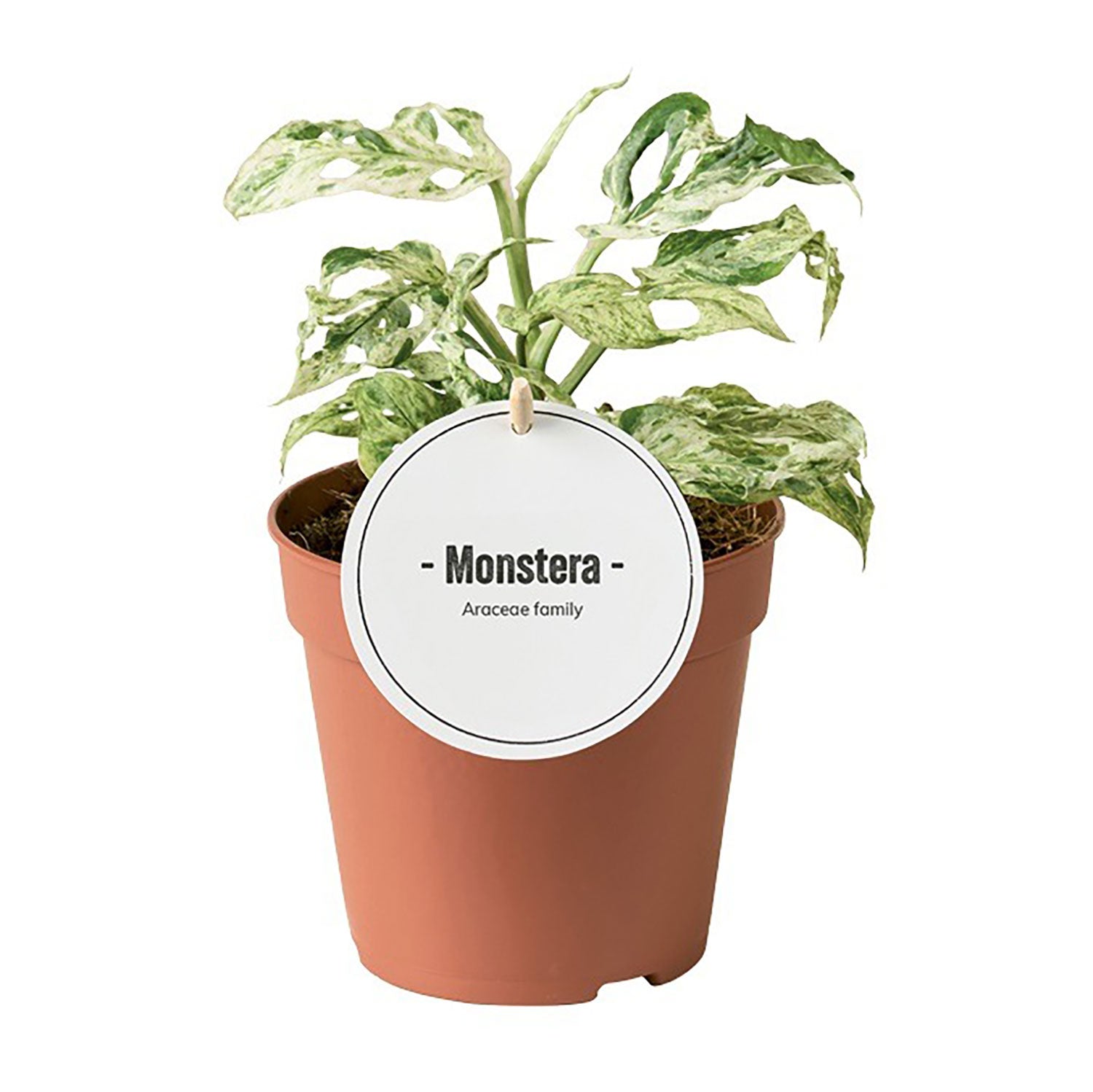
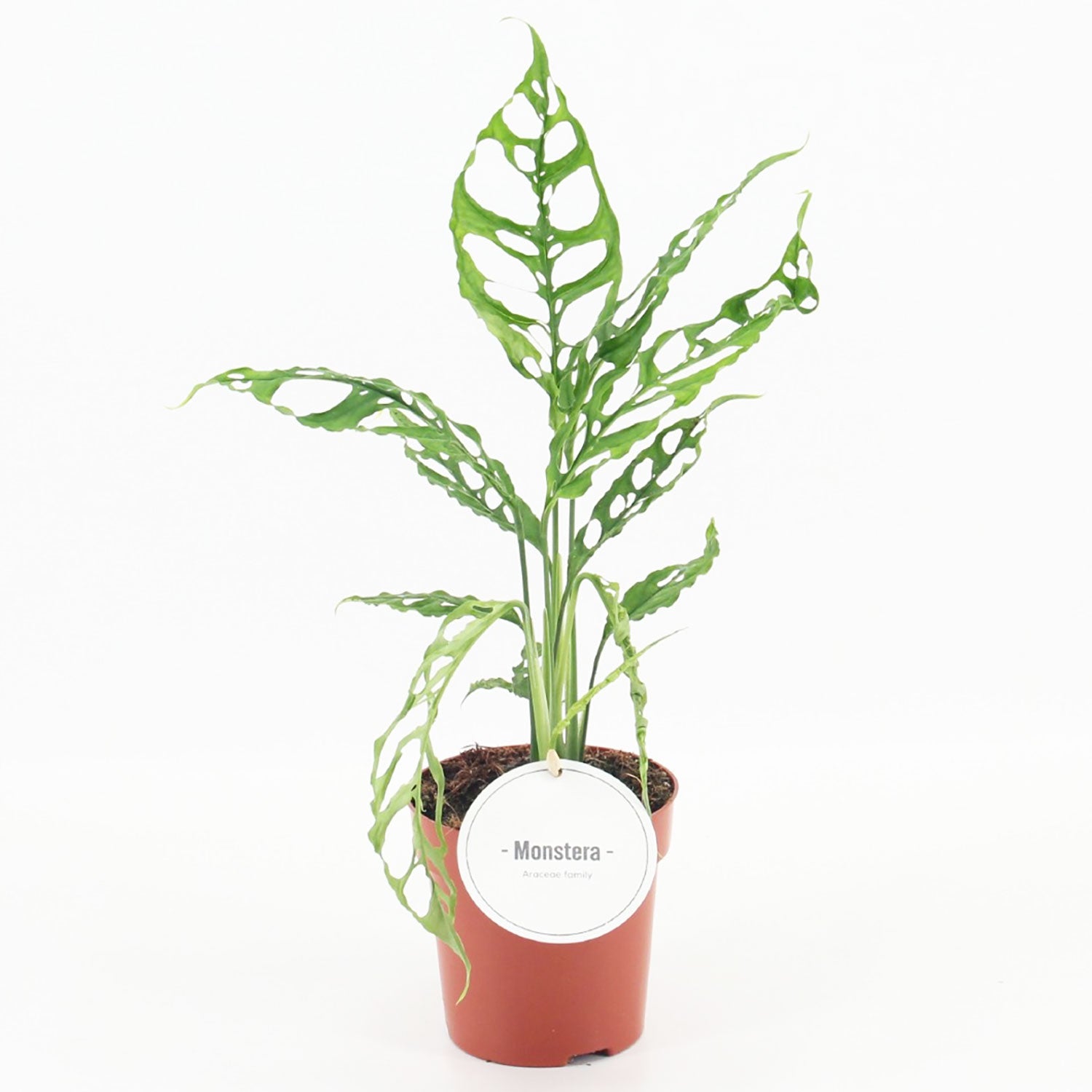
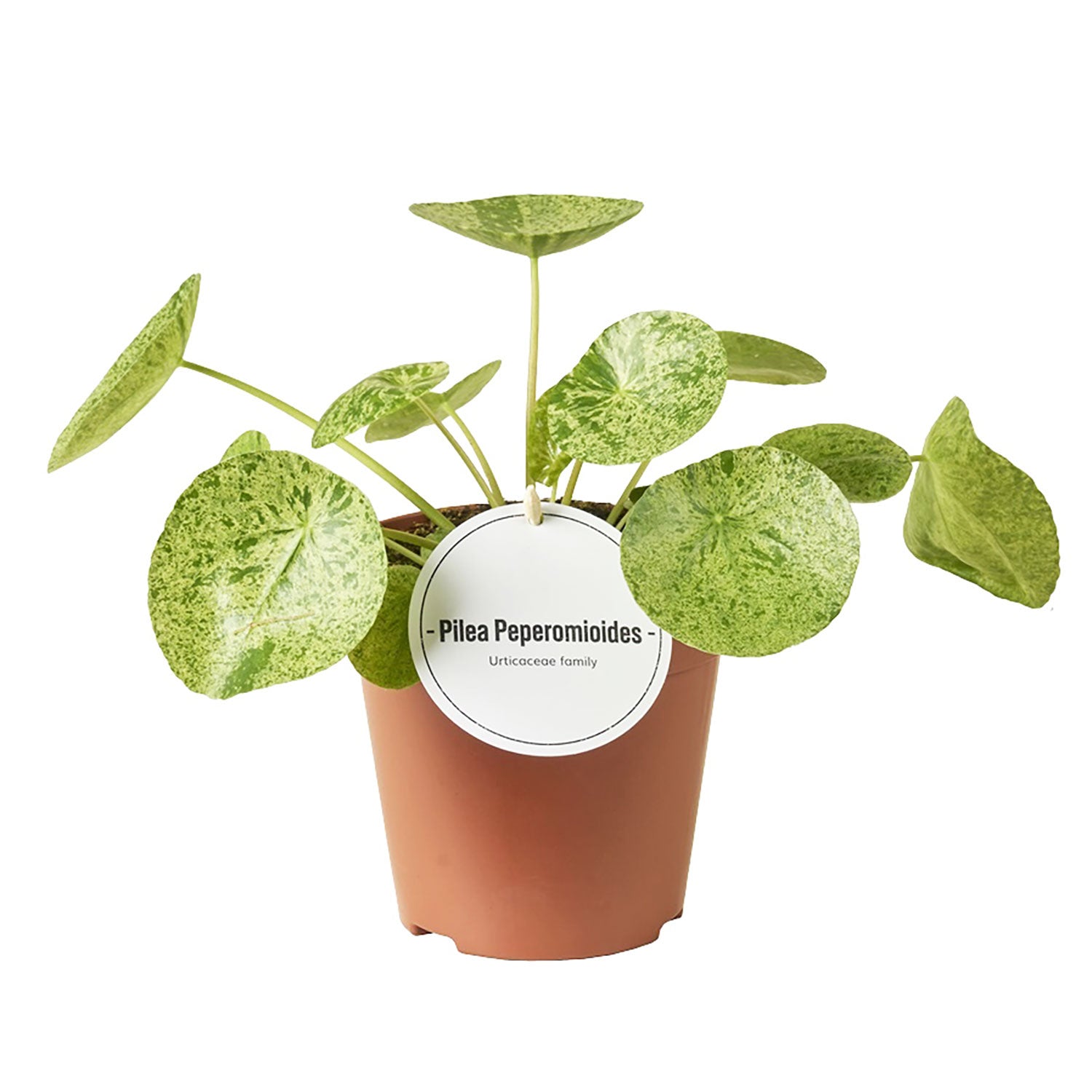
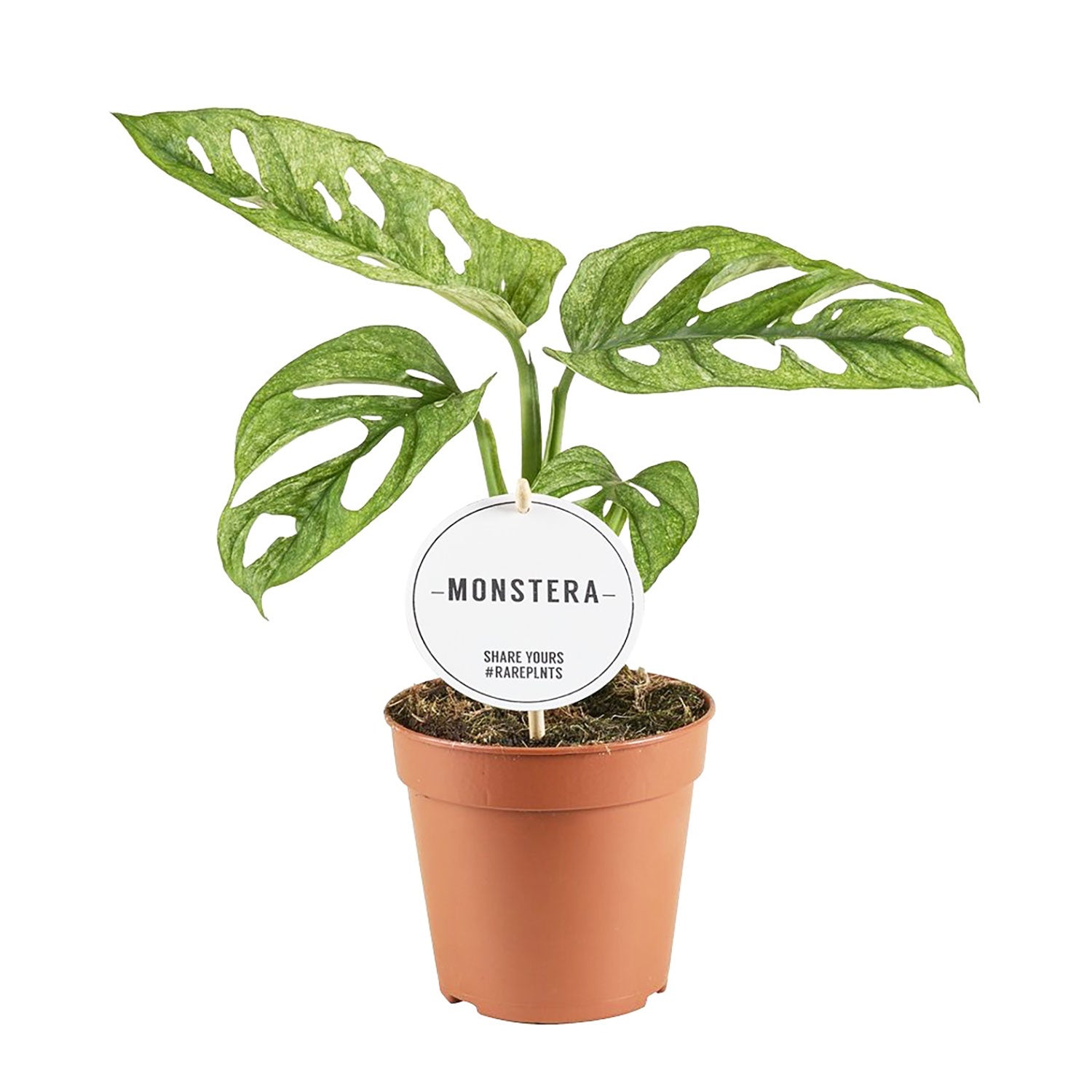
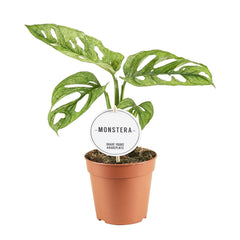
This bundle includes a Monstera Obliqua, Pilea Mojito, Monstera Frozen Freckles and Monstera European Mint, each supplied in a 12cm nursery pot. From delicate fenestrations and speckled foliage to beautiful mint-toned variegation, every plant brings something completely different to the collection.
Perfect for rare plant enthusiasts or anyone looking to expand beyond more commonly available houseplants, this bundle gives you four striking varieties in one carefully selected collection.
Your bundle includes:
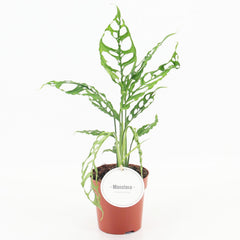
Monstera Obliqua
One of the most fascinating members of the Monstera family, Monstera Obliqua is prized for its exceptionally delicate foliage and dramatic fenestrations. As the plant matures, its thin leaves develop increasingly prominent openings, creating the intricate appearance that has made Obliqua so desirable amongst collectors. It is a more demanding plant than many common Monsteras and particularly appreciates warmth, consistent moisture and high humidity.
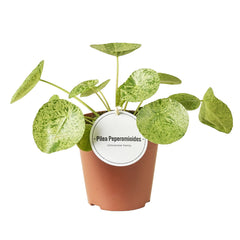
Pilea Mojito
Pilea Mojito offers something completely different, producing compact foliage decorated with a wonderful mixture of green, cream and pale mint markings. The mottled variegation gives every leaf its own pattern, creating a lively, textured appearance. Its compact growth makes it an excellent contrast to the climbing Monsteras included within the bundle.
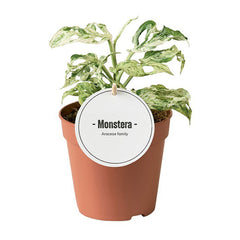
Monstera Frozen Freckles
Monstera Frozen Freckles is all about the foliage. Its leaves develop beautiful pale variegation scattered and marbled across the green, creating a frosted or speckled effect. As the plant grows and matures, larger leaves make these unusual markings increasingly impressive. Providing plenty of bright, indirect light will help support healthy growth and showcase its lighter colouring.
Monstera European Mint
Completing the collection is the stunning Monstera European Mint, prized for its subtle minty variegation. Rather than producing simple blocks of white and green, its foliage can display intricate pale green, cream and mint tones running through the leaves. Each new leaf is slightly different, making watching this plant develop part of its appeal.
Together, these four plants create a fantastic introduction to the more unusual side of houseplant collecting – or an exciting addition to an already established rare plant collection.
Please remember that variegation, fenestration, leaf shape and colouring naturally vary from plant to plant. The exact markings of the plants you receive will therefore be unique.
Although all four plants enjoy warm indoor conditions and bright, indirect light, they don't have identical care requirements. In particular, Monstera Obliqua requires considerably higher humidity and more consistent conditions than the other plants in this bundle.
Place the plants in bright, indirect light.
The variegated Monsteras – particularly Frozen Freckles and European Mint – benefit from plenty of indirect light because their paler sections contain less chlorophyll than completely green foliage. Good light helps support strong growth while allowing the variegation to remain at its best.
Avoid harsh direct midday or afternoon sunlight. Pale variegated areas are particularly vulnerable to scorching, while the extremely thin foliage of Monstera Obliqua can be damaged particularly quickly by intense direct sun.
An east-facing window or a bright position set slightly back from a south- or west-facing window is usually ideal.
Rotate the pots occasionally to encourage balanced growth.
Always check the compost before watering rather than following a fixed weekly schedule.
For Frozen Freckles, European Mint and Pilea Mojito, allow the upper few centimetres of compost to begin drying before watering thoroughly. Let excess water drain completely from the nursery pot before returning the plant to its decorative pot.
Never allow the plants to remain standing in water. Constantly saturated compost prevents oxygen reaching the roots and significantly increases the risk of root rot.
Monstera Obliqua requires slightly different treatment. Its delicate foliage and root system appreciate more consistent moisture, so its growing medium should generally remain lightly moist rather than being allowed to dry substantially. However, moist does not mean saturated – excellent drainage remains essential. The RHS recommends moist but well-drained conditions for this species.
Watering frequency will naturally change throughout the year. Plants usually require more frequent watering during warm, bright periods and considerably less during winter.
All four plants appreciate increased humidity, but humidity is particularly important for Monstera Obliqua.
Aim for around 60% humidity or above for the variegated Monsteras where possible. The RHS notes that variegated Monsteras thrive in higher humidity, ideally around 60–80%.
Monstera Obliqua is more demanding and will perform best in very high humidity, ideally around 80% or higher. A greenhouse cabinet, terrarium or humidified plant room can therefore be particularly beneficial for this variety. Its extremely thin foliage loses moisture much more readily than thicker-leaved Monsteras.
Pilea is generally more forgiving of normal household conditions, although it can also benefit from additional humidity.
When increasing humidity, good airflow is equally important. Constantly stagnant, damp air can encourage fungal problems.
Keep your plants somewhere warm with relatively stable temperatures.
An ideal range is approximately 18–27°C, although normal warm household temperatures are generally suitable.
Avoid:
Monstera Obliqua is particularly sensitive to cold conditions and should be given one of the warmest, most stable positions in your collection.
The Monsteras will thrive in an airy, free-draining aroid mix that retains some moisture while allowing plenty of oxygen around the roots.
A suitable mixture could contain:
Monstera Obliqua particularly benefits from a light, open substrate because it requires consistent moisture without having its delicate roots sitting in dense, saturated compost.
Pilea Mojito can be grown in a slightly finer houseplant mix, but adding perlite or fine bark will help improve drainage.
Whatever mixture you choose, always use a pot with drainage holes.
During spring and summer, feed approximately once every 4–6 weeks with a balanced liquid houseplant fertiliser.
Use fertiliser according to the manufacturer's recommended dilution and avoid the temptation to overfeed rare or variegated plants in an attempt to speed up growth.
Variegated Monsteras can naturally grow more slowly because their pale sections contain less chlorophyll. Heavy feeding won't compensate for this and can instead cause a build-up of salts around the roots.
Reduce or stop feeding during winter when growth slows.
Frozen Freckles and European Mint are climbing Monsteras and will benefit from support as they mature.
A moss pole, coir pole or suitable plant support encourages the aerial roots to attach and allows the plant to grow upwards. Providing support can also encourage increasingly mature growth and larger foliage.
Secure stems loosely rather than tying the leaf stalks tightly to the support.
Monstera Obliqua is also naturally a climbing or trailing plant and can be given a suitable support as it develops.
There is no need to repot immediately after receiving your plants unless there is a specific problem with the growing medium or roots.
Allow them time to acclimatise to their new environment first.
When repotting becomes necessary, move up by only one pot size at a time. Using an excessively large pot means there is more compost surrounding the root system, which stays wet for longer and increases the risk of overwatering.
Spring and early summer are generally the best times to repot because the plants are actively growing.
Frozen Freckles, European Mint and Pilea Mojito are grown primarily for their unusual foliage, and variation between individual plants is completely normal.
New leaves may emerge with:
This natural unpredictability is one of the most exciting parts of growing variegated plants.
Avoid exposing heavily variegated foliage to strong direct sunlight, as the paler tissue is more susceptible to scorching.
Yellowing leaves
Often associated with overwatering, particularly when several leaves yellow simultaneously. Check that the compost isn't remaining saturated and that excess water can escape freely.
Brown or crispy edges
Can indicate low humidity, underwatering, excessive sunlight or inconsistent watering. This is especially important with Monstera Obliqua, whose extremely delicate leaves are much less tolerant of dry conditions.
Faded or scorched variegation
Usually indicates excessive direct sunlight. Move the plant somewhere bright but protected from harsh direct rays.
Drooping leaves
Check the compost. Both very dry and excessively wet roots can cause plants to droop.
Small new leaves or slow growth
Some slow growth is completely normal, particularly with rare and highly variegated plants. However, insufficient light, low temperatures or a lack of nutrients during the growing season can also contribute.
Regularly inspect the upper and lower surfaces of leaves, stems and new growth for common houseplant pests including:
Rare plants are worth checking particularly carefully when watering so that any problem can be identified early.
Your plants have just completed a journey, so don't worry if they need a little time to adjust.
Place them somewhere warm with bright, indirect light and allow them to acclimatise before making major changes. Avoid immediately repotting, heavily feeding or repeatedly moving them around unless necessary.
Some temporary drooping or adjustment of older foliage can occur after transport. Focus on providing stable conditions and allow the plants to settle.
Pilea Mojito: Easy–Intermediate
Monstera Frozen Freckles: Intermediate
Monstera European Mint: Intermediate
Monstera Obliqua: Advanced
The Monstera Obliqua is the most specialist plant within this bundle and is best suited to growers who can provide consistently high humidity, warmth and careful watering.
Monsteras contain calcium oxalate crystals and can be harmful if eaten, so they should be kept away from pets and young children who may chew the foliage. The RHS lists Monstera Obliqua as harmful if eaten and potentially irritating to the skin and eyes.
Overall rating: 4.3333335 / 5 from 6 reviews.
Review topics: [].
"Superb packaging and quality plants"
"Beautiful leaves and looked good when it arrived, but after 2 weeks of noticing the new buds weren’t growing depite spring, decided to check out the roots. It was ALL ROT. I’m going to try to salvage the plant but very disappointed as my other purchases from here have all been perfect."
"This plant looks way better in real life than in the photos. I received a lovely healthy specimen. Very happy, thank you!"
"Very well priced for the size received. Around 2 good sized stems with long vines. And is growing pretty fast too."
"The plant arrived quickly, healthy and looking just like the picture. Very happy customer, again!"
"The small plant came in a very big box, but it did arrive safely. Dispatch note not received until after the plant arrived. Plant is in mostly good condition apart from one cutting popped in the soil, the rest seems well rooted. I was a little disappointed that is was quite dark for a moonlight and not very silvery like the photo/other moonlights I have."
ONLY
69
LEFT
🌱 FREE WITH ORDERS OVER £50

By Plants for all Seasons
A plant care expert that gives clear, friendly advice for all your houseplants and garden plants – tailored to UK conditions. Perfect for beginners and seasoned growers alike.
Terms of Use