
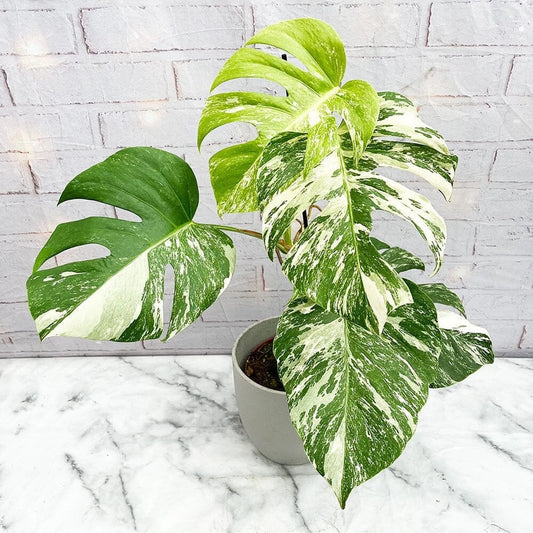


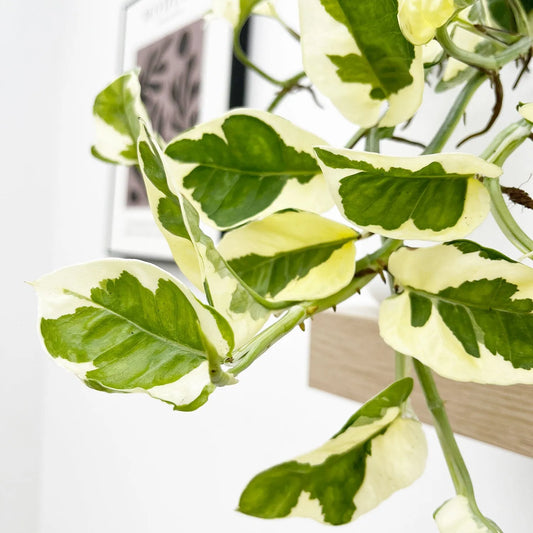
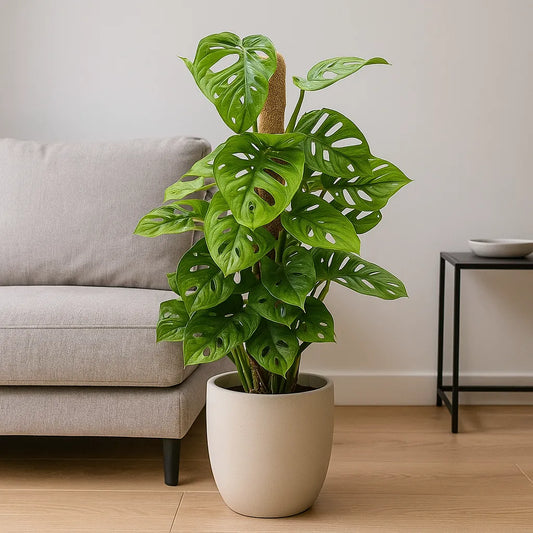


The come broken when arrived
"The come broken when arrived although Fragile is clearly written on the packaging"


At Plants for all Seasons, we stand behind the quality and vitality of every plant we deliver, which is why we proudly offer a Live Delivery Guarantee. This commitment means that we guarantee your plants will arrive at your doorstep in healthy, thriving condition. We understand the importance of receiving your plants in the best possible state, ready to enhance your space from the moment they arrive. With Plants for all Seasons's Live Delivery Guarantee, you can shop with complete peace of mind, knowing that your green investments are protected from our nursery to your doorstep.

Due to the sensitive and breakable nature of our products, it's understandable that damages may occur despite our meticulous packaging methods. If you find that your plant or pot has arrived in a less than satisfactory condition, please reach out to us at hello@plantsforallseasons.co.uk within a month of your delivery date. When contacting us, please provide your order reference, alongside a photo clearly showing the damaged item and its packaging, including the delivery label. We are committed to resolving such issues by offering a refund or a replacement, depending on the availability of the item in question.
We are unable to accept returns that are not related to damage because plants are inherently perishable and delicate. It's also worth noting that the plant you receive may slightly differ from the images displayed on our website. This variation is natural, given that each plant is unique and subject to seasonal growth changes.

At Plants for all Seasons, we recognise the critical role our courier partners play in ensuring the safe and secure delivery of your plants. We collaborate exclusively with leading courier services, renowned for their reliability and exceptional handling practices, to ensure your plants arrive in perfect condition. Our partners are carefully selected based on their commitment to timely deliveries and their proven track record in transporting delicate items with the utmost care.

At Plants for all Seasons, our commitment to the environment extends to every aspect of our operations, especially in how we deliver your plants. We take pride in our bespoke, eco-friendly packaging, meticulously designed for the safe transport of live plants. Our innovative packaging solutions are crafted from sustainable materials, ensuring that your plants are not only secure but also that their journey from our nursery to your home treads lightly on the earth. This thoughtful approach minimises stress on the plants and reduces waste, aligning with our mission to promote a greener, more sustainable future.
 Ask Leafy.AI
The Dragon Fruit Cactus, botanically known as Hylocereus undatus, is a climbing cactus native to Central America but now widely cultivated across Asia, South America, and other tropical regions. Belonging to the Cactaceae family, it is admired not only for its striking appearance but also for producing the exotic dragon fruit, also known as pitaya.
Unlike the stereotypical desert cactus, this is a fast-growing, sprawling, and vining species that develops thick, three-sided stems with prominent ridges and small clusters of spines along the edges. With support, it climbs and cascades, making it highly ornamental in both gardens and greenhouses.
One of the most spectacular features of the Dragon Fruit Cactus is its flowers. These are large, funnel-shaped, and creamy white with a delicate fragrance, blooming at night and lasting only until dawn. If pollinated, the flowers give way to oval fruits with vivid pink to red skin and green scales, revealing a white or red pulp speckled with tiny black seeds. The fruit is sweet, refreshing, and highly nutritious.
Indoors, this cactus can be grown as a striking ornamental plant, while in warm greenhouses or outdoors in suitable climates, it can be trained on trellises or supports to produce fruit. Its unusual form, nocturnal flowers, and edible harvest make it a plant of both beauty and utility.
Requires bright, direct light for much of the day. Outdoors, it thrives in full sun; indoors, place near a south-facing window or provide supplemental grow lighting. Insufficient light will result in weak, leggy growth and reduced flowering.
Water deeply when the soil has almost dried out, then allow excess to drain freely. During the active growing season (spring to autumn), this may mean watering every 7–10 days depending on conditions. In winter, when growth slows, reduce watering to once every 3–4 weeks. Overwatering or waterlogged soil can cause root rot.
Temperature: Prefers warm conditions between 20–30°C. It is frost-sensitive and should not be exposed to temperatures below 10°C.
Humidity: Moderate humidity is fine, though the plant is tolerant of dry air as long as watering is consistent.
Use a gritty, free-draining cactus and succulent compost. Adding sand or perlite helps improve aeration and drainage. Plant in a container with drainage holes, and if growing for fruit, provide a sturdy support such as a trellis or pole to encourage vertical growth.
Feed every 2–4 weeks during the growing season with a balanced cactus fertiliser or a high-potassium feed to encourage flowers and fruit. Stop feeding in winter.
Prune to manage size and shape, removing excess side shoots to encourage strong vertical growth. For fruiting, focus on training a few main stems upwards, as flowers and fruits are produced from mature branches.
Flowers typically appear in summer, opening at night and wilting by morning. They are often pollinated by moths or bats in nature, but hand-pollination with a soft brush may be required indoors or in greenhouses.
Fruits develop several weeks after flowering and can be harvested once the skin has turned bright pink or red.
Yellowing stems: Often caused by overwatering or poor drainage.
Lack of flowers/fruit: Usually due to insufficient light, lack of support, or the plant being too young.
Pests: Can be affected by mealybugs or scale insects; wipe stems regularly and inspect for signs of pests.
The Dragon Fruit Cactus has been cultivated for centuries for its unusual fruit, which is rich in antioxidants, vitamin C, and fibre. The plant’s nocturnal flowers are sometimes called “moonflowers” due to their brief but enchanting bloom. Its exotic look and practical harvest make it a favourite among collectors, gardeners, and food enthusiasts alike.
✅ Quick Care Summary
Light: Full sun or bright, direct indoor light
Water: Allow soil to dry slightly between waterings
Temperature: 20–30°C; avoid below 10°C
Soil: Free-draining cactus compost
Feed: Every 2–4 weeks in growing season
Growth: Climbing, requires support for fruiting
Overall rating: 1.0 / 5 from 1 reviews.
Review topics: [].
"The come broken when arrived although Fragile is clearly written on the packaging"
ONLY
90
LEFT
🌱 FREE WITH ORDERS OVER £50

By Plants for all Seasons
A plant care expert that gives clear, friendly advice for all your houseplants and garden plants – tailored to UK conditions. Perfect for beginners and seasoned growers alike.
Terms of Use