







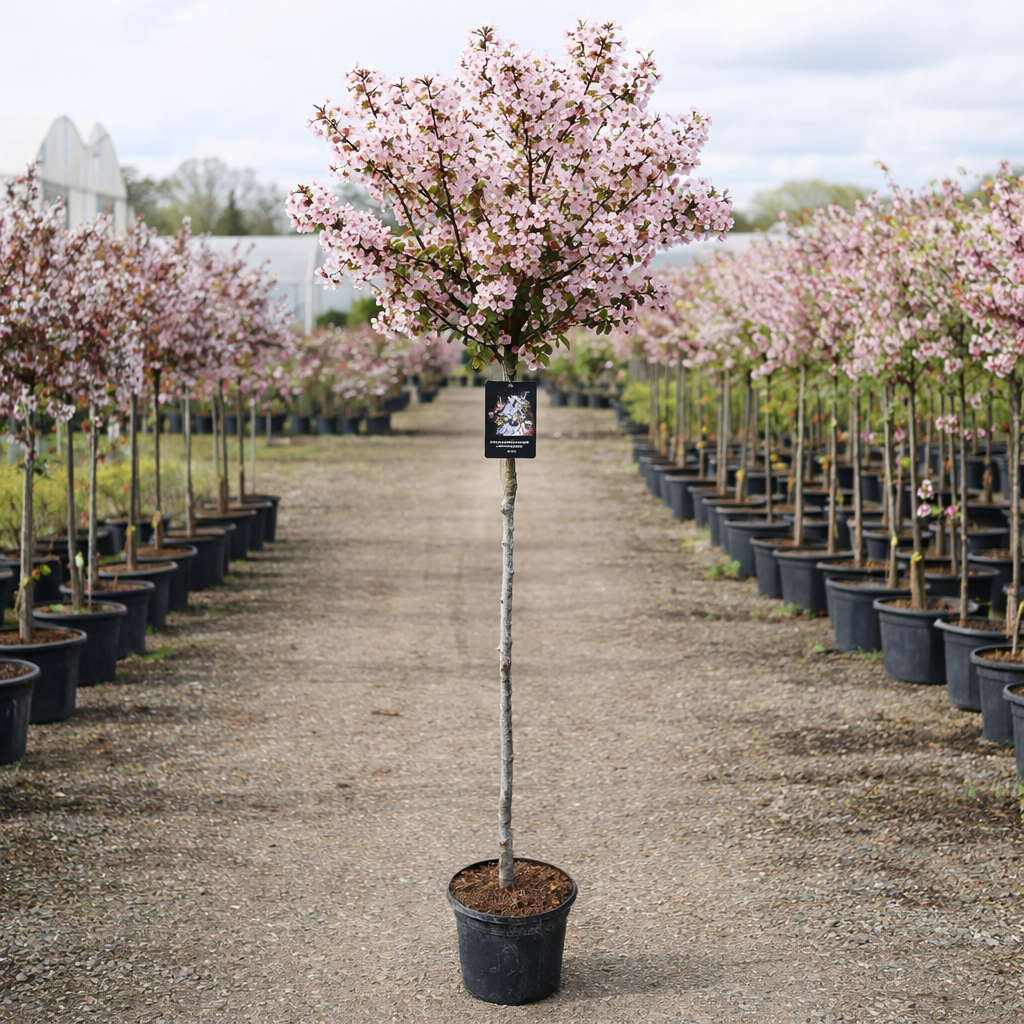
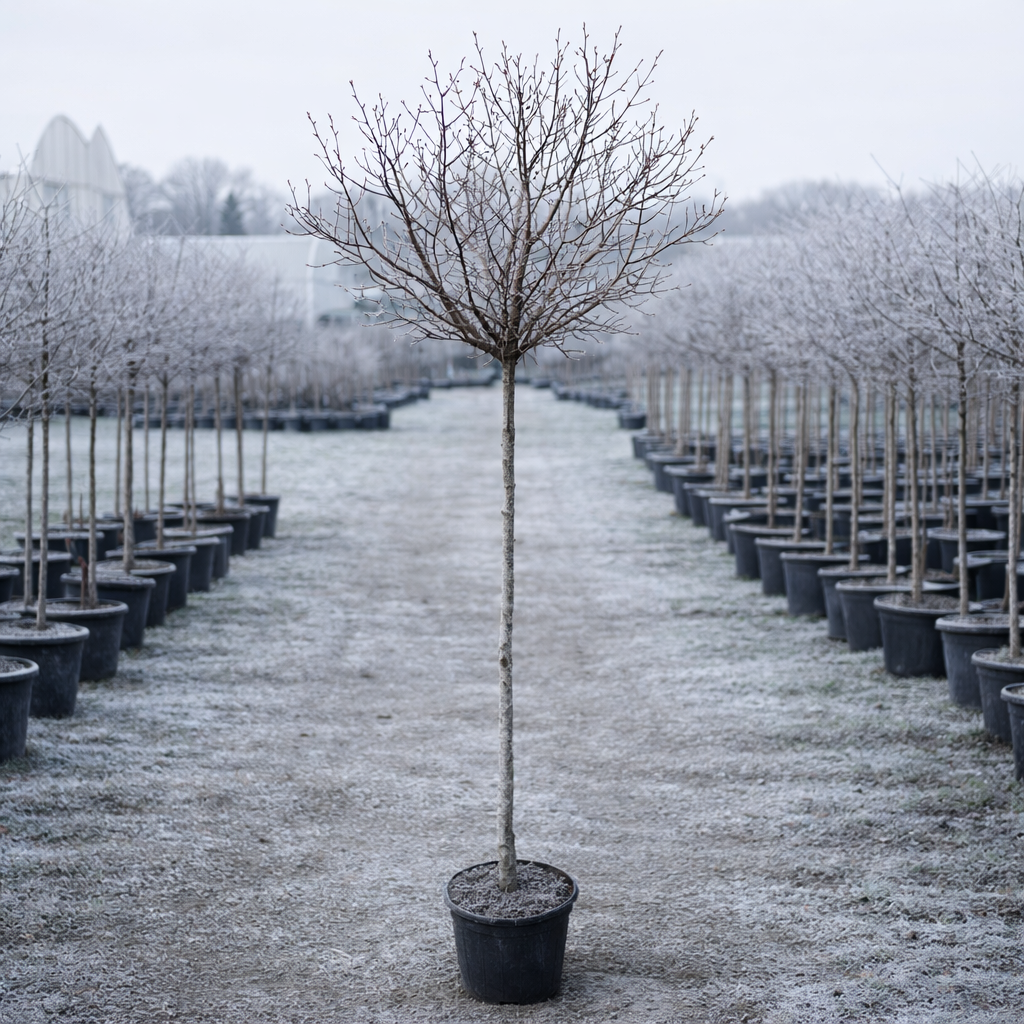
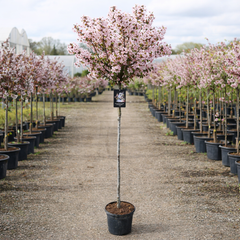
Prunus 'Nigra' Ornamental Cherry Blossom Tree
Prunus nigra, commonly known as the Canada Plum, is a hardy ornamental and fruiting tree valued for its early spring blossom, attractive form, and wildlife-friendly nature. Native to North America, it is particularly well suited to cool climates and exposed...
- £54.99
- £54.99
- Unit price
- per
Delivered within 4-5 working days
£6.99 for DHL next day service. Pay one delivery fee for any amount of plants & accessories.

 Ask Leafy.AI
Prunus nigra, commonly known as the Canada Plum, is a hardy ornamental and fruiting tree valued for its early spring blossom, attractive form, and wildlife-friendly nature. Native to North America, it is particularly well suited to cool climates and exposed sites, making it an excellent choice for UK gardens looking for a robust yet decorative tree.
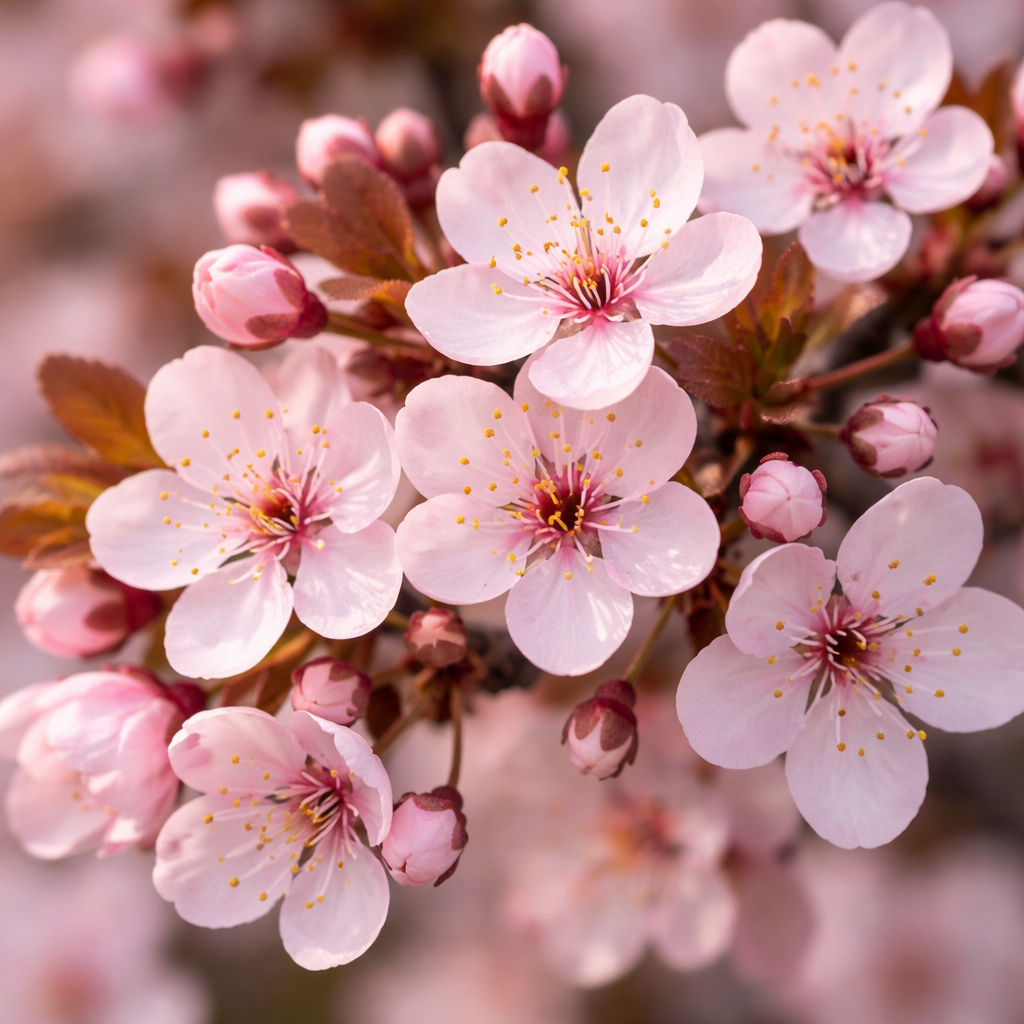
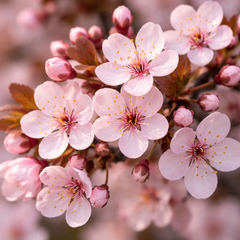
In early spring, often before many other trees have woken up, Prunus nigra produces a profusion of white to soft pink blossoms on bare branches. These nectar-rich flowers are highly attractive to pollinators and create a light, elegant display that signals the start of the growing season.
As the year progresses, mid-green foliage develops, forming a rounded, spreading canopy. If conditions are favourable, the tree may produce small, dark purple-red plums later in the season, which are popular with birds and can also be used for jams and preserves. In autumn, the leaves turn yellow to warm amber tones, adding another layer of seasonal interest.
Prunus nigra is a versatile tree that works equally well as a specimen, within mixed borders, or as part of a wildlife-friendly or naturalistic planting scheme.
Key Features
-
Hardy ornamental and fruiting plum tree
-
Early white to pale pink spring blossom
-
Attractive to bees and pollinators
-
Potential for small edible plums
-
Good autumn leaf colour
-
Ideal for wildlife and natural gardens
-
Tolerant of cold and exposed sites
Mature Size (Approx.)
-
Height: 5–7 metres
-
Spread: 4–6 metres
Naturally forms a rounded, spreading canopy over time.
Prunus nigra Care Guide
Position & Light
-
Best grown in full sun or light partial shade
-
A sunny position encourages better flowering and fruiting
-
Tolerant of exposed and cooler locations once established
Soil
-
Prefers well-drained, moderately fertile soil
-
Adapts well to loam, clay, or sandy soils
-
Avoid waterlogged ground, particularly in winter
Planting
-
Dig a hole twice the width of the root ball
-
Improve soil with compost or well-rotted organic matter
-
Plant at the same depth as grown in the nursery
-
Firm in gently, water well, and apply mulch around the base
Watering
-
Water regularly during the first growing season
-
Once established, watering is only required during prolonged dry spells
-
Mulching helps retain moisture and suppress weeds
Feeding
-
Feed in early spring with a balanced fertiliser
-
An annual mulch will support healthy growth and flowering
Pruning
-
Minimal pruning required
-
Prune lightly in late summer if needed to remove dead, damaged, or crossing branches
-
Avoid winter pruning to reduce the risk of silver leaf disease
Hardiness
-
Fully hardy in the UK
-
Exceptionally cold-tolerant and reliable
Pests & Diseases
-
Generally resilient and low maintenance
-
May occasionally experience aphids or leaf spot
-
Good airflow and correct planting conditions reduce issues
Ideal Uses
-
Specimen tree for medium to large gardens
-
Wildlife-friendly and natural planting schemes
-
Mixed borders and orchard-style gardens
-
Rural, exposed, or colder garden locations
-
Pollinator-supporting landscapes
Why Choose Prunus nigra?
Prunus nigra is an excellent choice if you want a tough, reliable tree that delivers early blossom, supports wildlife, and offers subtle seasonal beauty throughout the year. Its resilience, natural charm, and ecological value make it a standout option for gardeners who value both form and function. 🌸🌳
At Plants for all Seasons, we take pride in our eco-friendly approach to packaging. Our custom-made plant boxes are designed with both the environment and your plants' wellbeing in mind. Here’s what makes our packaging special:
Upright and Fresh: Our innovative design ensures that your plants remain upright and fresh during transit. Specially engineered compartments and supports within the box prevent movement and damage, so your plants arrive in perfect condition.
100% Recyclable: Our plant boxes are fully recyclable, ensuring that after they have served their purpose, they can be responsibly disposed of without harming the planet.
Made from Recycled Materials: Sustainability is at the core of our values. That’s why our packaging is crafted from recycled materials, reducing waste and promoting a circular economy.
By choosing our products, you are not only enhancing your garden with beautiful plants but also contributing to a greener, more sustainable future
Upright and Fresh: Our innovative design ensures that your plants remain upright and fresh during transit. Specially engineered compartments and supports within the box prevent movement and damage, so your plants arrive in perfect condition.
100% Recyclable: Our plant boxes are fully recyclable, ensuring that after they have served their purpose, they can be responsibly disposed of without harming the planet.
Made from Recycled Materials: Sustainability is at the core of our values. That’s why our packaging is crafted from recycled materials, reducing waste and promoting a circular economy.
By choosing our products, you are not only enhancing your garden with beautiful plants but also contributing to a greener, more sustainable future
Plastic Nursery Pots: All our plants are supplied in practical plastic nursery pots. If you prefer a more decorative option, we offer a range of stylish pots available for purchase separately.
Non-Consumable: Please note that our plants are intended for ornamental purposes only unless specifically stated as edible. Ensure you check product descriptions carefully if you are looking for edible varieties.
Variable Heights: The height of our plants can vary by approximately +/- 10%. This natural fluctuation ensures you receive a unique and healthy specimen.
Plant Pot Sizes: Pot sizes may vary by approximately +/- 1cm. To ensure a proper fit, we recommend selecting a decorative pot that is 1-2cm larger than the stated plant pot size. For instance, if you purchase a plant in a 17cm pot, a 18 - 19cm decorative pot would be ideal.
Non-Consumable: Please note that our plants are intended for ornamental purposes only unless specifically stated as edible. Ensure you check product descriptions carefully if you are looking for edible varieties.
Variable Heights: The height of our plants can vary by approximately +/- 10%. This natural fluctuation ensures you receive a unique and healthy specimen.
Plant Pot Sizes: Pot sizes may vary by approximately +/- 1cm. To ensure a proper fit, we recommend selecting a decorative pot that is 1-2cm larger than the stated plant pot size. For instance, if you purchase a plant in a 17cm pot, a 18 - 19cm decorative pot would be ideal.
Browse our Ornamental tree range
View all Ornamental TreesPrunus ‘Amanogawa’ Ornamental Flagpole Cherry Blossom Tree
- From £64.99
- From £64.99
- Unit price
- per
Prunus 'Kiku Shidare Zakura' Ornamental Cherry Blossom Tree
- £64.99
- £64.99
- Unit price
- per
Prunus 'Nigra' Ornamental Cherry Blossom Tree
- £54.99
- £54.99
- Unit price
- per
Salix integra ‘Hakuro-nishiki’ Flamingo Willow Tree
- £44.99
- £44.99
- Unit price
- per
Prunus ‘Kojo-no-mai’ Ornamental Cherry Blossom Tree
- £59.99
- £59.99
- Unit price
- per
- Choosing a selection results in a full page refresh.
