





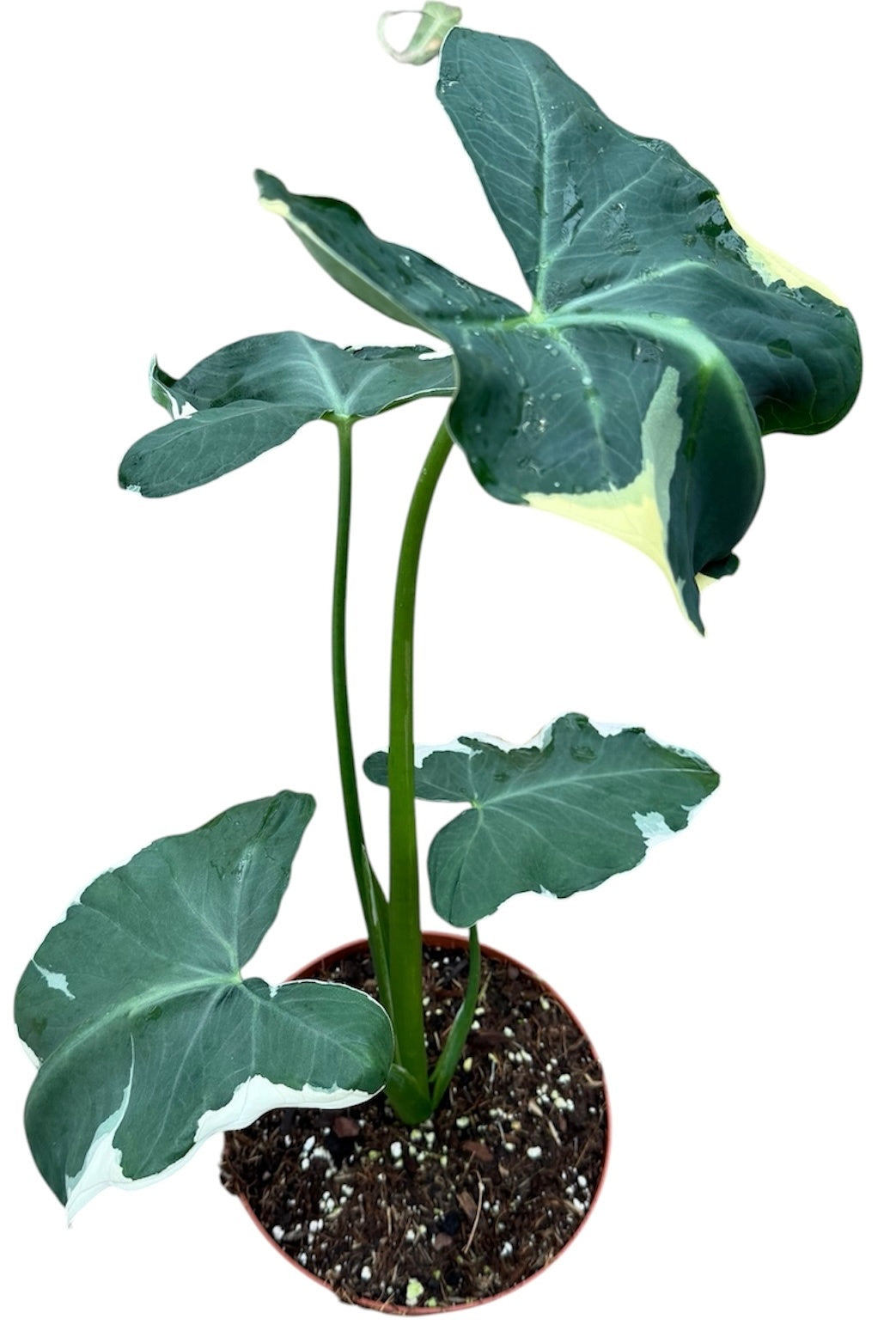
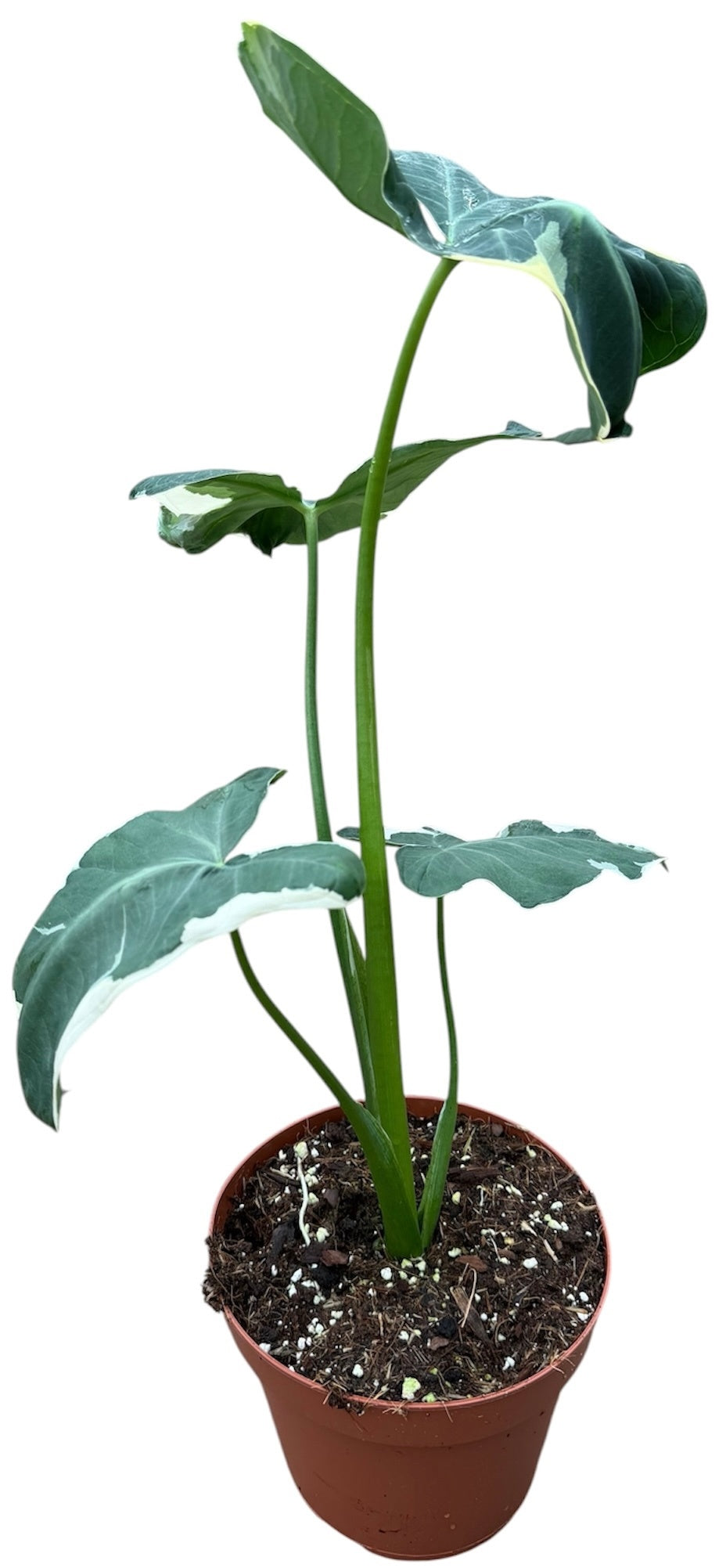
Alocasia Mickey Mouse 17cm Pot House Plant

Live Delivery Guarantee
At Plants for all Seasons, we stand behind the quality and vitality of every plant we deliver, which is why we proudly offer a Live Delivery Guarantee. This commitment means that we guarantee your plants will arrive at your doorstep in healthy, thriving condition. We understand the importance of receiving your plants in the best possible state, ready to enhance your space from the moment they arrive. With Plants for all Seasons's Live Delivery Guarantee, you can shop with complete peace of mind, knowing that your green investments are protected from our nursery to your doorstep.

30 Days Returns
Due to the sensitive and breakable nature of our products, it's understandable that damages may occur despite our meticulous packaging methods. If you find that your plant or pot has arrived in a less than satisfactory condition, please reach out to us at hello@plantsforallseasons.co.uk within a month of your delivery date. When contacting us, please provide your order reference, alongside a photo clearly showing the damaged item and its packaging, including the delivery label. We are committed to resolving such issues by offering a refund or a replacement, depending on the availability of the item in question.
We are unable to accept returns that are not related to damage because plants are inherently perishable and delicate. It's also worth noting that the plant you receive may slightly differ from the images displayed on our website. This variation is natural, given that each plant is unique and subject to seasonal growth changes.

Safe and Secure Delivery
At Plants for all Seasons, we recognise the critical role our courier partners play in ensuring the safe and secure delivery of your plants. We collaborate exclusively with leading courier services, renowned for their reliability and exceptional handling practices, to ensure your plants arrive in perfect condition. Our partners are carefully selected based on their commitment to timely deliveries and their proven track record in transporting delicate items with the utmost care.

Bespoke Eco Packaging
At Plants for all Seasons, our commitment to the environment extends to every aspect of our operations, especially in how we deliver your plants. We take pride in our bespoke, eco-friendly packaging, meticulously designed for the safe transport of live plants. Our innovative packaging solutions are crafted from sustainable materials, ensuring that your plants are not only secure but also that their journey from our nursery to your home treads lightly on the earth. This thoughtful approach minimises stress on the plants and reduces waste, aligning with our mission to promote a greener, more sustainable future.
Alocasia ‘Mickey Mouse’ Description Alocasia ‘Mickey Mouse’ is a quirky variegated elephant ear with broad, irregularly shaped leaves patterned in rich green, creamy white and pale yellow. Its unusual foliage makes every leaf look different, giving the plant a playful...
- £35.00
£49.99- £35.00
- Unit price
- per
Delivered within 4-5 working days
These plants are kept in optimal conditions at their specialist growers until ordered. This means they take little longer to be delivered, but quality is assured. Please allow up to 5 working days for these to be delivered.
£6.99 for DHL next day service. Pay one delivery fee for any amount of plants & accessories.
£6.99 for DHL next day service. Pay one delivery fee for any amount of plants & accessories.

 Ask Leafy.AI
Alocasia ‘Mickey Mouse’
Description
Alocasia ‘Mickey Mouse’ is a quirky variegated elephant ear with broad, irregularly shaped leaves patterned in rich green, creamy white and pale yellow. Its unusual foliage makes every leaf look different, giving the plant a playful character unlike any traditional Alocasia.
The leaves begin with a broad, arrow-shaped base before narrowing into a slender, curling tip. Some leaves also develop rounded cups or lobes near the tip, creating the ear-like shape that inspired the name ‘Mickey Mouse’. This irregular growth is known as a monstrose form and is a natural characteristic of the plant.
Cream and white variegation can appear as margins, splashes, sectors or mottled patches across the foliage. The amount of variegation varies naturally from leaf to leaf, so some may be predominantly green while others display large areas of cream.
Despite its common name, this plant is not a true Alocasia. Its accepted botanical name is Xanthosoma sagittifolium ‘Variegatum Monstrosum’. It is also sold as Xanthosoma ‘Mickey Mouse’, Xanthosoma albomarginata and Mickey Mouse Taro. It belongs to the same wider aroid family and requires similar warm, humid growing conditions.
This fast-growing plant develops from an underground tuber and gradually forms an upright clump. Under favourable indoor conditions, a mature specimen can reach approximately one metre tall, while plants grown in tropical climates may become even larger.
Please note that every plant is unique. The amount and placement of the variegation, the leaf shape and the number of stems will vary naturally between individual plants.
Alocasia ‘Mickey Mouse’ Care Guide
Light
Provide bright, indirect or filtered light. Good light is particularly important for variegated plants because the cream areas contain less chlorophyll and cannot photosynthesise as efficiently as green tissue.
An east-facing window is ideal. A position near a south- or west-facing window can also work if strong midday sunlight is filtered with a sheer curtain.
Avoid prolonged direct sunlight, which can scorch the pale sections of the leaves. Very low light should also be avoided, as it can result in weaker growth, smaller leaves and reduced variegation.
Rotate the pot regularly to encourage even growth.
Watering
Water when the top 2–4cm of compost feels dry. Water thoroughly until excess moisture begins to drain from the bottom of the nursery pot, then allow it to drain completely.
Keep the compost lightly and consistently moist during active growth, but never permanently wet or waterlogged. Xanthosoma ‘Mickey Mouse’ appreciates regular moisture but its underground tuber and fleshy roots can rot in saturated compost.
Reduce watering during autumn and winter when growth slows. Always check the compost before watering rather than following a fixed schedule.
Room-temperature rainwater or filtered water is ideal. Avoid using very cold water, as this can shock the roots.
Humidity
Alocasia ‘Mickey Mouse’ prefers moderate to high humidity. Aim for approximately 50–60% humidity or above to encourage healthy growth and reduce the risk of dry leaf edges.
A humidifier provides the most reliable results. Grouping tropical plants together or placing the plant in a bright kitchen or bathroom can also help.
Keep it away from radiators, heaters, fans, air-conditioning units and persistent draughts. Good airflow remains important, particularly in humid environments.
Temperature
Maintain a stable temperature between approximately 18°C and 28°C. Avoid allowing the temperature to fall below 15°C for extended periods.
Protect the plant from cold windows, exterior doors and sudden temperature changes. Cold conditions can cause leaf loss, root damage and dormancy.
Warmth is particularly important for young plants, newly divided offsets and plants recovering from transport.
Compost
Use a fertile, airy and free-draining potting mixture that retains some moisture. A suitable blend can include:
- Peat-free houseplant compost
- Fine orchid bark
- Perlite or pumice
- Coco coir
- A small amount of horticultural charcoal
The mixture should remain lightly moist without becoming dense or waterlogged. Always use a nursery pot with adequate drainage holes.
Feeding
Feed once every three to four weeks during spring and summer using a balanced liquid houseplant fertiliser. Apply it to already-moist compost and follow the manufacturer’s recommended dilution rate.
This can be a fast-growing plant and benefits from regular nutrition while producing new leaves. However, excessive fertiliser can damage the roots or cause brown leaf edges.
Reduce or stop feeding during autumn and winter if growth slows.
Repotting
Repot every one to two years, or when the roots have filled the nursery pot and are beginning to emerge through the drainage holes.
Spring and early summer are the best times to repot. Choose a container only a few centimetres wider than the existing pot. An excessively large pot can hold too much moisture around the roots.
As mature plants can become tall and top-heavy, use a stable nursery pot placed inside a substantial decorative container.
Variegation
The green, cream and white pattern will vary naturally between leaves. No two plants or leaves will be identical.
Bright indirect light helps the plant support its variegated foliage, but additional light will not necessarily create more white colouring. The amount of variegation is largely determined by the plant’s genetics and growing points.
Leaves containing large white or cream sections may be more delicate and can develop brown areas more quickly than greener leaves. Completely cream leaves contain very little chlorophyll and may not remain healthy for as long.
An occasional greener leaf is normal. If the plant begins producing only green leaves, monitor the next few leaves before considering any pruning, as cutting the plant does not guarantee that stronger variegation will return.
Growth and Leaf Shape
New leaves emerge tightly rolled before gradually opening and hardening. Their markings and unusual shape become clearer as the foliage matures.
Avoid touching or attempting to open a new leaf manually. Young leaves are extremely soft and can be permanently damaged.
The distinctive cups, lobes and curling tips are natural characteristics of this cultivar. They are not signs of disease, pest damage or incorrect care.
Pruning and Cleaning
Regular pruning is not required. Remove leaves once they have turned completely yellow, become badly damaged or naturally reached the end of their life.
Cut the leaf stem close to the base using clean, sharp scissors. Wear gloves and avoid contact with the sap.
Wipe the foliage gently with a soft, damp cloth to remove dust. Support the leaf from underneath while cleaning, as the irregular tips can be delicate.
Avoid using chemical leaf-shine products.
Winter Dormancy
Growth may slow considerably during autumn and winter. The plant may produce fewer leaves or lose some of its existing foliage as natural light and temperatures fall.
Reduce watering and stop feeding if the plant is no longer actively growing. Keep it in a warm, bright position away from cold draughts.
A leafless plant is not necessarily dead. If the underground tuber remains firm and healthy, new growth may emerge when warmth and brighter conditions return.
Do not keep a dormant plant in wet compost, as inactive roots will use much less moisture.
Common Problems
Yellow leaves: An occasional yellow older leaf is normal. Several yellow leaves can indicate overwatering, poor drainage, cold conditions or insufficient light.
Brown areas on the white variegation: Pale sections are naturally more delicate. Browning may be caused by dry air, inconsistent watering, excessive fertiliser, mineral build-up or physical damage.
Drooping leaves: The plant may be thirsty, overwatered, cold or adjusting to a change in its environment. Check the compost before adding more water.
Curling leaves: Some curling is a natural feature of this cultivar. General curling across the entire leaf can also indicate dry air, underwatering or heat stress.
Small or weak new leaves: This may be caused by insufficient light, low temperatures, a lack of nutrients or an underdeveloped root system.
Soft stems or an unpleasant smell from the compost: These can indicate root or tuber rot. Remove the plant from its pot, inspect the roots and cut away any soft, rotten material before repotting into fresh, airy compost.
Water droplets on the leaf tips: Elephant ear plants can release excess moisture through their leaves in a natural process called guttation. Occasional droplets are normal, but frequent guttation may indicate that the compost is remaining too wet.
Pests
Alocasia ‘Mickey Mouse’ can be susceptible to spider mites, thrips, mealybugs and scale insects.
Inspect the undersides of the leaves, leaf joints and new growth regularly. Fine webbing, pale speckling, silvery marks, sticky residue or distorted foliage can indicate a pest problem.
Isolate affected plants from the rest of your collection and begin treatment promptly.
Propagation
Alocasia ‘Mickey Mouse’ can be propagated by separating established offsets or dividing the underground tuber.
Propagation is best carried out during spring or early summer. Separate offsets carefully, retaining as many healthy roots as possible, and pot them individually into an airy growing medium.
Newly divided plants should be kept warm and humid in bright, indirect light while their roots become established.
The plant cannot be propagated from a leaf or petiole cutting alone. Each new plant requires a viable offset or growing section of the underground tuber.
Toxicity
Alocasia ‘Mickey Mouse’ is harmful if eaten and may irritate the mouth, skin or eyes. Keep it out of reach of children and pets.
At Plants for all Seasons, we take pride in our eco-friendly approach to packaging. Our custom-made plant boxes are designed with both the environment and your plants' wellbeing in mind. Here’s what makes our packaging special:
Upright and Fresh: Our innovative design ensures that your plants remain upright and fresh during transit. Specially engineered compartments and supports within the box prevent movement and damage, so your plants arrive in perfect condition.
100% Recyclable: Our plant boxes are fully recyclable, ensuring that after they have served their purpose, they can be responsibly disposed of without harming the planet.
Made from Recycled Materials: Sustainability is at the core of our values. That’s why our packaging is crafted from recycled materials, reducing waste and promoting a circular economy.
Winter Shipping: We offer additional heat packs in winter to keep your plants nice and warm on their travels. Add one heat pack per plant when checking out in winter months.
By choosing our products, you are not only enhancing your home with beautiful plants but also contributing to a greener, more sustainable future
Check out our YouTube video to see exactly how we pack for safe delivery.
At Plants for all Seasons, we offer a specialist range of plants that are kept at their growers until ordered, ensuring they remain in their ideal conditions. This unique approach means that these plants receive expert care right up until the moment they are prepared for delivery.
Our dedicated growers are passionate about their craft and maintain the perfect environment for each species in this range, ensuring that every plant is healthy, vibrant, and ready to thrive in your home or garden.
Delivery and Quality Assurance We understand that receiving your plants in excellent condition is crucial. While delivery for this specialist range can take up to 7 days, we assure you that this time is used to carefully select, prepare, and package your plants to maintain their health and vitality during transit.
Our commitment to quality means that every plant in this range is thoroughly inspected before it leaves the grower, ensuring it meets our high standards. You can trust that your new plant will arrive ready to flourish, bringing beauty and life to your space.
Tropical Glasshouse Nursery: Our plants are nurtured in our tropical glasshouse nursery located in Lincolnshire, where we maintain an average temperature of 16°C. We do not use cold warehouses, ensuring optimal conditions for plant health.
Plastic Nursery Pots: All our plants are supplied in practical plastic nursery pots. If you prefer a more decorative option, we offer a range of stylish pots available for purchase separately.
Non-Consumable: Please note that our plants are intended for ornamental purposes only unless specifically stated as edible. Ensure you check product descriptions carefully if you are looking for edible varieties.
Variable Heights: The height of our plants can vary by approximately +/- 10%. This natural fluctuation ensures you receive a unique and healthy specimen.
Plant Pot Sizes: Pot sizes may vary by approximately +/- 1cm. To ensure a proper fit, we recommend selecting a decorative pot that is 1-2cm larger than the stated plant pot size. For instance, if you purchase a plant in a 17cm pot, a 18 - 19cm decorative pot would be ideal.
Quarantining: All our houseplants are regularly sprayed with a preventative systemic bug treatment. We do our best to ensure a bug free growing environment however sometimes these can unfortunately be missed, as such we always recommend quarantining plants when they first enter your home and checking them upon arrival for bugs.
Fresh from the Grower
View all Houseplants Fresh from the GrowerHoya Kaikoeana Splash Sp Dahlia 8cm Pot House Plant
- £30.00
£44.99- £30.00
- Unit price
- per
Begonia Umbrella Hybrid 8cm Pot House Plant
- £25.00
£34.99- £25.00
- Unit price
- per
Hoya Latifolia Albomarginata 8cm Pot House Plant
- £25.00
£39.99- £25.00
- Unit price
- per
Hoya Sp Loei 8cm Pot House Plant
- £25.00
£39.99- £25.00
- Unit price
- per
Hoya Red Moon 8cm Pot House Plant
- £25.00
£34.99- £25.00
- Unit price
- per
Begonia Hairy Dots 8cm Pot House Plant
- £25.00
£34.99- £25.00
- Unit price
- per
Hoya Hoya Verticillata Nganjuk Splash 10.5cm Pot House Plant
- £25.00
£34.99- £25.00
- Unit price
- per
Begonia Betsi 8cm Pot 10cm Height House Plant
- £25.00
£34.99- £25.00
- Unit price
- per
Sansevieria Cleopatra 6cm Pot House Plant
- £25.00
£34.99- £25.00
- Unit price
- per
Labisia SP No ID 8cm Pot House Plant
- £25.00
£34.99- £25.00
- Unit price
- per
Hoya Rangsang 8cm Pot House Plant
- £25.00
£34.99- £25.00
- Unit price
- per
Alocasia Mickey Mouse 17cm Pot House Plant
- £35.00
£49.99- £35.00
- Unit price
- per
Alocasia Lime 17cm Pot House Plant
- £30.00
£49.99- £30.00
- Unit price
- per
Alocasia Puncak Borneensis 17cm Pot House Plant
- £30.00
£25.00- £30.00
- Unit price
- per
Alocasia Portei 17cm Pot House Plant
- £30.00
£44.99- £30.00
- Unit price
- per
New Houseplants in Stock
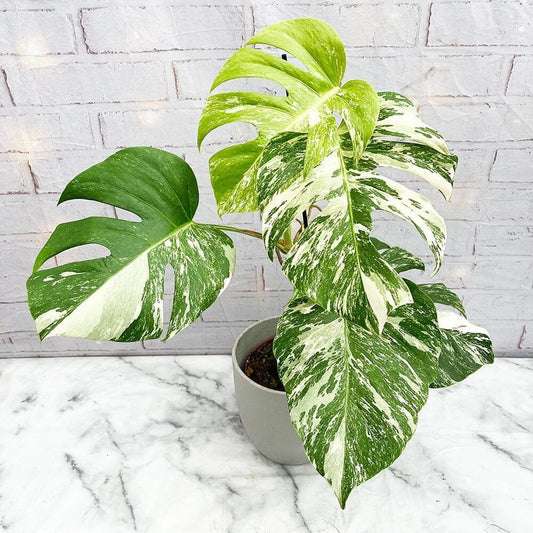
View all New Houseplants in Stock40 - 50cm Variegated Monstera - Monstera Variegata Albo Cheese Plant 17cm Pot House Plant
- £30.00
£44.99- £30.00
- Unit price
- per
Variegated Alocasia Frydek Elephant Ear Albo Variegata 9cm Pot
- £19.99
£49.99- £19.99
- Unit price
- per
Monstera Thai Constellation Cheese Plant Variegated House Plant
- From £8.99
£19.99- From £8.99
- Unit price
- per
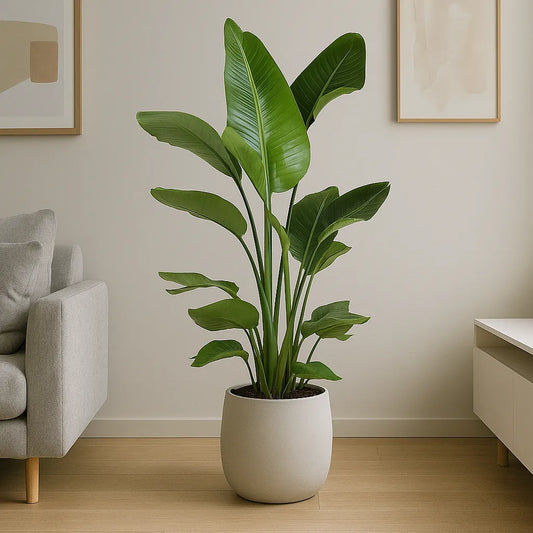
Strelitzia Nicolai Bird of Paradise House Plant
- From £9.99
£19.99- From £9.99
- Unit price
- per
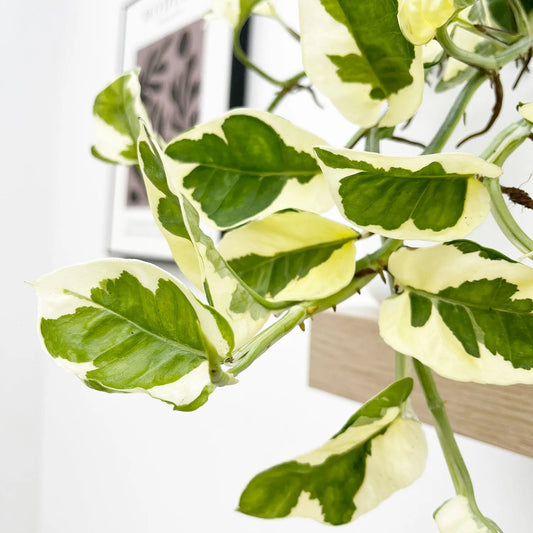
15 - 25cm Epipremnum Njoy Pothos 12cm Pot House Plant
- £9.99
£14.99- £9.99
- Unit price
- per
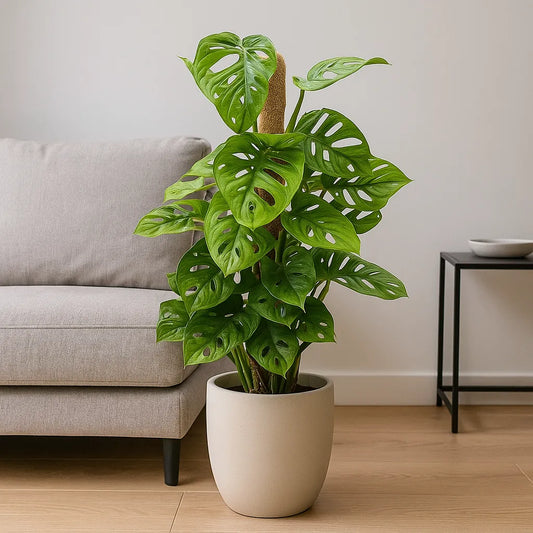
Monstera Adansonii Monkey Mask House Plant
- From £9.99
£14.99- From £9.99
- Unit price
- per
15 - 25cm Epipremnum Happy Leaf Pothos 12cm Pot House Plant
- £9.99
£14.99- £9.99
- Unit price
- per
15 - 25cm Philodendron Brazil Pothos 12cm Pot House Plant
- £9.99
£14.99- £9.99
- Unit price
- per
20 - 30cm Philodendron Micans Pothos 10cm Pot House Plant
- £14.99
£19.99- £14.99
- Unit price
- per
15 - 25cm Epipremnum Neon Pothos 12cm Pot House Plant
- £9.99
£14.99- £9.99
- Unit price
- per
Monstera Deliciosa Swiss Cheese Plant House Plant
- From £9.99
£14.99- From £9.99
- Unit price
- per
15 - 25cm Epipremnum Aureum Pothos 12cm Pot House Plant
- £9.99
£14.99- £9.99
- Unit price
- per
Pachira Aquatica Money Tree House Plant
- From £14.99
£24.99- From £14.99
- Unit price
- per
Monstera Deliciosa on Mosspole Swiss Cheese Plant House Plant
- From £30.00
£39.99- From £30.00
- Unit price
- per
25cm Monstera Thai Constellation Cheese Plant Variegated 11cm Pot House Plant
- £14.00
£24.99- £14.00
- Unit price
- per
- Choosing a selection results in a full page refresh.
