




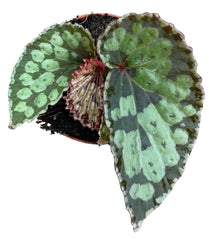
Begonia Umbrella Hybrid 8cm Pot House Plant

Live Delivery Guarantee
At Plants for all Seasons, we stand behind the quality and vitality of every plant we deliver, which is why we proudly offer a Live Delivery Guarantee. This commitment means that we guarantee your plants will arrive at your doorstep in healthy, thriving condition. We understand the importance of receiving your plants in the best possible state, ready to enhance your space from the moment they arrive. With Plants for all Seasons's Live Delivery Guarantee, you can shop with complete peace of mind, knowing that your green investments are protected from our nursery to your doorstep.

30 Days Returns
Due to the sensitive and breakable nature of our products, it's understandable that damages may occur despite our meticulous packaging methods. If you find that your plant or pot has arrived in a less than satisfactory condition, please reach out to us at hello@plantsforallseasons.co.uk within a month of your delivery date. When contacting us, please provide your order reference, alongside a photo clearly showing the damaged item and its packaging, including the delivery label. We are committed to resolving such issues by offering a refund or a replacement, depending on the availability of the item in question.
We are unable to accept returns that are not related to damage because plants are inherently perishable and delicate. It's also worth noting that the plant you receive may slightly differ from the images displayed on our website. This variation is natural, given that each plant is unique and subject to seasonal growth changes.

Safe and Secure Delivery
At Plants for all Seasons, we recognise the critical role our courier partners play in ensuring the safe and secure delivery of your plants. We collaborate exclusively with leading courier services, renowned for their reliability and exceptional handling practices, to ensure your plants arrive in perfect condition. Our partners are carefully selected based on their commitment to timely deliveries and their proven track record in transporting delicate items with the utmost care.

Bespoke Eco Packaging
At Plants for all Seasons, our commitment to the environment extends to every aspect of our operations, especially in how we deliver your plants. We take pride in our bespoke, eco-friendly packaging, meticulously designed for the safe transport of live plants. Our innovative packaging solutions are crafted from sustainable materials, ensuring that your plants are not only secure but also that their journey from our nursery to your home treads lightly on the earth. This thoughtful approach minimises stress on the plants and reduces waste, aligning with our mission to promote a greener, more sustainable future.
Begonia ‘Umbrella Hybrid’ Description Begonia ‘Umbrella Hybrid’ is a rare and highly distinctive foliage Begonia, named for the unusual way its broad leaves are positioned on their stems. The leaf stalk attaches close to the centre of the underside of...
- £25.00
£34.99- £25.00
- Unit price
- per
Delivered within 4-5 working days
These plants are kept in optimal conditions at their specialist growers until ordered. This means they take little longer to be delivered, but quality is assured. Please allow up to 5 working days for these to be delivered.
£6.99 for DHL next day service. Pay one delivery fee for any amount of plants & accessories.
£6.99 for DHL next day service. Pay one delivery fee for any amount of plants & accessories.

 Ask Leafy.AI
Begonia ‘Umbrella Hybrid’
Description
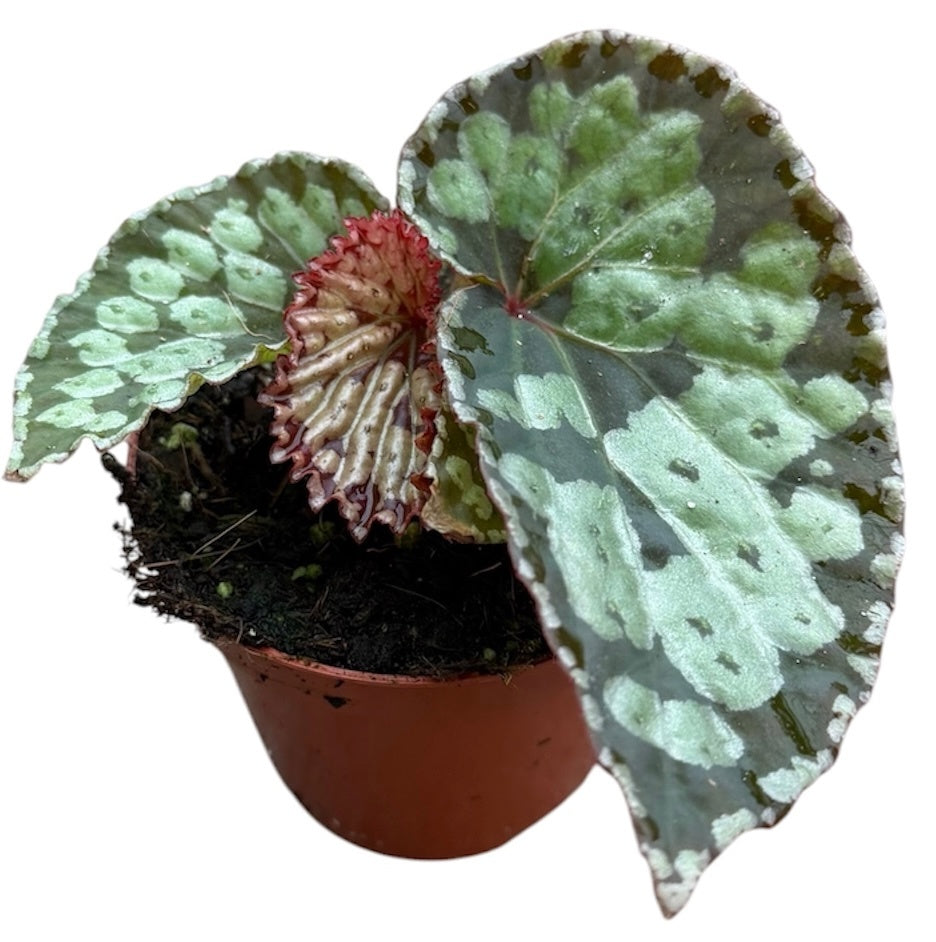
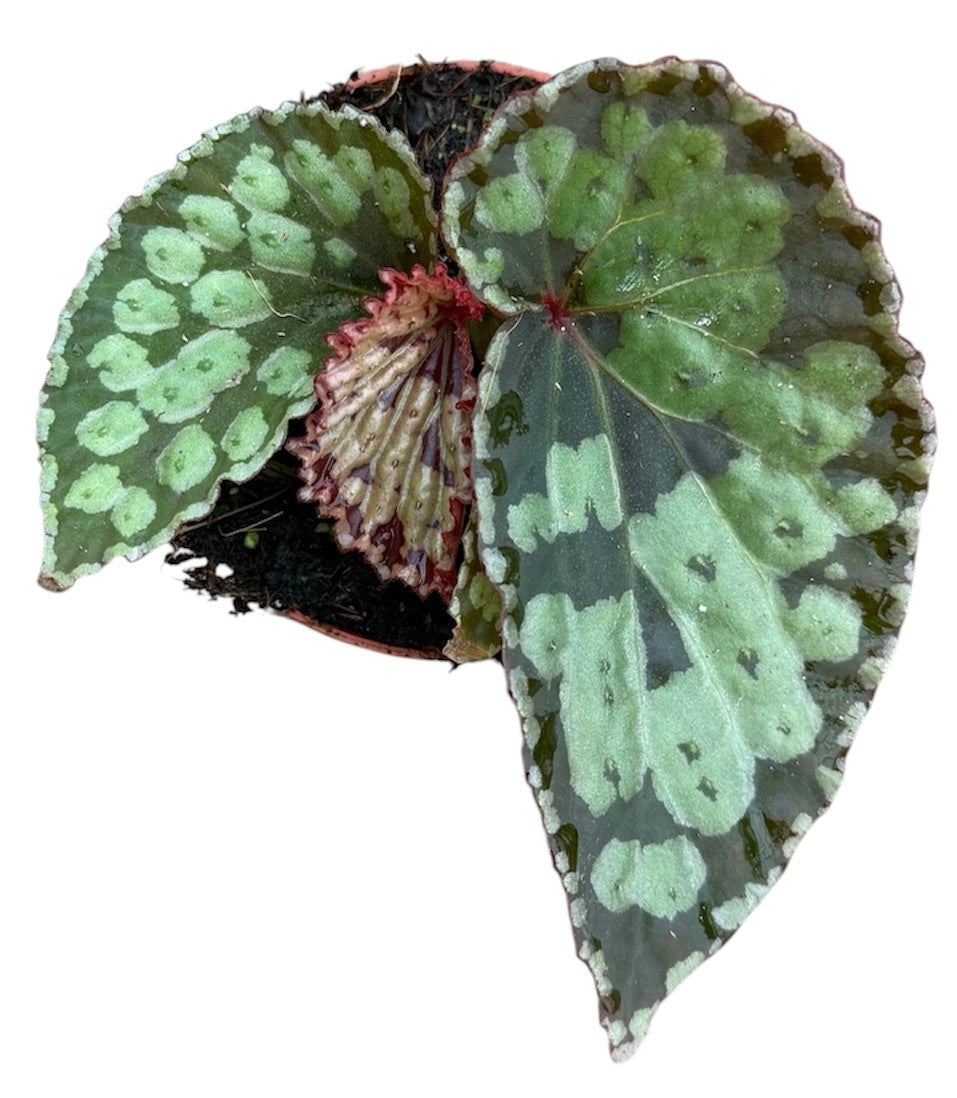
Begonia ‘Umbrella Hybrid’ is a rare and highly distinctive foliage Begonia, named for the unusual way its broad leaves are positioned on their stems. The leaf stalk attaches close to the centre of the underside of the blade, creating a peltate or umbrella-like form.
The rounded leaves develop a richly textured surface with changing shades of deep green, olive, bronze, silver and burgundy. Pale green or silvery markings can appear across the darker background, while the edges and undersides may display warm red or burgundy colouring. The precise pattern varies naturally between leaves and becomes more pronounced as the plant matures.
New leaves can emerge in brighter green, copper or red shades before gradually developing their mature colouring. The pattern and intensity are influenced by the plant’s genetics, light levels and growing conditions, so every specimen will look slightly different.
This is a compact Begonia that is particularly well suited to terrariums, plant cabinets and controlled indoor growing environments. It generally reaches approximately 20–30cm tall, although its eventual size will depend on the particular hybrid and the conditions provided.
The commercial name ‘Umbrella Hybrid’ does not appear to have formally published parentage. It is likely connected to the group of unusual peltate Begonias circulated as Begonia sp. ‘Umbrella’, but it should not automatically be treated as the same plant as the unidentified wild form from Kalimantan. The name is best retained as the horticultural label under which the hybrid is sold.
Small Begonia flowers may appear once the plant is mature, but it is selected primarily for its foliage. Flower colour and form may vary because the hybrid’s parentage has not been reliably documented.
Care Guide
Light
Provide bright to medium indirect light. The plant requires enough light to maintain compact growth and develop its characteristic foliage pattern, but it should be protected from strong direct sunshine.
A position close to an east- or north-facing window is suitable. It can also be placed farther back from a brighter south- or west-facing window.
Direct midday sun can scorch the leaves, causing bleached, brown or crispy areas. If introducing gentle morning or late-afternoon sunshine, do so gradually and monitor the foliage closely.
A suitable grow light can be used inside a terrarium or plant cabinet. Keep the plant far enough from the light to prevent bleaching, heat stress or dry leaf margins.
Watering
Keep the growing mixture evenly and lightly moist, allowing the upper 1–2cm to begin drying before watering again. Do not allow the entire root ball to remain completely dry for an extended period.
Water carefully at compost level until the mixture is evenly moistened. Allow all excess water to drain from the pot.
Begonias have fine roots that can rot quickly in saturated compost. Never leave the plant standing in water or place it in a container without drainage unless it is part of a carefully managed terrarium system.
Avoid watering over the leaves or into the crown. Water trapped on textured foliage can encourage leaf spotting, fungal disease and bacterial damage.
Reduce watering during winter or whenever cooler temperatures and lower light cause the growing mixture to dry more slowly.
Humidity
Moderate to high humidity is strongly recommended. Aim for approximately 60–80%, with the higher end of this range being particularly beneficial for young or recently acclimatised plants.
A terrarium, plant cabinet or humid growing area is often the easiest way to maintain consistent conditions. An established hybrid may adapt to household humidity, but dry air can cause crispy leaf edges, curling and damaged new growth.
High humidity must be combined with gentle air circulation. Completely sealed or stagnant conditions can encourage mildew, leaf spotting and stem rot.
Avoid relying on misting. Misting only increases humidity briefly and can leave water trapped on the leaves. A humidifier is a more reliable option for plants grown outside an enclosure.
Temperature
Maintain temperatures between approximately 18°C and 26°C. Warm, stable conditions encourage the healthiest growth and foliage development.
Protect the plant from prolonged temperatures below 15°C. Avoid cold draughts, open windows during winter and sudden changes in temperature.
Cold conditions are particularly dangerous when the growing mixture is wet. The combination of low temperature and excess moisture can cause rapid root or stem deterioration.
Keep the plant away from radiators and direct heating vents, which can dry the foliage and compost too quickly.
Compost
Use a fine-textured but airy growing mixture that retains moisture without becoming waterlogged. The roots need consistent moisture as well as access to oxygen.
A suitable mixture can include:
- Peat-free houseplant compost
- Coco coir
- Perlite or fine pumice
- Fine orchid bark
- Chopped sphagnum moss
- A small amount of horticultural charcoal
The finished mixture should feel light and springy rather than heavy or muddy. Avoid dense compost that compacts around the fine roots.
Always use a pot with adequate drainage holes.
Feeding
Feed lightly during spring and summer using a balanced liquid houseplant fertiliser diluted to approximately one-quarter or half of the recommended strength.
Apply feed every three to four weeks while the plant is actively growing. Avoid applying fertiliser to completely dry compost.
Begonia roots are sensitive to excessive fertiliser. Concentrated feeding can cause root damage, brown leaf margins and a white mineral crust on the compost.
Reduce or stop feeding during winter unless the plant remains warm, well-lit and visibly active.
Repotting
Repot only when the plant has filled its existing container or the growing mixture has started to compact and drain poorly.
Choose a new pot only slightly larger than the current one. An oversized container holds excess moisture around the roots and increases the risk of rot.
Handle the root system and stems carefully, as Begonias can be brittle. Spring or early summer is the best time to repot because the plant can recover while actively growing.
Avoid repotting immediately after delivery unless there is a clear problem with the compost or root system. Allow the plant time to acclimatise first.
Growth Habit
Begonia Umbrella Hybrid generally forms a compact clump of leaves held on individual stems. The distinctive central attachment of the leaf stalk creates its umbrella-like appearance.
Provide enough room for the leaves to spread without repeatedly touching walls, terrarium glass or neighbouring plants. Constant contact can damage the foliage and trap moisture.
Rotate the pot occasionally if the plant is growing unevenly towards its light source. Avoid frequent repositioning if it is already growing successfully.
Older leaves may gradually move outwards as new growth develops from the centre or rhizome. This is normal and contributes to the plant’s layered appearance.
At Plants for all Seasons, we take pride in our eco-friendly approach to packaging. Our custom-made plant boxes are designed with both the environment and your plants' wellbeing in mind. Here’s what makes our packaging special:
Upright and Fresh: Our innovative design ensures that your plants remain upright and fresh during transit. Specially engineered compartments and supports within the box prevent movement and damage, so your plants arrive in perfect condition.
100% Recyclable: Our plant boxes are fully recyclable, ensuring that after they have served their purpose, they can be responsibly disposed of without harming the planet.
Made from Recycled Materials: Sustainability is at the core of our values. That’s why our packaging is crafted from recycled materials, reducing waste and promoting a circular economy.
Winter Shipping: We offer additional heat packs in winter to keep your plants nice and warm on their travels. Add one heat pack per plant when checking out in winter months.
By choosing our products, you are not only enhancing your home with beautiful plants but also contributing to a greener, more sustainable future
Check out our YouTube video to see exactly how we pack for safe delivery.
At Plants for all Seasons, we offer a specialist range of plants that are kept at their growers until ordered, ensuring they remain in their ideal conditions. This unique approach means that these plants receive expert care right up until the moment they are prepared for delivery.
Our dedicated growers are passionate about their craft and maintain the perfect environment for each species in this range, ensuring that every plant is healthy, vibrant, and ready to thrive in your home or garden.
Delivery and Quality Assurance We understand that receiving your plants in excellent condition is crucial. While delivery for this specialist range can take up to 7 days, we assure you that this time is used to carefully select, prepare, and package your plants to maintain their health and vitality during transit.
Our commitment to quality means that every plant in this range is thoroughly inspected before it leaves the grower, ensuring it meets our high standards. You can trust that your new plant will arrive ready to flourish, bringing beauty and life to your space.
Tropical Glasshouse Nursery: Our plants are nurtured in our tropical glasshouse nursery located in Lincolnshire, where we maintain an average temperature of 16°C. We do not use cold warehouses, ensuring optimal conditions for plant health.
Plastic Nursery Pots: All our plants are supplied in practical plastic nursery pots. If you prefer a more decorative option, we offer a range of stylish pots available for purchase separately.
Non-Consumable: Please note that our plants are intended for ornamental purposes only unless specifically stated as edible. Ensure you check product descriptions carefully if you are looking for edible varieties.
Variable Heights: The height of our plants can vary by approximately +/- 10%. This natural fluctuation ensures you receive a unique and healthy specimen.
Plant Pot Sizes: Pot sizes may vary by approximately +/- 1cm. To ensure a proper fit, we recommend selecting a decorative pot that is 1-2cm larger than the stated plant pot size. For instance, if you purchase a plant in a 17cm pot, a 18 - 19cm decorative pot would be ideal.
Quarantining: All our houseplants are regularly sprayed with a preventative systemic bug treatment. We do our best to ensure a bug free growing environment however sometimes these can unfortunately be missed, as such we always recommend quarantining plants when they first enter your home and checking them upon arrival for bugs.
Fresh from the Grower
View all Houseplants Fresh from the GrowerHoya Kaikoeana Splash Sp Dahlia 8cm Pot House Plant
- £30.00
£44.99- £30.00
- Unit price
- per
Begonia Umbrella Hybrid 8cm Pot House Plant
- £25.00
£34.99- £25.00
- Unit price
- per
Hoya Latifolia Albomarginata 8cm Pot House Plant
- £25.00
£39.99- £25.00
- Unit price
- per
Hoya Sp Loei 8cm Pot House Plant
- £25.00
£39.99- £25.00
- Unit price
- per
Hoya Red Moon 8cm Pot House Plant
- £25.00
£34.99- £25.00
- Unit price
- per
Begonia Hairy Dots 8cm Pot House Plant
- £25.00
£34.99- £25.00
- Unit price
- per
Hoya Hoya Verticillata Nganjuk Splash 10.5cm Pot House Plant
- £25.00
£34.99- £25.00
- Unit price
- per
Begonia Betsi 8cm Pot 10cm Height House Plant
- £25.00
£34.99- £25.00
- Unit price
- per
Sansevieria Cleopatra 6cm Pot House Plant
- £25.00
£34.99- £25.00
- Unit price
- per
Labisia SP No ID 8cm Pot House Plant
- £25.00
£34.99- £25.00
- Unit price
- per
Hoya Rangsang 8cm Pot House Plant
- £25.00
£34.99- £25.00
- Unit price
- per
Alocasia Mickey Mouse 17cm Pot House Plant
- £35.00
£49.99- £35.00
- Unit price
- per
Alocasia Lime 17cm Pot House Plant
- £30.00
£49.99- £30.00
- Unit price
- per
Alocasia Puncak Borneensis 17cm Pot House Plant
- £30.00
£25.00- £30.00
- Unit price
- per
Alocasia Portei 17cm Pot House Plant
- £30.00
£44.99- £30.00
- Unit price
- per
New Houseplants in Stock
View all New Houseplants in Stock40 - 50cm Variegated Monstera - Monstera Variegata Albo Cheese Plant 17cm Pot House Plant
- £30.00
£44.99- £30.00
- Unit price
- per
Variegated Alocasia Frydek Elephant Ear Albo Variegata 9cm Pot
- £19.99
£49.99- £19.99
- Unit price
- per
Monstera Thai Constellation Cheese Plant Variegated House Plant
- From £8.99
£19.99- From £8.99
- Unit price
- per
Strelitzia Nicolai Bird of Paradise House Plant
- From £9.99
£19.99- From £9.99
- Unit price
- per
15 - 25cm Epipremnum Njoy Pothos 12cm Pot House Plant
- £9.99
£14.99- £9.99
- Unit price
- per
Monstera Adansonii Monkey Mask House Plant
- From £9.99
£14.99- From £9.99
- Unit price
- per
15 - 25cm Epipremnum Happy Leaf Pothos 12cm Pot House Plant
- £9.99
£14.99- £9.99
- Unit price
- per
15 - 25cm Philodendron Brazil Pothos 12cm Pot House Plant
- £9.99
£14.99- £9.99
- Unit price
- per
20 - 30cm Philodendron Micans Pothos 10cm Pot House Plant
- £14.99
£19.99- £14.99
- Unit price
- per
15 - 25cm Epipremnum Neon Pothos 12cm Pot House Plant
- £9.99
£14.99- £9.99
- Unit price
- per
Monstera Deliciosa Swiss Cheese Plant House Plant
- From £9.99
£14.99- From £9.99
- Unit price
- per
15 - 25cm Epipremnum Aureum Pothos 12cm Pot House Plant
- £9.99
£14.99- £9.99
- Unit price
- per
Pachira Aquatica Money Tree House Plant
- From £14.99
£24.99- From £14.99
- Unit price
- per
Monstera Deliciosa on Mosspole Swiss Cheese Plant House Plant
- From £30.00
£39.99- From £30.00
- Unit price
- per
25cm Monstera Thai Constellation Cheese Plant Variegated 11cm Pot House Plant
- £14.00
£24.99- £14.00
- Unit price
- per
- Choosing a selection results in a full page refresh.
