







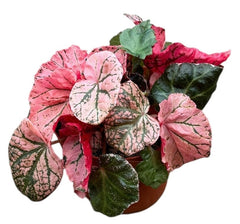
Begonia Midnight Sun 14cm Pot 25cm Height House Plant

Live Delivery Guarantee
At Plants for all Seasons, we stand behind the quality and vitality of every plant we deliver, which is why we proudly offer a Live Delivery Guarantee. This commitment means that we guarantee your plants will arrive at your doorstep in healthy, thriving condition. We understand the importance of receiving your plants in the best possible state, ready to enhance your space from the moment they arrive. With Plants for all Seasons's Live Delivery Guarantee, you can shop with complete peace of mind, knowing that your green investments are protected from our nursery to your doorstep.

30 Days Returns
Due to the sensitive and breakable nature of our products, it's understandable that damages may occur despite our meticulous packaging methods. If you find that your plant or pot has arrived in a less than satisfactory condition, please reach out to us at hello@plantsforallseasons.co.uk within a month of your delivery date. When contacting us, please provide your order reference, alongside a photo clearly showing the damaged item and its packaging, including the delivery label. We are committed to resolving such issues by offering a refund or a replacement, depending on the availability of the item in question.
We are unable to accept returns that are not related to damage because plants are inherently perishable and delicate. It's also worth noting that the plant you receive may slightly differ from the images displayed on our website. This variation is natural, given that each plant is unique and subject to seasonal growth changes.

Safe and Secure Delivery
At Plants for all Seasons, we recognise the critical role our courier partners play in ensuring the safe and secure delivery of your plants. We collaborate exclusively with leading courier services, renowned for their reliability and exceptional handling practices, to ensure your plants arrive in perfect condition. Our partners are carefully selected based on their commitment to timely deliveries and their proven track record in transporting delicate items with the utmost care.

Bespoke Eco Packaging
At Plants for all Seasons, our commitment to the environment extends to every aspect of our operations, especially in how we deliver your plants. We take pride in our bespoke, eco-friendly packaging, meticulously designed for the safe transport of live plants. Our innovative packaging solutions are crafted from sustainable materials, ensuring that your plants are not only secure but also that their journey from our nursery to your home treads lightly on the earth. This thoughtful approach minimises stress on the plants and reduces waste, aligning with our mission to promote a greener, more sustainable future.
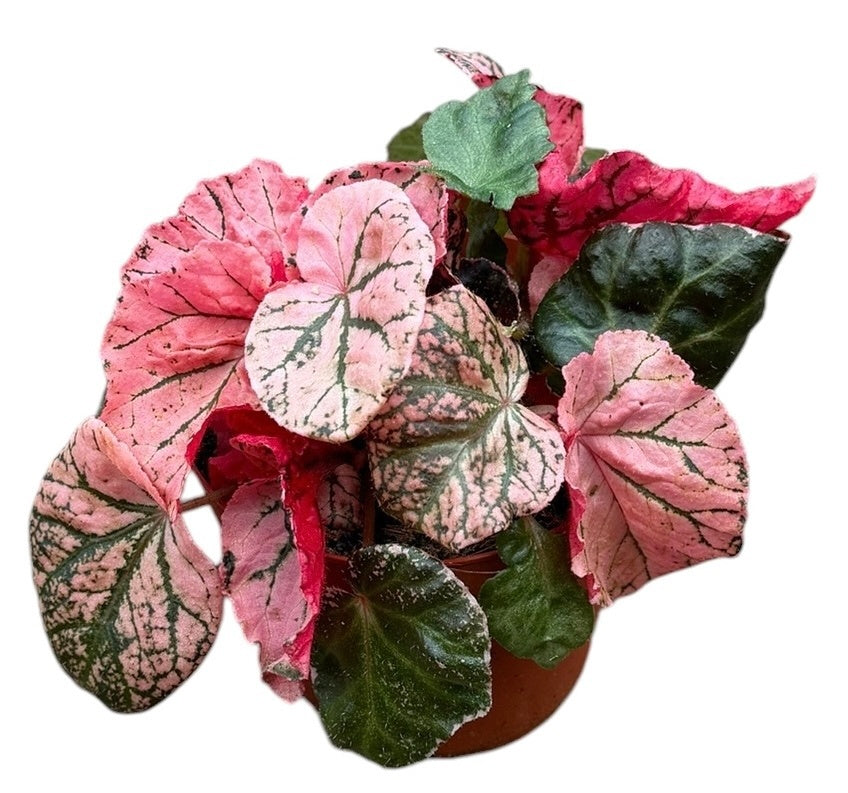
Begonia ‘Midnight Sun’ is a striking ornamental foliage plant prized for its rich colouring and beautifully patterned leaves. Its foliage can display an evolving mixture of moss green, deep burgundy, pink, red and creamy white, often enhanced by contrasting veins...
- £50.00
£25.00- £50.00
- Unit price
- per
Delivered within 4-5 working days
These plants are kept in optimal conditions at their specialist growers until ordered. This means they take little longer to be delivered, but quality is assured. Please allow up to 5 working days for these to be delivered.
£6.99 for DHL next day service. Pay one delivery fee for any amount of plants & accessories.
£6.99 for DHL next day service. Pay one delivery fee for any amount of plants & accessories.

 Ask Leafy.AI
Begonia ‘Midnight Sun’ is a striking ornamental foliage plant prized for its rich colouring and beautifully patterned leaves. Its foliage can display an evolving mixture of moss green, deep burgundy, pink, red and creamy white, often enhanced by contrasting veins and a softly textured surface.
New leaves may emerge in brighter shades of pink or red before developing deeper green and bronze tones as they mature. The precise colour and pattern will vary between individual leaves and can also change according to the plant’s age, light level and growing conditions. This natural variation means every plant has its own distinctive appearance.
‘Midnight Sun’ grows from a creeping rhizome and forms a compact, spreading plant rather than a climbing vine. Its colourful foliage makes it ideal for shelves, desktops, decorative pots and indoor plant displays. It can also perform well in a warm plant cabinet or terrarium with suitable ventilation.
Although primarily grown for its foliage, an established plant may produce clusters of delicate flowers. These are an attractive additional feature, but the leaves remain the main attraction.
Please note that leaf colour, markings, shape and size will naturally vary. Some older leaves may become greener as they mature, which is a normal part of the plant’s development rather than necessarily a sign of reversion.
Detailed Care Guide
Light
Position Begonia ‘Midnight Sun’ in bright, indirect light. Good filtered light will help maintain its strong colouring and compact growth.
An east-facing window with gentle morning sun is often ideal. It can also be placed near a north-, west- or south-facing window, provided intense sunlight is filtered or the plant is positioned farther back.
Avoid prolonged direct sunlight, particularly during the middle of the day. Strong sun can scorch the delicate leaves, fade their colours and create dry, bleached patches.
Insufficient light may cause:
- Duller or greener foliage
- Smaller leaves
- Weak, stretched growth
- Longer leaf stalks
- Reduced flowering
A suitable grow light can help maintain healthy growth during darker months.
Watering
Water when the upper 1–2cm of the growing medium feels slightly dry. Aim to keep the soil lightly and evenly moist without allowing it to remain saturated.
Water thoroughly, allowing the excess to drain completely from the pot. Never leave the plant standing in water inside a saucer or decorative container.
Begonias have fine roots and fleshy rhizomes that can rot when kept too wet. However, allowing the soil to dry out completely can cause the leaves to wilt and develop crispy edges.
Water around the edge of the pot rather than directly over the rhizome. Avoid repeatedly wetting the leaves and crown, particularly in cool conditions or where airflow is limited.
Reduce watering during winter when growth naturally slows.
Humidity
Begonia ‘Midnight Sun’ prefers moderate to high humidity, ideally between 50% and 70%.
Higher humidity can support healthy leaf development and help prevent brown, crispy edges. However, good airflow is equally important. Permanently stagnant, humid conditions can encourage powdery mildew and other fungal problems.
A humidifier is the most reliable way to increase humidity. The plant may also benefit from being grouped with other tropical plants.
Avoid misting the leaves frequently, as moisture remaining on the textured foliage can cause spotting or fungal damage.
Temperature
Maintain a stable temperature of approximately 18–26°C. Protect the plant from temperatures below 15°C, sudden changes in temperature and cold draughts.
Avoid positioning it beside radiators, air-conditioning units or frequently opened doors. If displayed on a windowsill, make sure its leaves do not touch cold glass during winter.
Soil
Use a light, airy and moisture-retentive growing medium that drains freely. A suitable mixture may contain:
- High-quality houseplant compost or coco coir
- Perlite or pumice
- Fine orchid bark
- A small amount of sphagnum moss
- Horticultural charcoal
The mixture should hold enough moisture for the plant’s fine roots without becoming compacted or waterlogged.
A relatively relatively shallow pot can be suitable because rhizomatous Begonias tend to spread horizontally rather than producing an exceptionally deep root system. Drainage holes are essential.
Feeding
Feed every two to four weeks during spring and summer with a balanced liquid houseplant fertiliser diluted according to the manufacturer’s instructions.
Do not apply concentrated fertiliser to dry soil, as this can damage the fine roots. Overfeeding can also cause brown leaf edges or weak growth.
Reduce or stop feeding during autumn and winter if the plant is no longer actively producing leaves.
Repotting
Repot when the roots have filled the existing container or the growing medium has started to break down. Begonia ‘Midnight Sun’ does not need frequent repotting and often grows well when slightly pot-bound.
Choose a pot only slightly larger than the existing container. An oversized pot will hold more moisture than the roots can use, increasing the risk of rot.
Spring is generally the best time to repot. Position the rhizome close to the surface rather than burying it deeply beneath the growing medium.
Growth Habit
Begonia ‘Midnight Sun’ grows from a fleshy rhizome that moves horizontally across the surface of the soil. It does not need a moss pole or climbing support.
As the plant develops, the rhizome may reach the edge of the pot. At this stage, the plant can be moved into a slightly wider container or divided to produce multiple plants.
A wide, relatively shallow pot is often more suitable than a narrow, deep one.
Pruning
Remove damaged, yellow or dying leaves using clean, sharp scissors. Cut the leaf stalk close to the rhizome without damaging surrounding growth.
Regularly removing deteriorating foliage helps improve airflow around the plant and reduces the chance of fungal problems.
If the plant becomes sparse or uneven, it can be lightly pruned during active growth to encourage fresh development from the rhizome.
Flowers
An established Begonia ‘Midnight Sun’ may produce clusters of small flowers on slender stems. Flowering is more likely when the plant receives good indirect light and consistent care.
The flowers can be left on the plant or removed if you would prefer it to direct more energy towards foliage production. Use clean scissors and cut the flower stem close to its base once the flowers have faded.
Propagation
Begonia ‘Midnight Sun’ can be propagated from rhizome divisions or healthy leaf cuttings.
To divide the rhizome, carefully separate a healthy section containing roots and at least one growing point. Pot it into a small container filled with a light, airy growing medium.
Leaf cuttings can be placed into lightly moist compost, sphagnum moss or another suitable propagation medium. Keep them warm and humid in bright, indirect light.
Propagation containers should have some ventilation. Excessively wet, stagnant conditions can cause cuttings to rot before new plants develop.
Cleaning the Leaves
The leaves can be delicate, so handle them carefully. Remove loose dust using a soft brush or gently wipe the foliage with a slightly damp cloth.
Support each leaf from underneath while cleaning and avoid scrubbing its textured surface. Do not use commercial leaf-shine products.
Common Problems
Brown, crispy leaf edges: Usually associated with low humidity, underwatering, hard water or excess fertiliser.
Yellow leaves: May indicate overwatering, compacted soil or poor drainage. An occasional older yellow leaf is normal.
Wilting: Check the soil before watering. Both dryness and root damage caused by overwatering can result in wilted foliage.
Faded or scorched patches: Usually caused by excessive direct sunlight.
Dull or increasingly green foliage: The plant may need brighter indirect light, although some greening of older leaves can be a normal part of their development.
Soft rhizomes or stems: This usually indicates rot caused by excessive moisture. Remove affected material and repot healthy sections into fresh growing medium.
White powder on the leaves: This may be powdery mildew, which is encouraged by humid conditions combined with inadequate airflow.
Dropping leaves after arrival: Begonias can react to transport and environmental changes. Keep the plant warm, provide stable humidity and avoid overwatering while it acclimatises.
Pests
Inspect the plant regularly for spider mites, thrips, mealybugs, aphids and fungus gnats. Check the undersides of the leaves, new growth and the area around the rhizome.
Isolate affected plants and treat them promptly with an appropriate houseplant pest treatment. Repeated applications may be necessary to interrupt the pest’s lifecycle.
Toxicity
Begonias contain calcium oxalates and are considered toxic if eaten, with the highest concentration generally found in the underground parts of the plant.
Keep Begonia ‘Midnight Sun’ away from children and pets. Wash your hands after pruning, dividing or repotting the plant.
At Plants for all Seasons, we take pride in our eco-friendly approach to packaging. Our custom-made plant boxes are designed with both the environment and your plants' wellbeing in mind. Here’s what makes our packaging special:
Upright and Fresh: Our innovative design ensures that your plants remain upright and fresh during transit. Specially engineered compartments and supports within the box prevent movement and damage, so your plants arrive in perfect condition.
100% Recyclable: Our plant boxes are fully recyclable, ensuring that after they have served their purpose, they can be responsibly disposed of without harming the planet.
Made from Recycled Materials: Sustainability is at the core of our values. That’s why our packaging is crafted from recycled materials, reducing waste and promoting a circular economy.
Winter Shipping: We offer additional heat packs in winter to keep your plants nice and warm on their travels. Add one heat pack per plant when checking out in winter months.
By choosing our products, you are not only enhancing your home with beautiful plants but also contributing to a greener, more sustainable future
Check out our YouTube video to see exactly how we pack for safe delivery.
Upright and Fresh: Our innovative design ensures that your plants remain upright and fresh during transit. Specially engineered compartments and supports within the box prevent movement and damage, so your plants arrive in perfect condition.
100% Recyclable: Our plant boxes are fully recyclable, ensuring that after they have served their purpose, they can be responsibly disposed of without harming the planet.
Made from Recycled Materials: Sustainability is at the core of our values. That’s why our packaging is crafted from recycled materials, reducing waste and promoting a circular economy.
Winter Shipping: We offer additional heat packs in winter to keep your plants nice and warm on their travels. Add one heat pack per plant when checking out in winter months.
By choosing our products, you are not only enhancing your home with beautiful plants but also contributing to a greener, more sustainable future
Check out our YouTube video to see exactly how we pack for safe delivery.
At Plants for all Seasons, we offer a specialist range of plants that are kept at their growers until ordered, ensuring they remain in their ideal conditions. This unique approach means that these plants receive expert care right up until the moment they are prepared for delivery.
Our dedicated growers are passionate about their craft and maintain the perfect environment for each species in this range, ensuring that every plant is healthy, vibrant, and ready to thrive in your home or garden.
Delivery and Quality Assurance We understand that receiving your plants in excellent condition is crucial. While delivery for this specialist range can take up to 7 days, we assure you that this time is used to carefully select, prepare, and package your plants to maintain their health and vitality during transit.
Our commitment to quality means that every plant in this range is thoroughly inspected before it leaves the grower, ensuring it meets our high standards. You can trust that your new plant will arrive ready to flourish, bringing beauty and life to your space.
Our dedicated growers are passionate about their craft and maintain the perfect environment for each species in this range, ensuring that every plant is healthy, vibrant, and ready to thrive in your home or garden.
Delivery and Quality Assurance We understand that receiving your plants in excellent condition is crucial. While delivery for this specialist range can take up to 7 days, we assure you that this time is used to carefully select, prepare, and package your plants to maintain their health and vitality during transit.
Our commitment to quality means that every plant in this range is thoroughly inspected before it leaves the grower, ensuring it meets our high standards. You can trust that your new plant will arrive ready to flourish, bringing beauty and life to your space.
Tropical Glasshouse Nursery: Our plants are nurtured in our tropical glasshouse nursery located in Lincolnshire, where we maintain an average temperature of 16°C. We do not use cold warehouses, ensuring optimal conditions for plant health.
Plastic Nursery Pots: All our plants are supplied in practical plastic nursery pots. If you prefer a more decorative option, we offer a range of stylish pots available for purchase separately.
Non-Consumable: Please note that our plants are intended for ornamental purposes only unless specifically stated as edible. Ensure you check product descriptions carefully if you are looking for edible varieties.
Variable Heights: The height of our plants can vary by approximately +/- 10%. This natural fluctuation ensures you receive a unique and healthy specimen.
Plant Pot Sizes: Pot sizes may vary by approximately +/- 1cm. To ensure a proper fit, we recommend selecting a decorative pot that is 1-2cm larger than the stated plant pot size. For instance, if you purchase a plant in a 17cm pot, a 18 - 19cm decorative pot would be ideal.
Quarantining: All our houseplants are regularly sprayed with a preventative systemic bug treatment. We do our best to ensure a bug free growing environment however sometimes these can unfortunately be missed, as such we always recommend quarantining plants when they first enter your home and checking them upon arrival for bugs.
Plastic Nursery Pots: All our plants are supplied in practical plastic nursery pots. If you prefer a more decorative option, we offer a range of stylish pots available for purchase separately.
Non-Consumable: Please note that our plants are intended for ornamental purposes only unless specifically stated as edible. Ensure you check product descriptions carefully if you are looking for edible varieties.
Variable Heights: The height of our plants can vary by approximately +/- 10%. This natural fluctuation ensures you receive a unique and healthy specimen.
Plant Pot Sizes: Pot sizes may vary by approximately +/- 1cm. To ensure a proper fit, we recommend selecting a decorative pot that is 1-2cm larger than the stated plant pot size. For instance, if you purchase a plant in a 17cm pot, a 18 - 19cm decorative pot would be ideal.
Quarantining: All our houseplants are regularly sprayed with a preventative systemic bug treatment. We do our best to ensure a bug free growing environment however sometimes these can unfortunately be missed, as such we always recommend quarantining plants when they first enter your home and checking them upon arrival for bugs.
Fresh from the Grower
View all Houseplants Fresh from the GrowerAlocasia Shattered Glass House Plant 8cm Pot
- £50.00
£70.00- £50.00
- Unit price
- per
Alocasia New Guinea Gold 17cm Pot 45cm Height House Plant
- £50.00
£25.00- £50.00
- Unit price
- per
Alocasia Odora Variegata Batik 17cm Pot 45cm Height House Plant
- £50.00
£25.00- £50.00
- Unit price
- per
Begonia Cream Powder 14cm Pot 35cm Height House Plant
- £40.00
£25.00- £40.00
- Unit price
- per
Alocasia Macrorhiza Variegata 17cm Pot 45cm Height House Plant
- £50.00
£25.00- £50.00
- Unit price
- per
Begonia Morris 14cm Pot 35cm Height House Plant
- £40.00
£25.00- £40.00
- Unit price
- per
Begonia Midnight Sun 14cm Pot 25cm Height House Plant
- £50.00
£25.00- £50.00
- Unit price
- per
Monstera Devil Monster Cheese Plant - 8cm Pot
- £300.00
£500.00- £300.00
- Unit price
- per
Monstera Electro Light Cheese Plant - 6cm Pot
- £100.00
£170.00- £100.00
- Unit price
- per
Anthurium Double - Wendlingeri & Vittarifolium - 6cm Pots
- £30.00
£50.00- £30.00
- Unit price
- per
Begonia Jalau Type 2 8cm Pot 10cm Height House Plant
- £19.99
£24.99- £19.99
- Unit price
- per
Begonia Lamriana Silver 8cm Pot 10cm Height House Plant
- £19.99
£24.99- £19.99
- Unit price
- per
Begonia Malachosticta 8cm Pot 10cm Height House Plant
- £19.99
£24.99- £19.99
- Unit price
- per
Begonia Midnight Sun 8cm Pot 10cm Height House Plant
- £19.99
£24.99- £19.99
- Unit price
- per
Begonia Snow Hare 8cm Pot 10cm Height House Plant
- £19.99
£24.99- £19.99
- Unit price
- per
New Houseplants in Stock
View all New Houseplants in Stock40 - 50cm Variegated Monstera - Monstera Variegata Albo Cheese Plant 17cm Pot House Plant
- £35.00
£44.99- £35.00
- Unit price
- per
Monstera Thai Constellation Cheese Plant Variegated House Plant
- From £8.99
£19.99- From £8.99
- Unit price
- per
Strelitzia Nicolai Bird of Paradise House Plant
- From £8.99
£19.99- From £8.99
- Unit price
- per
15 - 25cm Epipremnum Njoy Pothos 12cm Pot House Plant
- £8.99
£14.99- £8.99
- Unit price
- per
Monstera Adansonii Monkey Mask House Plant
- From £8.99
£14.99- From £8.99
- Unit price
- per
15 - 25cm Epipremnum Happy Leaf Pothos 12cm Pot House Plant
- £8.99
£14.99- £8.99
- Unit price
- per
15 - 25cm Philodendron Brazil Pothos 12cm Pot House Plant
- £8.99
£14.99- £8.99
- Unit price
- per
Monstera Deliciosa Swiss Cheese Plant House Plant
- From £8.99
£14.99- From £8.99
- Unit price
- per
15 - 25cm Epipremnum Aureum Pothos 12cm Pot House Plant
- £8.99
£14.99- £8.99
- Unit price
- per
15 - 25cm Epipremnum Neon Pothos 12cm Pot House Plant
- £8.99
£14.99- £8.99
- Unit price
- per
Pachira Aquatica Money Tree House Plant
- From £16.99
£24.99- From £16.99
- Unit price
- per
Monstera Deliciosa on Mosspole Swiss Cheese Plant House Plant
- From £30.00
£39.99- From £30.00
- Unit price
- per
25cm Monstera Thai Constellation Cheese Plant Variegated 11cm Pot House Plant
- £11.00
£24.99- £11.00
- Unit price
- per
Variegated Alocasia Frydek Elephant Ear Albo Variegata 9cm Pot
- £19.99
£49.99- £19.99
- Unit price
- per
Croton Mammi Codiaeum House Plant
- From £9.99
£14.99- From £9.99
- Unit price
- per
- Choosing a selection results in a full page refresh.
