





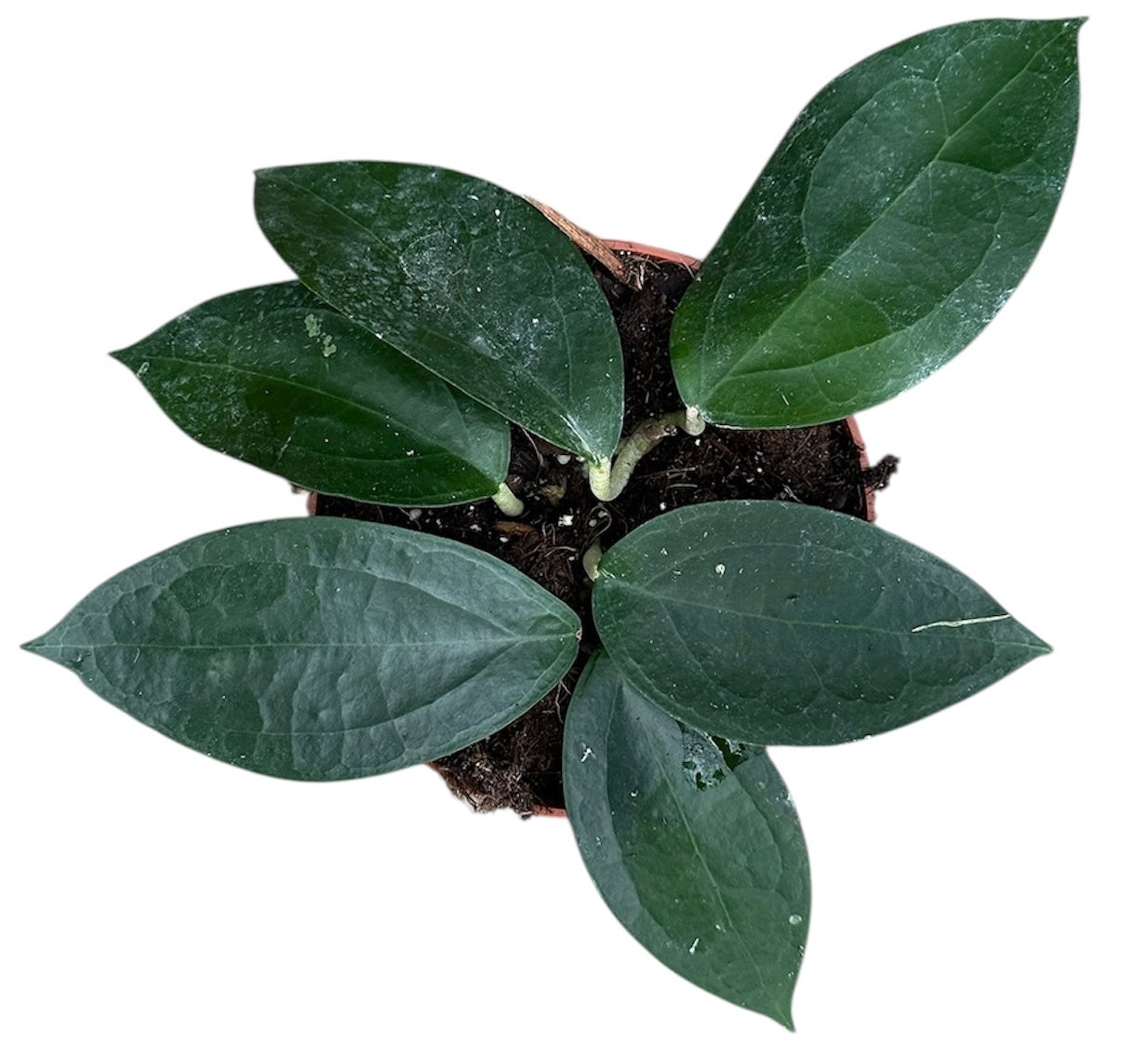
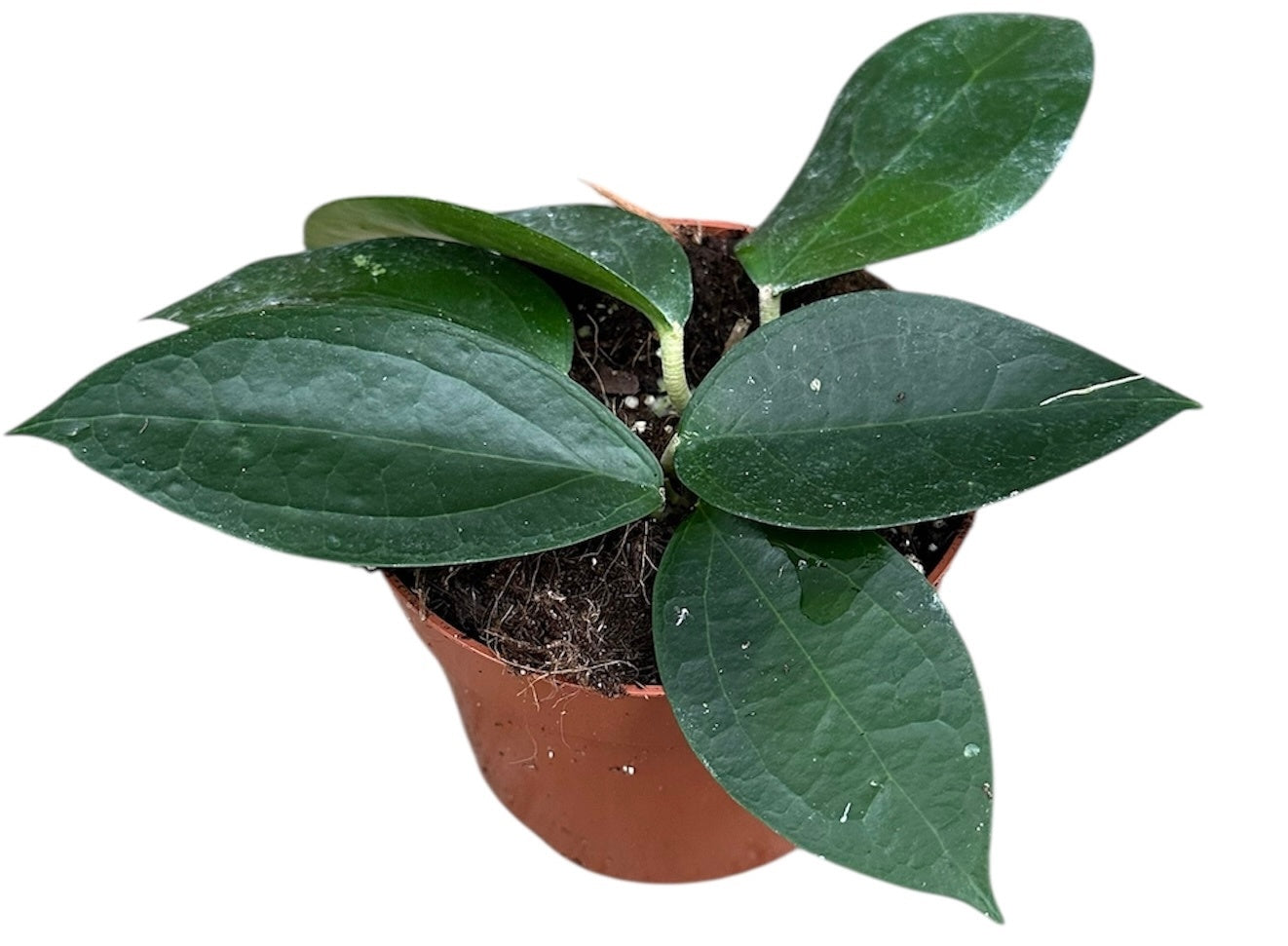
Hoya sp Timor 10.5cm Pot 10cm Height House Plant

Live Delivery Guarantee
At Plants for all Seasons, we stand behind the quality and vitality of every plant we deliver, which is why we proudly offer a Live Delivery Guarantee. This commitment means that we guarantee your plants will arrive at your doorstep in healthy, thriving condition. We understand the importance of receiving your plants in the best possible state, ready to enhance your space from the moment they arrive. With Plants for all Seasons's Live Delivery Guarantee, you can shop with complete peace of mind, knowing that your green investments are protected from our nursery to your doorstep.

30 Days Returns
Due to the sensitive and breakable nature of our products, it's understandable that damages may occur despite our meticulous packaging methods. If you find that your plant or pot has arrived in a less than satisfactory condition, please reach out to us at hello@plantsforallseasons.co.uk within a month of your delivery date. When contacting us, please provide your order reference, alongside a photo clearly showing the damaged item and its packaging, including the delivery label. We are committed to resolving such issues by offering a refund or a replacement, depending on the availability of the item in question.
We are unable to accept returns that are not related to damage because plants are inherently perishable and delicate. It's also worth noting that the plant you receive may slightly differ from the images displayed on our website. This variation is natural, given that each plant is unique and subject to seasonal growth changes.

Safe and Secure Delivery
At Plants for all Seasons, we recognise the critical role our courier partners play in ensuring the safe and secure delivery of your plants. We collaborate exclusively with leading courier services, renowned for their reliability and exceptional handling practices, to ensure your plants arrive in perfect condition. Our partners are carefully selected based on their commitment to timely deliveries and their proven track record in transporting delicate items with the utmost care.

Bespoke Eco Packaging
At Plants for all Seasons, our commitment to the environment extends to every aspect of our operations, especially in how we deliver your plants. We take pride in our bespoke, eco-friendly packaging, meticulously designed for the safe transport of live plants. Our innovative packaging solutions are crafted from sustainable materials, ensuring that your plants are not only secure but also that their journey from our nursery to your home treads lightly on the earth. This thoughtful approach minimises stress on the plants and reduces waste, aligning with our mission to promote a greener, more sustainable future.
Hoya sp. ‘Timor’ is an undescribed, location-named Hoya originating from the island of Timor in Southeast Asia. It is prized by collectors for its robust foliage, strong vining habit and striking blooms once mature. Like many species-form Hoyas, it reflects...
- £19.99
£24.99- £19.99
- Unit price
- per
Delivered within 4-5 working days
These plants are kept in optimal conditions at their specialist growers until ordered. This means they take little longer to be delivered, but quality is assured. Please allow up to 5 working days for these to be delivered.
£6.99 for DHL next day service. Pay one delivery fee for any amount of plants & accessories.
£6.99 for DHL next day service. Pay one delivery fee for any amount of plants & accessories.

 Ask Leafy.AI
Hoya sp. ‘Timor’ is an undescribed, location-named Hoya originating from the island of Timor in Southeast Asia. It is prized by collectors for its robust foliage, strong vining habit and striking blooms once mature. Like many species-form Hoyas, it reflects its natural epiphytic lifestyle: growing on trees in warm, bright forests with excellent airflow and quick-drying roots. When these conditions are replicated indoors, Hoya sp. Timor becomes a resilient, long-lived and highly rewarding plant.
Plant Description
Hoya sp. Timor develops thick, leathery leaves that are noticeably substantial to the touch. Leaves are typically oval to elongated with a softly pointed tip, and a smooth surface that can range from satin to lightly glossy depending on light levels. Foliage colour is usually a rich mid to deep green, sometimes showing subtle vein definition as leaves mature.
The plant has a vigorous climbing and trailing growth habit, producing strong, flexible stems that lengthen steadily once established. It is well suited to being trained around a hoop or trellis, where the leaves can be displayed evenly, though it can also be grown as a trailing plant in a hanging pot.
When mature, Hoya sp. Timor is capable of producing clusters of waxy, star-shaped flowers in rounded umbels. Flower colour can vary by clone but is often reported in soft creams, pale pinks or warm-toned hues, sometimes with a contrasting central corona. The flowers may be lightly fragrant and, like all Hoyas, form on persistent spurs that should never be removed.
Light Requirements
Bright, indirect light is essential for strong growth and future flowering. A position near an east- or west-facing window works very well, offering high light levels without prolonged exposure to harsh sun.
Gentle morning or late-afternoon sun is usually beneficial and can help promote compact growth and bloom production. Too little light results in slower growth, longer internodes and little chance of flowering. Consistency is more important than intensity, so avoid frequent changes in placement.
Watering
Hoya sp. Timor prefers a thorough but restrained watering routine. Allow the top portion of the growing medium to dry out between waterings, then water deeply and let excess moisture drain completely.
During spring and summer, watering will be more regular as the plant actively grows. In autumn and winter, reduce watering significantly, allowing the mix to dry further between waterings. Its thick leaves store moisture, making the plant far more tolerant of slight dryness than constant damp conditions.
Wrinkled or slightly soft leaves usually indicate thirst, while yellowing leaves, soft stems or a sour smell from the compost point to overwatering.
Temperature & Humidity
This species thrives in warm, stable indoor temperatures, ideally between 18–28°C. It should be protected from cold draughts, sudden temperature drops and unheated rooms in winter. Temperatures below 12°C can cause stress, leaf drop or growth stagnation.
Moderate to high humidity supports healthier growth and larger leaves. While Hoya sp. Timor can adapt to average household humidity, it performs best when humidity remains above 50%. Increased humidity should always be paired with good airflow to avoid fungal issues.
Soil & Potting
A very free-draining, airy growing medium is essential. In nature, this Hoya’s roots receive brief moisture followed by rapid drying. A chunky mix containing orchid bark, perlite or pumice, with a small amount of peat-free compost or coco coir, works well.
Choose a pot that closely fits the root ball rather than oversizing. Hoyas generally prefer to be slightly root-bound, and frequent repotting can delay flowering. Terracotta pots are particularly useful, as they help excess moisture evaporate more quickly.
Feeding
Feed lightly during the active growing season. From spring through late summer, apply a balanced houseplant fertiliser at half strength every four to six weeks. This supports steady growth and flower development without encouraging weak or excessive foliage.
Stop feeding entirely during autumn and winter when growth naturally slows.
Pruning & Training
Hoya sp. Timor benefits from early training due to its strong vining habit. Gently guiding stems around a hoop or trellis helps create a well-balanced, compact plant and supports future flowering.
Pruning should be minimal and limited to removing damaged or overly long growth. Never remove flower spurs, as Hoyas rebloom from the same points year after year.
Flowering Care Tips
Flowering typically occurs once the plant is mature and well established. Stability is key. Avoid moving the plant or changing its environment when buds begin to form, as Hoyas are prone to bud drop if stressed.
Bright indirect light, warm temperatures, consistent watering and a slightly root-bound pot all increase the likelihood of flowering. Patience is essential, as species-form Hoyas often prioritise vegetative growth before blooming.
Propagation
Propagation is best done via stem cuttings with at least two nodes. Cuttings can be rooted in water or in a well-aerated propagation mix. Warmth, humidity and bright indirect light encourage rooting, which may take a few weeks due to the plant’s thicker stems.
Overall Care Summary
Hoya sp. ‘Timor’ is an excellent choice for growers who enjoy species-form Hoyas with strong structure and long-term potential. It is not demanding, but it does require excellent drainage, warmth, consistent light and patience. Given time and stable care, it becomes a striking, long-lived plant with beautiful foliage and rewarding blooms.
At Plants for all Seasons, we take pride in our eco-friendly approach to packaging. Our custom-made plant boxes are designed with both the environment and your plants' wellbeing in mind. Here’s what makes our packaging special:
Upright and Fresh: Our innovative design ensures that your plants remain upright and fresh during transit. Specially engineered compartments and supports within the box prevent movement and damage, so your plants arrive in perfect condition.
100% Recyclable: Our plant boxes are fully recyclable, ensuring that after they have served their purpose, they can be responsibly disposed of without harming the planet.
Made from Recycled Materials: Sustainability is at the core of our values. That’s why our packaging is crafted from recycled materials, reducing waste and promoting a circular economy.
Winter Shipping: We offer additional heat packs in winter to keep your plants nice and warm on their travels. Add one heat pack per plant when checking out in winter months.
By choosing our products, you are not only enhancing your home with beautiful plants but also contributing to a greener, more sustainable future
Check out our YouTube video to see exactly how we pack for safe delivery.
Upright and Fresh: Our innovative design ensures that your plants remain upright and fresh during transit. Specially engineered compartments and supports within the box prevent movement and damage, so your plants arrive in perfect condition.
100% Recyclable: Our plant boxes are fully recyclable, ensuring that after they have served their purpose, they can be responsibly disposed of without harming the planet.
Made from Recycled Materials: Sustainability is at the core of our values. That’s why our packaging is crafted from recycled materials, reducing waste and promoting a circular economy.
Winter Shipping: We offer additional heat packs in winter to keep your plants nice and warm on their travels. Add one heat pack per plant when checking out in winter months.
By choosing our products, you are not only enhancing your home with beautiful plants but also contributing to a greener, more sustainable future
Check out our YouTube video to see exactly how we pack for safe delivery.
At Plants for all Seasons, we offer a specialist range of plants that are kept at their growers until ordered, ensuring they remain in their ideal conditions. This unique approach means that these plants receive expert care right up until the moment they are prepared for delivery.
Our dedicated growers are passionate about their craft and maintain the perfect environment for each species in this range, ensuring that every plant is healthy, vibrant, and ready to thrive in your home or garden.
Delivery and Quality Assurance We understand that receiving your plants in excellent condition is crucial. While delivery for this specialist range can take up to 7 days, we assure you that this time is used to carefully select, prepare, and package your plants to maintain their health and vitality during transit.
Our commitment to quality means that every plant in this range is thoroughly inspected before it leaves the grower, ensuring it meets our high standards. You can trust that your new plant will arrive ready to flourish, bringing beauty and life to your space.
Our dedicated growers are passionate about their craft and maintain the perfect environment for each species in this range, ensuring that every plant is healthy, vibrant, and ready to thrive in your home or garden.
Delivery and Quality Assurance We understand that receiving your plants in excellent condition is crucial. While delivery for this specialist range can take up to 7 days, we assure you that this time is used to carefully select, prepare, and package your plants to maintain their health and vitality during transit.
Our commitment to quality means that every plant in this range is thoroughly inspected before it leaves the grower, ensuring it meets our high standards. You can trust that your new plant will arrive ready to flourish, bringing beauty and life to your space.
Tropical Glasshouse Nursery: Our plants are nurtured in our tropical glasshouse nursery located in Lincolnshire, where we maintain an average temperature of 16°C. We do not use cold warehouses, ensuring optimal conditions for plant health.
Plastic Nursery Pots: All our plants are supplied in practical plastic nursery pots. If you prefer a more decorative option, we offer a range of stylish pots available for purchase separately.
Non-Consumable: Please note that our plants are intended for ornamental purposes only unless specifically stated as edible. Ensure you check product descriptions carefully if you are looking for edible varieties.
Variable Heights: The height of our plants can vary by approximately +/- 10%. This natural fluctuation ensures you receive a unique and healthy specimen.
Plant Pot Sizes: Pot sizes may vary by approximately +/- 1cm. To ensure a proper fit, we recommend selecting a decorative pot that is 1-2cm larger than the stated plant pot size. For instance, if you purchase a plant in a 17cm pot, a 18 - 19cm decorative pot would be ideal.
Quarantining: All our houseplants are regularly sprayed with a preventative systemic bug treatment. We do our best to ensure a bug free growing environment however sometimes these can unfortunately be missed, as such we always recommend quarantining plants when they first enter your home and checking them upon arrival for bugs.
Plastic Nursery Pots: All our plants are supplied in practical plastic nursery pots. If you prefer a more decorative option, we offer a range of stylish pots available for purchase separately.
Non-Consumable: Please note that our plants are intended for ornamental purposes only unless specifically stated as edible. Ensure you check product descriptions carefully if you are looking for edible varieties.
Variable Heights: The height of our plants can vary by approximately +/- 10%. This natural fluctuation ensures you receive a unique and healthy specimen.
Plant Pot Sizes: Pot sizes may vary by approximately +/- 1cm. To ensure a proper fit, we recommend selecting a decorative pot that is 1-2cm larger than the stated plant pot size. For instance, if you purchase a plant in a 17cm pot, a 18 - 19cm decorative pot would be ideal.
Quarantining: All our houseplants are regularly sprayed with a preventative systemic bug treatment. We do our best to ensure a bug free growing environment however sometimes these can unfortunately be missed, as such we always recommend quarantining plants when they first enter your home and checking them upon arrival for bugs.
Fresh from the Grower
View all Houseplants Fresh from the Grower50 - 70cm Variegated Monstera - Monstera Variegata Albo Cheese Plant 15cm Pot House Plant
- £30.00
£39.99- £30.00
- Unit price
- per
Alocasia Shattered Glass House Plant 8cm Pot
- £50.00
£70.00- £50.00
- Unit price
- per
Alocasia New Guinea Gold 17cm Pot 45cm Height House Plant
- £50.00
£25.00- £50.00
- Unit price
- per
Alocasia Odora Variegata Batik 17cm Pot 45cm Height House Plant
- £50.00
£25.00- £50.00
- Unit price
- per
Begonia Cream Powder 14cm Pot 35cm Height House Plant
- £40.00
£25.00- £40.00
- Unit price
- per
Alocasia Macrorhiza Variegata 17cm Pot 45cm Height House Plant
- £50.00
£25.00- £50.00
- Unit price
- per
Begonia Morris 14cm Pot 35cm Height House Plant
- £40.00
£25.00- £40.00
- Unit price
- per
Begonia Midnight Sun 14cm Pot 25cm Height House Plant
- £50.00
£25.00- £50.00
- Unit price
- per
Monstera Devil Monster Cheese Plant - 8cm Pot
- £300.00
£500.00- £300.00
- Unit price
- per
Monstera Electro Light Cheese Plant - 6cm Pot
- £100.00
£170.00- £100.00
- Unit price
- per
Anthurium Double - Wendlingeri & Vittarifolium - 6cm Pots
- £30.00
£50.00- £30.00
- Unit price
- per
Begonia Jalau Type 2 8cm Pot 10cm Height House Plant
- £19.99
£24.99- £19.99
- Unit price
- per
Begonia Lamriana Silver 8cm Pot 10cm Height House Plant
- £19.99
£24.99- £19.99
- Unit price
- per
Begonia Malachosticta 8cm Pot 10cm Height House Plant
- £19.99
£24.99- £19.99
- Unit price
- per
Begonia Midnight Sun 8cm Pot 10cm Height House Plant
- £19.99
£24.99- £19.99
- Unit price
- per
New Houseplants in Stock
View all New Houseplants in Stock40 - 50cm Variegated Monstera - Monstera Variegata Albo Cheese Plant 17cm Pot House Plant
- £39.00
£44.99- £39.00
- Unit price
- per
Monstera Thai Constellation Cheese Plant Variegated House Plant
- From £8.99
£19.99- From £8.99
- Unit price
- per
Strelitzia Nicolai Bird of Paradise House Plant
- From £8.99
£19.99- From £8.99
- Unit price
- per
15 - 25cm Epipremnum Njoy Pothos 12cm Pot House Plant
- £8.99
£14.99- £8.99
- Unit price
- per
Monstera Adansonii Monkey Mask House Plant
- From £8.99
£14.99- From £8.99
- Unit price
- per
15 - 25cm Epipremnum Happy Leaf Pothos 12cm Pot House Plant
- £8.99
£14.99- £8.99
- Unit price
- per
15 - 25cm Philodendron Brazil Pothos 12cm Pot House Plant
- £8.99
£14.99- £8.99
- Unit price
- per
Monstera Deliciosa Swiss Cheese Plant House Plant
- From £8.99
£14.99- From £8.99
- Unit price
- per
15 - 25cm Epipremnum Aureum Pothos 12cm Pot House Plant
- £8.99
£14.99- £8.99
- Unit price
- per
15 - 25cm Epipremnum Neon Pothos 12cm Pot House Plant
- £8.99
£14.99- £8.99
- Unit price
- per
Pachira Aquatica Money Tree House Plant
- From £16.99
£24.99- From £16.99
- Unit price
- per
Monstera Deliciosa on Mosspole Swiss Cheese Plant House Plant
- From £30.00
£39.99- From £30.00
- Unit price
- per
25cm Monstera Thai Constellation Cheese Plant Variegated 11cm Pot House Plant
- £11.00
£24.99- £11.00
- Unit price
- per
Croton Mammi Codiaeum House Plant
- From £9.99
£14.99- From £9.99
- Unit price
- per
20 - 25cm Maranta Lemon Lime Prayer Plant 12cm Pot House Plant
- £8.99
£14.99- £8.99
- Unit price
- per
- Choosing a selection results in a full page refresh.